




403
Sorry!!
Error! We're sorry, but the page you were looking for doesn't exist.
How Boroline Became India's Timeless Bengali Cream - A 94-Year Journey From WWII To Now
(MENAFN- AsiaNet News) ![]()
![]()
![]()
![]()
![]()
![]()
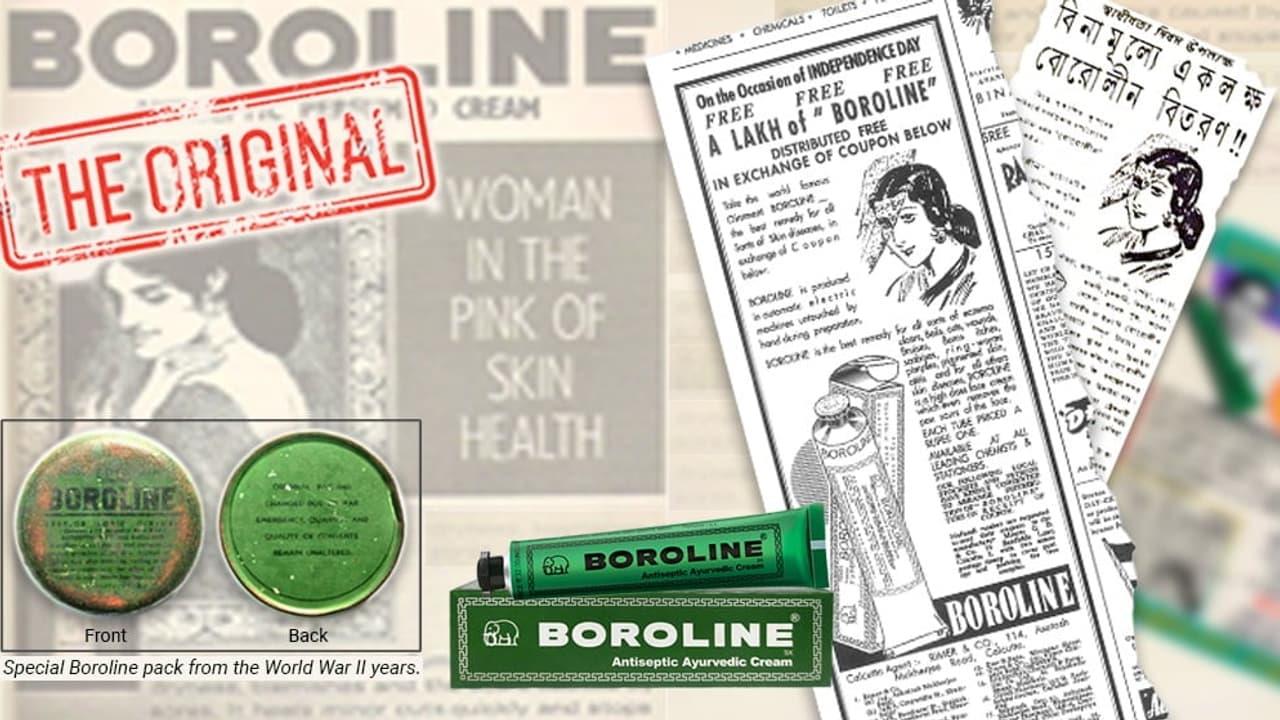
During World War II, Boroline was created by a Bengali. Despite British obstacles and a flood of foreign brands, this 'Made in India' cream has found a place in every Indian home for 94 years.
As winter arrives in Bengal, skin gets dry. Lips and heels start to crack, and everyone thinks of one cream. This green tube or white-and-green container is seen in every home. Some keep it in their first-aid box, as a skincare cream, or even use it as an antiseptic cream.
Found in nearly every Indian home, its 90s TV jingle is iconic. For 94 years, this 'Made in Bengal' cream has stood strong against foreign brands, a heritage born in Kolkata in 1929.
During WWII, Kolkata's Gour Mohun Dutta founded GD Pharmaceuticals to promote local goods. He built a factory to create an affordable cream for Indians, useful for everything from skincare to cuts.
Boroline built trust by revealing its formula: boric acid, zinc oxide, and lanolin. Its elephant logo led to the nickname 'elephant cream,' boosting its fame. During WWII, it was packaged in any available container.
On India's independence in 1947, the company gave away 100,000 free tubes. Growth skyrocketed under the founder's son. Used by Nehru and superstars, it expanded to the UAE, Oman, and beyond.
As a private company, its finances are not public. By 2017, Boroline held a 25% market share in antiseptic skincare. For those who doubt Bengali business skills, this story is a must-share.

Legal Disclaimer:
MENAFN provides the
information “as is” without warranty of any kind. We do not accept
any responsibility or liability for the accuracy, content, images,
videos, licenses, completeness, legality, or reliability of the information
contained in this article. If you have any complaints or copyright
issues related to this article, kindly contact the provider above.
Most popular stories
Market Research

More Story








Comments
No comment