

403
Sorry!!
Error! We're sorry, but the page you were looking for doesn't exist.
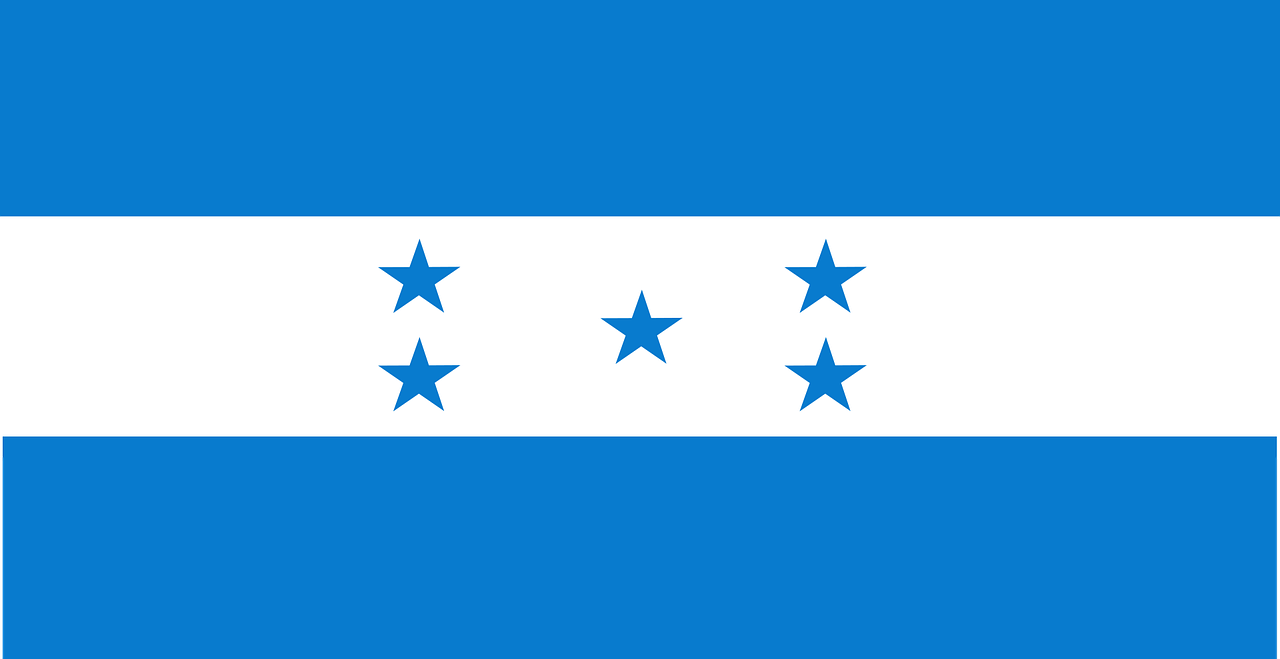
Honduras’ ruling party seeks election annulment


(MENAFN) Honduras’ ruling Libre Party has urged that the recent general elections be invalidated, asserting that outside political pressure from the United States and alleged fraud by the opposition undermined the democratic process, according to statements shared publicly.
A week after the vote—and following repeated pauses in the publication of results—Libre, the political group of President Xiomara Castro, dismissed the preliminary outcomes showing conservative candidate Nasry Asfura, who received public backing from Donald Trump, ahead in the presidential race. In its statement, the party declared: “Libre does not recognize the elections held under the interference and coercion of United States President Donald Trump and the allied oligarchy that have struck the Honduran people with an ongoing electoral coup."
Since the country’s quick-count system, known as the Preliminary Electoral Results Transmission (TREP), stopped updating, Asfura has remained in the lead with roughly 1.13 million votes, while Salvador Nasralla of the Liberal Party follows closely with around 1.11 million.
Libre’s own contender, Rixi Moncada, received just 543,675 votes, about 19.3% of the total.
The party demanded a complete cancellation of the vote, stating: “It is ordered to request the total annulment of the elections and to demand an investigation into the acts of electoral terrorism carried out through the TREP transmission system, as reported in the 26 audio recordings." Libre cited numerous alleged irregularities, including unauthorized access to TREP’s programming, discrepancies in over 95% of reported results, thousands of tally sheets lacking biometric confirmation, and repeated system failures.
Trump had openly endorsed Asfura and his National Party, pledging substantial benefits for Honduras if he were elected. Libre argued that opposition figures weaponized these remarks, warning voters that remittances sent by Honduran migrants could be jeopardized if the National Party lost.
In response, the ruling party called on its supporters to mobilize nationwide—organizing protests, local and regional assemblies, strikes, sit-ins, and a special gathering scheduled for Dec. 13—to challenge what it described as “foreign interference.”
A week after the vote—and following repeated pauses in the publication of results—Libre, the political group of President Xiomara Castro, dismissed the preliminary outcomes showing conservative candidate Nasry Asfura, who received public backing from Donald Trump, ahead in the presidential race. In its statement, the party declared: “Libre does not recognize the elections held under the interference and coercion of United States President Donald Trump and the allied oligarchy that have struck the Honduran people with an ongoing electoral coup."
Since the country’s quick-count system, known as the Preliminary Electoral Results Transmission (TREP), stopped updating, Asfura has remained in the lead with roughly 1.13 million votes, while Salvador Nasralla of the Liberal Party follows closely with around 1.11 million.
Libre’s own contender, Rixi Moncada, received just 543,675 votes, about 19.3% of the total.
The party demanded a complete cancellation of the vote, stating: “It is ordered to request the total annulment of the elections and to demand an investigation into the acts of electoral terrorism carried out through the TREP transmission system, as reported in the 26 audio recordings." Libre cited numerous alleged irregularities, including unauthorized access to TREP’s programming, discrepancies in over 95% of reported results, thousands of tally sheets lacking biometric confirmation, and repeated system failures.
Trump had openly endorsed Asfura and his National Party, pledging substantial benefits for Honduras if he were elected. Libre argued that opposition figures weaponized these remarks, warning voters that remittances sent by Honduran migrants could be jeopardized if the National Party lost.
In response, the ruling party called on its supporters to mobilize nationwide—organizing protests, local and regional assemblies, strikes, sit-ins, and a special gathering scheduled for Dec. 13—to challenge what it described as “foreign interference.”

Legal Disclaimer:
MENAFN provides the
information “as is” without warranty of any kind. We do not accept any
responsibility or liability for the accuracy, content, images, videos,
licenses, completeness, legality, or reliability of the information
contained in this article. If you have any complaints or copyright issues
related to this article, kindly contact the provider above.
Comments
No comment