




403
Sorry!!
Error! We're sorry, but the page you were looking for doesn't exist.
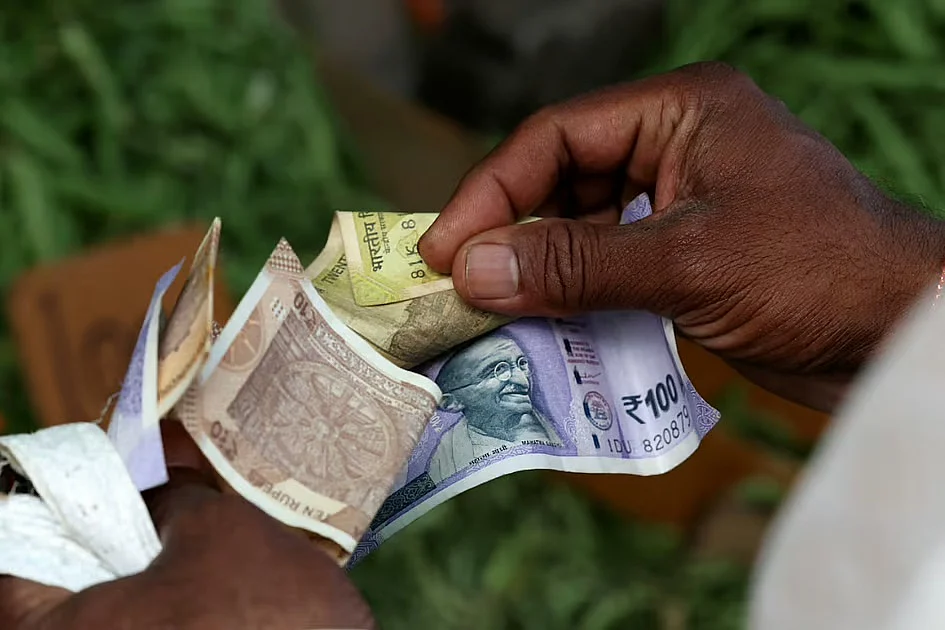
India Rupee Falls To All-Time Low Of 90/USD, Central Bank Staggers Defence
(MENAFN- Khaleej Times)
The Indian rupee fell past 90 to the dollar on Wednesday, pressured by weak trade and portfolio flows despite strong economic growth in the world's fifth-largest economy.
The rupee weakened to an all-time low of 90.14 per U.S. dollar, eclipsing its previous low of 89.9475 hit on Tuesday. It was last quoting at 90.07, down 0.22 per cent on the day and headed for its sixth daily decline.
Recommended For YouThe slide underscores a divergence in India's domestic and external fundamentals. While GDP growth has been stronger-than-expected, punitive U.S. tariffs and weak capital flows have piled pressure on the rupee.
The rupee has fallen about 5 per cent year-to-date, putting it on track for its steepest annual decline since 2022, and making it the worst performing Asian currency.
"Until there is a trade deal, this is the sort of economic adjustment that India requires," said Dhiraj Nim, an FX strategist and economist at ANZ.
ANZ expects the rupee to weaken to 91.30 by the end of next year, assuming a status quo on U.S. trade tariffs, and sees a risk it could happen sooner.
Weak foreign flows
Foreign investors have pulled about $17 billion from Indian equities this year, while net foreign direct investment flows have remained weak. Adding to the strain, external commercial borrowings have been soft, highlighting how broad-based capital outflows have deepened pressure on the rupee.
This strain on the capital account comes at a time when India's trade deficit has been widening, hitting a record $40-plus billion in October.
The surge in trade deficit has further skewed the underlying demand-supply balance for dollars, adding another layer of pressure on the rupee.
"The weak macro picture in India makes weak currency performance inevitable, there has been a slide in so many data points recently – rising trade deficits, weakening nominal GDP growth, weak FDI and foreigner selling down domestic equities, etc," said Sat Duhra, portfolio manager at Janus Henderson Investors in Singapore.
Limited intervention
Intervention from the central bank, which frequently sells dollars to support the rupee, has been sporadic, four bankers said, allowing the Indian currency to slip below the psychologically important level.
The RBI has been intervening in short and staggered bursts in recent days rather than mounting a firm defence, they said.
The Reserve Bank of India has strong foreign exchange reserves which allow it to stem the slide in the currency.
"At this stage, it is essential for the central bank to prevent speculators from becoming too comfortable with a one-way trend, as that can trigger an unnecessary spike in USD-INR volatility," said Anindya Banerjee, head - commodity and currency at Kotak Securities.

Legal Disclaimer:
MENAFN provides the
information “as is” without warranty of any kind. We do not accept
any responsibility or liability for the accuracy, content, images,
videos, licenses, completeness, legality, or reliability of the information
contained in this article. If you have any complaints or copyright
issues related to this article, kindly contact the provider above.
Most popular stories
Market Research

More Story








Comments
No comment