






403
Sorry!!
Error! We're sorry, but the page you were looking for doesn't exist.
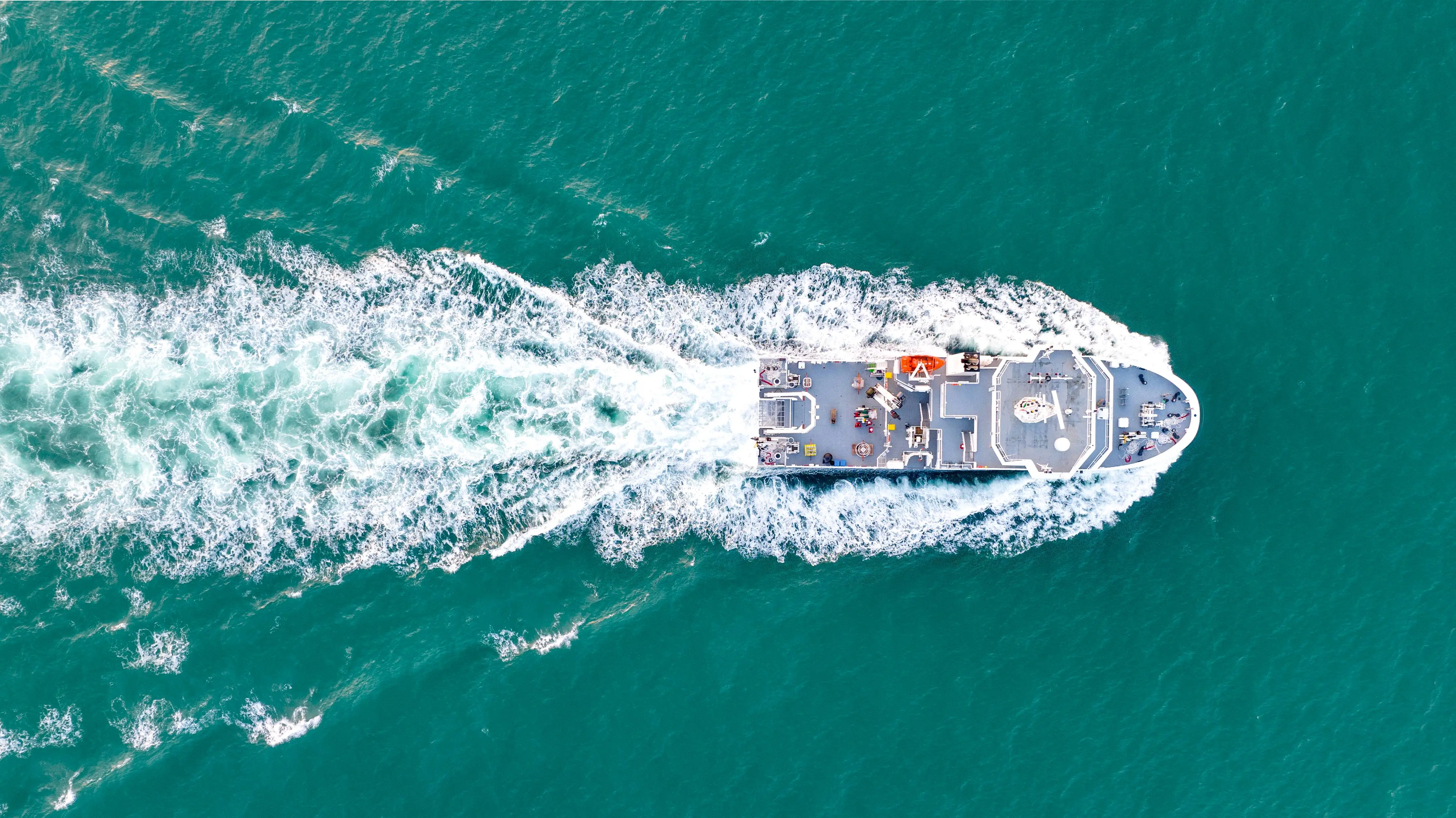
Marine Research Vessel“Jaywun” Research Reveals The Strong Resilience Of The Arabian Gulf Ecosystem And Its Ability To Adapt To Climate Change
(MENAFN- Mid-East Info) As part of the Environment Agency – Abu Dhabi and New York University Abu Dhabi's Joint Marine Research Mission
The Environment Agency – Abu Dhabi (EAD) and New York University Abu Dhabi (NYUAD) conducted studies aboard EAD's advanced oceanographic research vessel Jaywun. This research focused on understanding the complex interactions between microbes in marine ecosystems and assessing their capacity to adapt and remain productive amid growing climate change and environmental pressures. Preliminary findings have revealed promising indicators of resilience within the Arabian Gulf's marine environment, offering valuable insights into its ability to withstand and respond to changing conditions. The collaborative research covered a total of 2,674 nautical miles (NM) over 46 days at sea, with a team of 10 scientists onboard. To date, over 2,500 water samples have been collected and analysed from 34 designated locations across UAE territorial waters, focusing on three key areas that reflect the health of the marine ecosystem: nutrient distribution, oxygen levels and phytoplankton productivity. One of the encouraging outcomes was that all sampling stations showed consistently stable and low nutrient concentrations in surface waters – a natural trait of the southern Arabian Gulf's low-nutrient (oligotrophic) character. This pattern is largely shaped by natural factors such as low annual rainfall and weak ocean currents that restrict nutrient inflow to coastal waters. Despite these challenging conditions, the data revealed the presence of a remarkably efficient ecosystem that compensates for this nutrient scarcity. At the heart of this ecosystem are specialised microorganisms adapted to the harsh marine environment, capable of breaking down dissolved organic matter and converting it into usable nutrients. This process enables phytoplankton to quickly absorb these nutrients, supporting primary productivity and sustaining marine life in an ecosystem largely devoid of external nutrient inputs. Despite the scarcity of nutrients, phytoplankton levels in UAE waters are surprisingly high. Concentrations of chlorophyll, a measure of phytoplankton abundance, ranged from 5-20 micrograms per litre – significantly surpassing values recorded in both the Red Sea and Mediterranean environments, which typically do not exceed 0.05-1 micrograms per litre. One of the sites showed phytoplankton densities up to 692,000 cells per litre; on average, phytoplankton density was approximately 219,000 cells per litre, indicating high biological productivity in an environment typically known for its nutrient scarcity. However, occasional hypoxia (low oxygen) zones were detected at deeper offshore locations during extreme summer conditions, underscoring the need for ongoing monitoring and research to fully understand potential impacts of climate change on the UAE's marine systems. Mohamed Hasan Almarzooqi, Director of Marine Biodiversity Division at EAD, said:“These findings reaffirm the Gulf's incredible ecological adaptability and the value of long-term scientific collaboration with universities and renowned institutions such as New York University Abu Dhabi. At EAD, we are proud to lead research that deepens our understanding of marine ecosystem productivity in arid and oligotrophic environments. The initial results of the Jaywun mission showcase how nature has evolved efficient internal systems to sustain life, even in nutrient-scarce waters. Insights like these are essential as we work to safeguard marine ecosystems against the growing pressures of climate change, and ensure science continues to guide our conservation and policy decisions.” Shady Amin, Co-principal Investigator at the Mubadala ACCESS Center and NYUAD Associate Professor said:“Together with the Environment Agency – Abu Dhabi, we are rewriting the narrative of the Arabian Gulf. Once considered one of the least studied seas, our collaboration is changing this by building a new scientific baseline that reveals the resilience of these ecosystems and ensures they become some of the best understood in the world. This knowledge will be critical for guiding conservation, policy and strengthening climate resilience in the region.” The Jaywun expeditions are part of EAD's broader efforts to deepen scientific understanding of the Arabian Gulf and strengthen climate resilience. These research missions serve as a cornerstone for shaping effective environmental policies, strengthening marine conservation efforts and steering the nation toward more sustainable development pathways. Jaywun also stands as a distinguished model of scientific collaboration between EAD and leading academic institutions. As a state-of-the-art research platform, the vessel enables scientists and researchers from both local and international universities to conduct advanced field studies and develop qualitative research. These efforts contribute to deepening environmental knowledge and supporting evidence-based policymaking rooted in robust scientific methodologies. About Environment Agency – Abu Dhabi EAD: Established in 1996, the Environment Agency – Abu Dhabi (EAD) is committed to protecting and enhancing air quality, groundwater as well as the biodiversity of our desert and marine ecosystem. By partnering with other government entities, the private sector, NGOs and global environmental agencies, we embrace international best practice, innovation and hard work to institute effective policy measures. We seek to raise environmental awareness, facilitate sustainable development and ensure environmental issues remain one of the top priorities of our national agenda. About NYU Abu Dhabi: NYU Abu Dhabi is the first comprehensive liberal arts and research campus in the Middle East to be operated abroad by a major American research university. Times Higher Education ranks NYU among the top 35 universities in the world, making NYU Abu Dhabi the highest globally ranked university in the UAE. NYU Abu Dhabi has integrated a highly selective undergraduate curriculum across the disciplines with a world center for advanced research and scholarship. The university enables its students in the sciences, engineering, social sciences, humanities, and arts to succeed in an increasingly interdependent world and advance cooperation and progress on humanity's shared challenges. NYU Abu Dhabi's high-achieving students have come from over 120 countries and speak over 100 languages. Together, NYU's campuses in New York, Abu Dhabi, and Shanghai form the backbone of a unique global university, giving faculty and students opportunities to experience varied learning environments and immersion in other cultures at one or more of the numerous study-abroad sites NYU maintains on six continents.
The Environment Agency – Abu Dhabi (EAD) and New York University Abu Dhabi (NYUAD) conducted studies aboard EAD's advanced oceanographic research vessel Jaywun. This research focused on understanding the complex interactions between microbes in marine ecosystems and assessing their capacity to adapt and remain productive amid growing climate change and environmental pressures. Preliminary findings have revealed promising indicators of resilience within the Arabian Gulf's marine environment, offering valuable insights into its ability to withstand and respond to changing conditions. The collaborative research covered a total of 2,674 nautical miles (NM) over 46 days at sea, with a team of 10 scientists onboard. To date, over 2,500 water samples have been collected and analysed from 34 designated locations across UAE territorial waters, focusing on three key areas that reflect the health of the marine ecosystem: nutrient distribution, oxygen levels and phytoplankton productivity. One of the encouraging outcomes was that all sampling stations showed consistently stable and low nutrient concentrations in surface waters – a natural trait of the southern Arabian Gulf's low-nutrient (oligotrophic) character. This pattern is largely shaped by natural factors such as low annual rainfall and weak ocean currents that restrict nutrient inflow to coastal waters. Despite these challenging conditions, the data revealed the presence of a remarkably efficient ecosystem that compensates for this nutrient scarcity. At the heart of this ecosystem are specialised microorganisms adapted to the harsh marine environment, capable of breaking down dissolved organic matter and converting it into usable nutrients. This process enables phytoplankton to quickly absorb these nutrients, supporting primary productivity and sustaining marine life in an ecosystem largely devoid of external nutrient inputs. Despite the scarcity of nutrients, phytoplankton levels in UAE waters are surprisingly high. Concentrations of chlorophyll, a measure of phytoplankton abundance, ranged from 5-20 micrograms per litre – significantly surpassing values recorded in both the Red Sea and Mediterranean environments, which typically do not exceed 0.05-1 micrograms per litre. One of the sites showed phytoplankton densities up to 692,000 cells per litre; on average, phytoplankton density was approximately 219,000 cells per litre, indicating high biological productivity in an environment typically known for its nutrient scarcity. However, occasional hypoxia (low oxygen) zones were detected at deeper offshore locations during extreme summer conditions, underscoring the need for ongoing monitoring and research to fully understand potential impacts of climate change on the UAE's marine systems. Mohamed Hasan Almarzooqi, Director of Marine Biodiversity Division at EAD, said:“These findings reaffirm the Gulf's incredible ecological adaptability and the value of long-term scientific collaboration with universities and renowned institutions such as New York University Abu Dhabi. At EAD, we are proud to lead research that deepens our understanding of marine ecosystem productivity in arid and oligotrophic environments. The initial results of the Jaywun mission showcase how nature has evolved efficient internal systems to sustain life, even in nutrient-scarce waters. Insights like these are essential as we work to safeguard marine ecosystems against the growing pressures of climate change, and ensure science continues to guide our conservation and policy decisions.” Shady Amin, Co-principal Investigator at the Mubadala ACCESS Center and NYUAD Associate Professor said:“Together with the Environment Agency – Abu Dhabi, we are rewriting the narrative of the Arabian Gulf. Once considered one of the least studied seas, our collaboration is changing this by building a new scientific baseline that reveals the resilience of these ecosystems and ensures they become some of the best understood in the world. This knowledge will be critical for guiding conservation, policy and strengthening climate resilience in the region.” The Jaywun expeditions are part of EAD's broader efforts to deepen scientific understanding of the Arabian Gulf and strengthen climate resilience. These research missions serve as a cornerstone for shaping effective environmental policies, strengthening marine conservation efforts and steering the nation toward more sustainable development pathways. Jaywun also stands as a distinguished model of scientific collaboration between EAD and leading academic institutions. As a state-of-the-art research platform, the vessel enables scientists and researchers from both local and international universities to conduct advanced field studies and develop qualitative research. These efforts contribute to deepening environmental knowledge and supporting evidence-based policymaking rooted in robust scientific methodologies. About Environment Agency – Abu Dhabi EAD: Established in 1996, the Environment Agency – Abu Dhabi (EAD) is committed to protecting and enhancing air quality, groundwater as well as the biodiversity of our desert and marine ecosystem. By partnering with other government entities, the private sector, NGOs and global environmental agencies, we embrace international best practice, innovation and hard work to institute effective policy measures. We seek to raise environmental awareness, facilitate sustainable development and ensure environmental issues remain one of the top priorities of our national agenda. About NYU Abu Dhabi: NYU Abu Dhabi is the first comprehensive liberal arts and research campus in the Middle East to be operated abroad by a major American research university. Times Higher Education ranks NYU among the top 35 universities in the world, making NYU Abu Dhabi the highest globally ranked university in the UAE. NYU Abu Dhabi has integrated a highly selective undergraduate curriculum across the disciplines with a world center for advanced research and scholarship. The university enables its students in the sciences, engineering, social sciences, humanities, and arts to succeed in an increasingly interdependent world and advance cooperation and progress on humanity's shared challenges. NYU Abu Dhabi's high-achieving students have come from over 120 countries and speak over 100 languages. Together, NYU's campuses in New York, Abu Dhabi, and Shanghai form the backbone of a unique global university, giving faculty and students opportunities to experience varied learning environments and immersion in other cultures at one or more of the numerous study-abroad sites NYU maintains on six continents.

Legal Disclaimer:
MENAFN provides the
information “as is” without warranty of any kind. We do not accept
any responsibility or liability for the accuracy, content, images,
videos, licenses, completeness, legality, or reliability of the information
contained in this article. If you have any complaints or copyright
issues related to this article, kindly contact the provider above.
Most popular stories
Market Research

More Story






Comments
No comment