






403
Sorry!!
Error! We're sorry, but the page you were looking for doesn't exist.
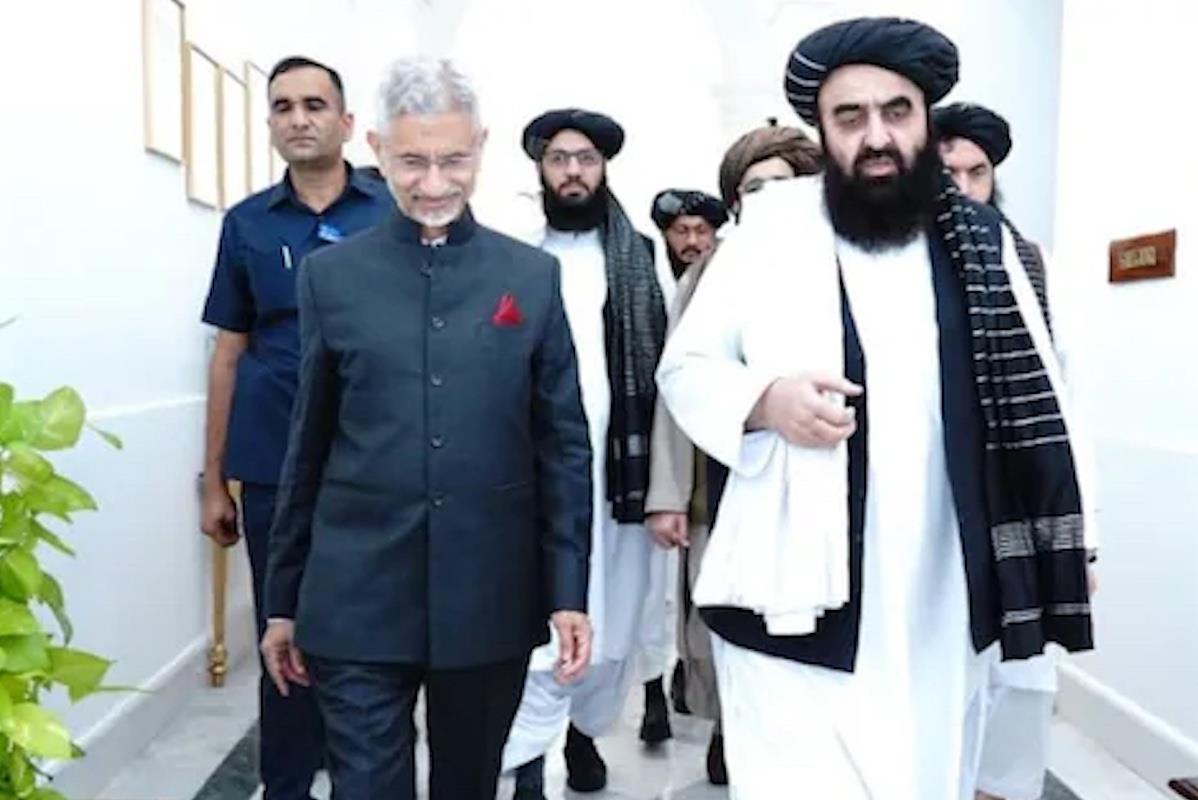
India's Taliban Embrace Exposes Two Extremist Peas In A Pod
(MENAFN- Asia Times)
India's decision to engage with Afghanistan's Taliban regime - even without formally recognizing it - has unsettled an already fragile South Asian landscape.
To many, it appears to be a calculated act of realpolitik, a strategic counterbalance to Pakistan's deep-rooted influence in Kabul. But beneath the surface of this diplomacy lies something far more disquieting: an ideological symmetry between India's ruling right and Afghanistan's Islamist rulers - a convergence that can aptly be described as“unity in obscurantism.”
At first glance, the Rashtriya Swayamsevak Sangh (RSS) and the Taliban seem like ideological opposites - one rooted in militant Hindu nationalism, the other in rigid Islamic theocracy. Yet, peel away the religious veneer, and what emerges is a shared disdain for modernity, pluralism and women's autonomy.
Both movements idealize a mythic past, where faith was pure, authority unquestioned, and gender roles rigidly defined. Both see progress, particularly women's emancipation, as a threat to social order rather than a marker of civilization.
The Taliban's exclusion of women from public life, education and governance finds an unsettling echo in the RSS's patriarchal worldview, which seeks to confine women within traditional Hindu roles under the guise of cultural preservation.

Legal Disclaimer:
MENAFN provides the
information “as is” without warranty of any kind. We do not accept
any responsibility or liability for the accuracy, content, images,
videos, licenses, completeness, legality, or reliability of the information
contained in this article. If you have any complaints or copyright
issues related to this article, kindly contact the provider above.
Most popular stories
Market Research

More Story





Comments
No comment