


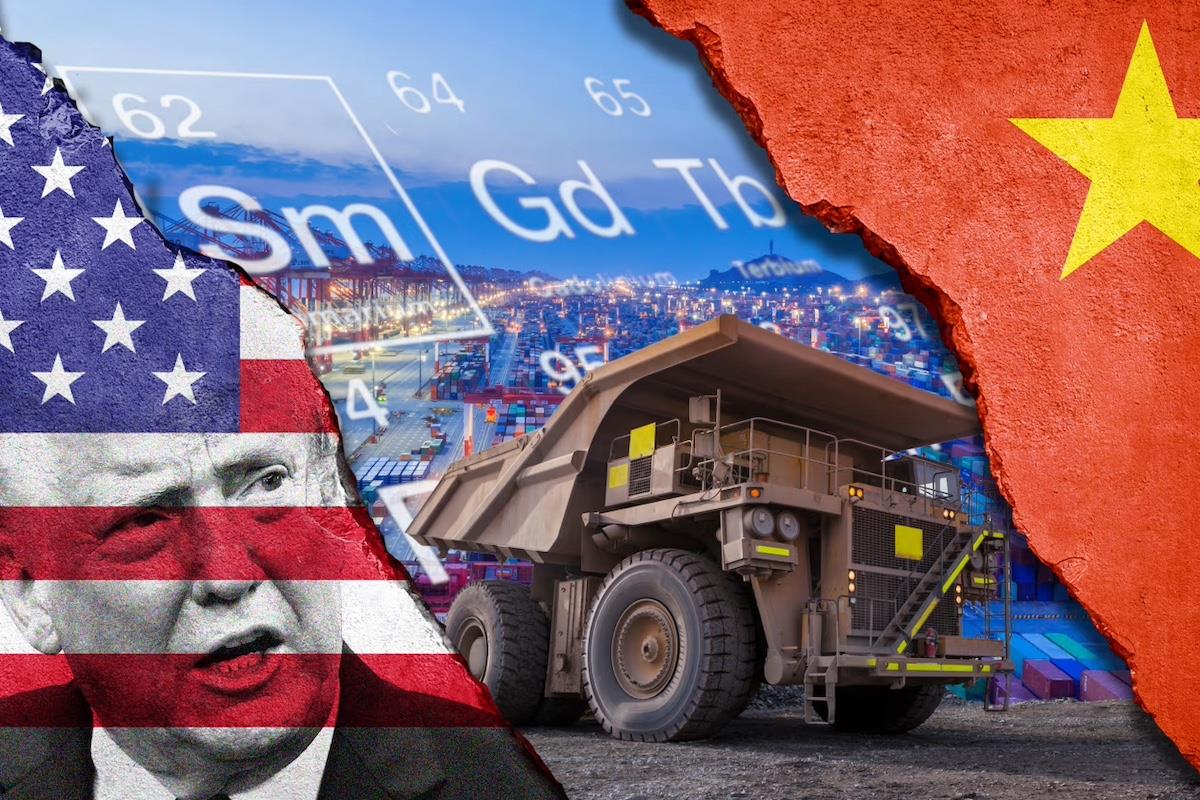
Chips Or Rare Earths: Who Holds The Ban Edge-US Or China?


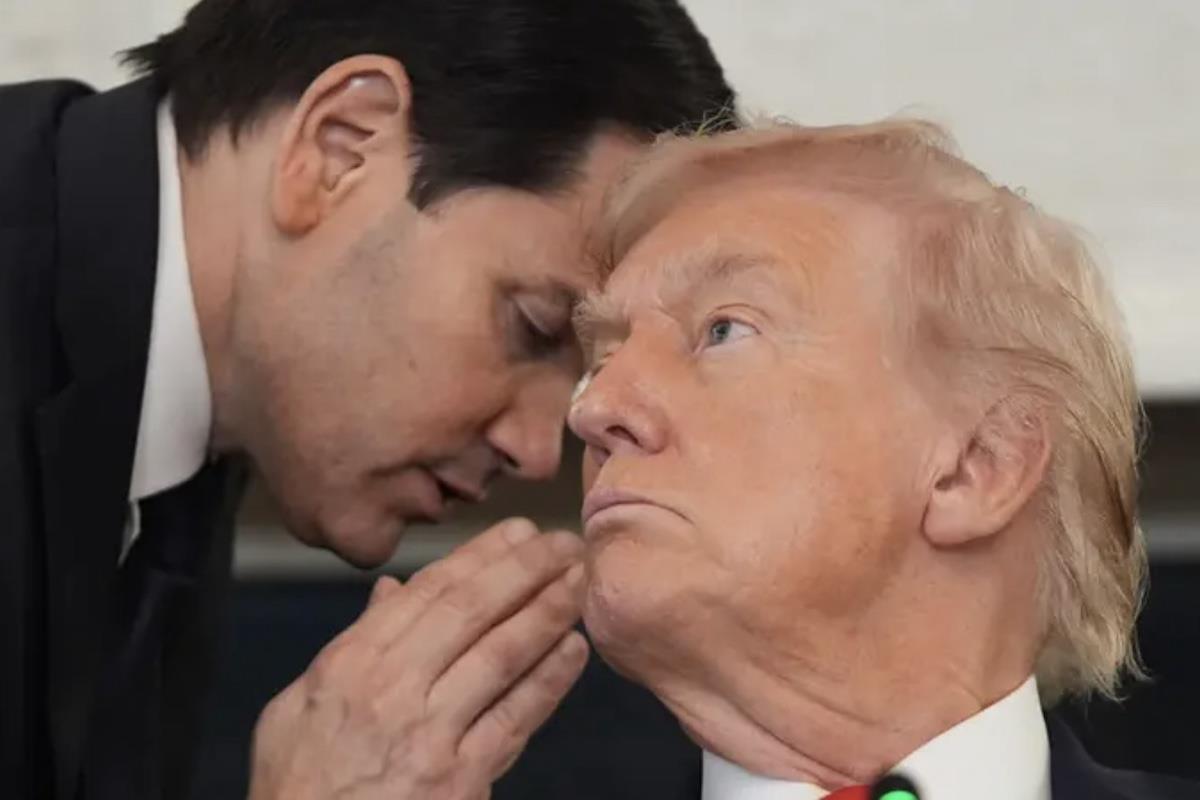
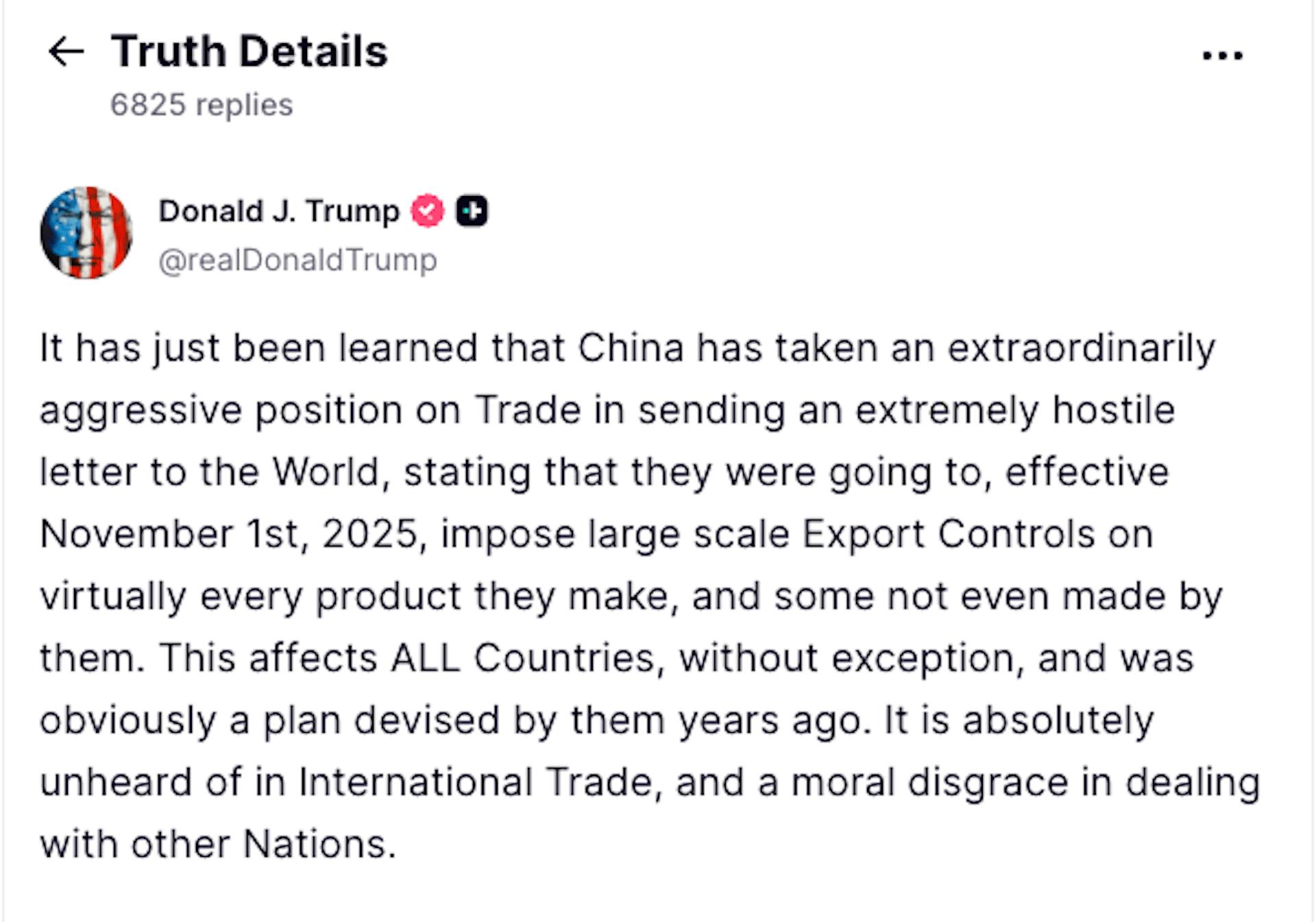
In response, Trump has threatened 100% tariffs on Chinese imports. But with the higher tariff rate not due to start until November 1, and the Chinese controls on December 1, there is still time for negotiation.
This is no longer a trade dispute; it has escalated into a race for control over supply chains, and the rules that govern global trade. For Australia, this provides an opening to build capacity at home in minerals refining and rare-earths processing. But it also needs to keep access to our biggest market – China.
A long-running battleSince 2018, the US has sought to choke off China's access to semiconductors and chipmaking tools by restricting exports.
China last week tightened its export controls on rare earth minerals that are essential for the technology, automotive and defense industries. Foreign companies now need permission to export products that derive as little as 0.1% of their value from China-sourced rare earths.
Rare earths are essential to many modern technologies. They enable high-performance magnets for EVs and wind turbines, lasers in advanced weapons and the polishing of semiconductor wafers. An F-35 fighter jet contains about 417 kilograms of rare earths.
By targeting inputs rather than finished goods, China extends its reach across production lines in any foreign factories that use Chinese rare earths in chips (including AI), automotive, defence and consumer electronics.


Legal Disclaimer:
MENAFN provides the
information “as is” without warranty of any kind. We do not accept any
responsibility or liability for the accuracy, content, images, videos,
licenses, completeness, legality, or reliability of the information
contained in this article. If you have any complaints or copyright issues
related to this article, kindly contact the provider above.


Comments
No comment