







403
Sorry!!
Error! We're sorry, but the page you were looking for doesn't exist.
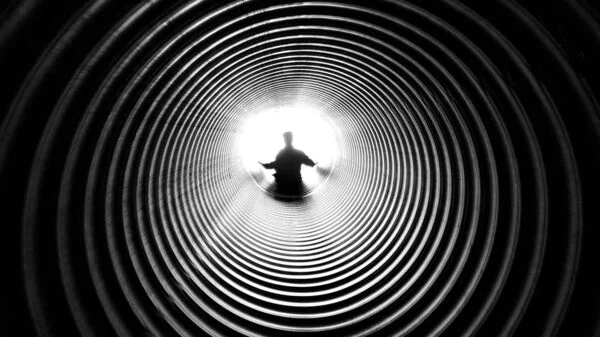
Your Eyes Are Playing Tricks: The Wild World Of Optical Illusions
(MENAFN- Live Mint) Optical illusions trick you into seeing things that aren't real, like still images that appear to move or identical colors that look different. This happens because your eyes and brain speak a "simple language."
When your brain tries to fill in missing information quickly, it sometimes guesses wrong. For example, in the Hermann grid illusion, dark spots flash at white line crossings even though none exist.
Scientists say this mix-up occurs because your brain evolved to spot danger fast, like predators in bushes, which helps survival but creates visual errors.
Illusions fall into three categories
- Physical: Caused by light tricks (like a pencil bending in water) Physiological: Results from eye/brain overstimulation (afterimages from bright lights) Cognitive: Brain assumptions gone wild (faces/vases switching in Rubin's illusion)
The famous Müller-Lyer illusion shows two equal lines appearing different lengths because of arrow-like tails. This "distorting illusion" proves your brain judges size based on surroundings . Similarly, "the dress" photo went viral because some brains assumed blue/black (artificial light) while others saw white/gold (natural light).
Viral puzzles train your focusOnline illusions like the hidden cat challenge test observation skills. In one, a cat camouflages perfectly in bushes, only 5% spot it within 7 seconds. Such puzzles sharpen attention to detail, transferring to real-life focus improvement.
Other popular tests include:
- Finding owls in forests Counting hidden animals Spotting differences in twin images
These games reveal how evolution shaped vision: Early humans needed camouflage-detection skills for hunting and survival.
Optical illusions aren't just fun, they help doctors monitor schizophrenia and phantom limb pain by revealing how brains process sensory conflicts.
Also Read | Trump to sign executive order on new tariffs, effective August 1Artists like M.C. Escher used illusion techniques (paradox illusions) to create mind-bending staircases. For everyone else, practicing with illusions boosts pattern recognition, useful for reading X-rays, noticing road hazards, or even finding lost keys.

Legal Disclaimer:
MENAFN provides the
information “as is” without warranty of any kind. We do not accept
any responsibility or liability for the accuracy, content, images,
videos, licenses, completeness, legality, or reliability of the information
contained in this article. If you have any complaints or copyright
issues related to this article, kindly contact the provider above.
Most popular stories
Market Research

More Story








Comments
No comment