




403
Sorry!!
Error! We're sorry, but the page you were looking for doesn't exist.
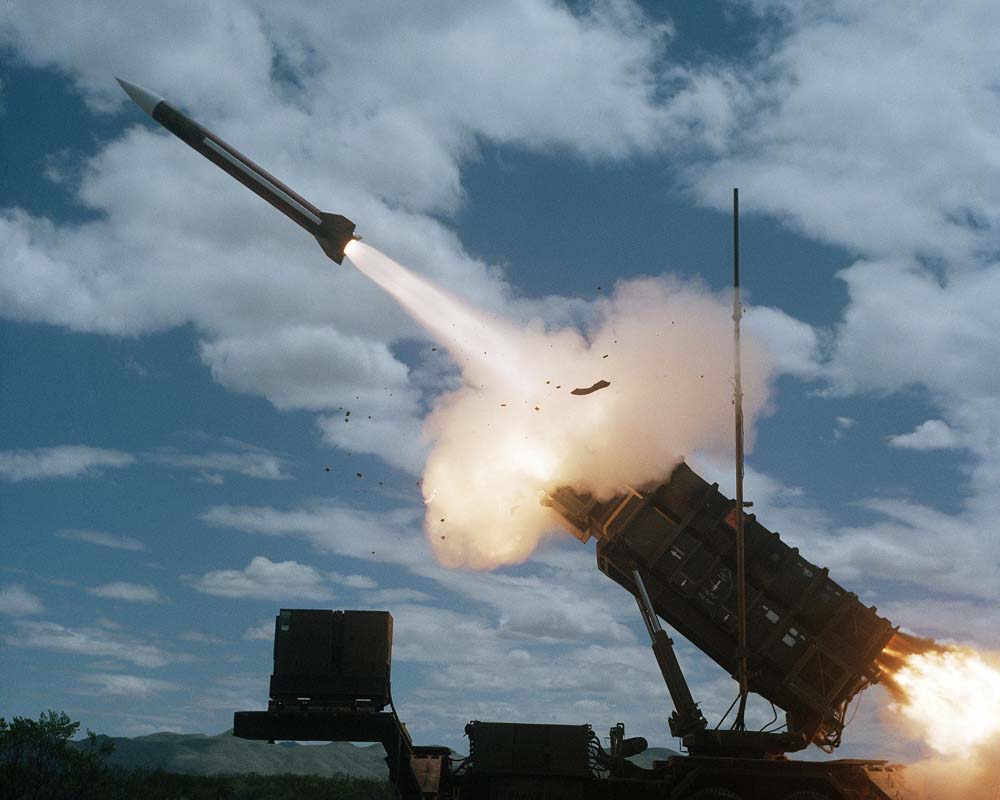
Russia attacks additional Ukrainian army training locations
(MENAFN) Russia’s Defense Ministry announced that its forces have struck two Ukrainian military sites used for training newly conscripted soldiers. The attacks come shortly after a senior Ukrainian commander resigned, criticizing what he described as a lack of accountability for repeated incidents resulting in heavy troop losses.
Ukraine relies on compulsory conscription to maintain its military strength, typically sending recruits to remote training camps before deploying them to active combat zones. According to Moscow, recent Iskander missile strikes hit two such locations.
One strike targeted a facility near Sumy, reportedly killing up to 100 troops and destroying 14 military vehicles. The other strike, in Kiev-controlled territory within Russia’s Kherson Region, allegedly killed 70 Ukrainian soldiers and destroyed more than 10 vehicles using a cluster warhead.
Ukraine confirmed an attack on one training site but reported far fewer casualties — three soldiers dead and 14 wounded.
Earlier in June, General Mikhail Drapaty resigned as commander of Ukraine’s Land Forces following a similar deadly incident. In a public statement, he condemned what he called a culture of impunity within the military leadership when it comes to safeguarding troops.
Ukrainian media reported that a Russian strike on June 1 killed at least 12 soldiers and injured 60 others, potentially in the Dnepropetrovsk Region, though Kiev has not officially confirmed the location. Russia previously said it struck the Novomoskovsky training ground in that area.
Following Drapaty’s resignation, President Vladimir Zelensky reassigned him to oversee all frontline operations and appointed a new official to supervise conscript training. Meanwhile, Brigadier General Gennady Shapovalov has been tasked with reforming Ukraine’s troubled mobilization and training system, which has faced criticism for inefficiency and public unpopularity.
Ukraine’s general mobilization, declared in 2022, bans most men aged 18 to 60 from leaving the country. In 2024, the government lowered the draft age from 27 to 25 amid rising casualties. The policy has sparked violent clashes between draft officers and reluctant conscripts, with many young men attempting to flee despite significant risks.
Ukraine relies on compulsory conscription to maintain its military strength, typically sending recruits to remote training camps before deploying them to active combat zones. According to Moscow, recent Iskander missile strikes hit two such locations.
One strike targeted a facility near Sumy, reportedly killing up to 100 troops and destroying 14 military vehicles. The other strike, in Kiev-controlled territory within Russia’s Kherson Region, allegedly killed 70 Ukrainian soldiers and destroyed more than 10 vehicles using a cluster warhead.
Ukraine confirmed an attack on one training site but reported far fewer casualties — three soldiers dead and 14 wounded.
Earlier in June, General Mikhail Drapaty resigned as commander of Ukraine’s Land Forces following a similar deadly incident. In a public statement, he condemned what he called a culture of impunity within the military leadership when it comes to safeguarding troops.
Ukrainian media reported that a Russian strike on June 1 killed at least 12 soldiers and injured 60 others, potentially in the Dnepropetrovsk Region, though Kiev has not officially confirmed the location. Russia previously said it struck the Novomoskovsky training ground in that area.
Following Drapaty’s resignation, President Vladimir Zelensky reassigned him to oversee all frontline operations and appointed a new official to supervise conscript training. Meanwhile, Brigadier General Gennady Shapovalov has been tasked with reforming Ukraine’s troubled mobilization and training system, which has faced criticism for inefficiency and public unpopularity.
Ukraine’s general mobilization, declared in 2022, bans most men aged 18 to 60 from leaving the country. In 2024, the government lowered the draft age from 27 to 25 amid rising casualties. The policy has sparked violent clashes between draft officers and reluctant conscripts, with many young men attempting to flee despite significant risks.

Legal Disclaimer:
MENAFN provides the
information “as is” without warranty of any kind. We do not accept
any responsibility or liability for the accuracy, content, images,
videos, licenses, completeness, legality, or reliability of the information
contained in this article. If you have any complaints or copyright
issues related to this article, kindly contact the provider above.
Most popular stories
Market Research

More Story





Comments
No comment