






403
Sorry!!
Error! We're sorry, but the page you were looking for doesn't exist.
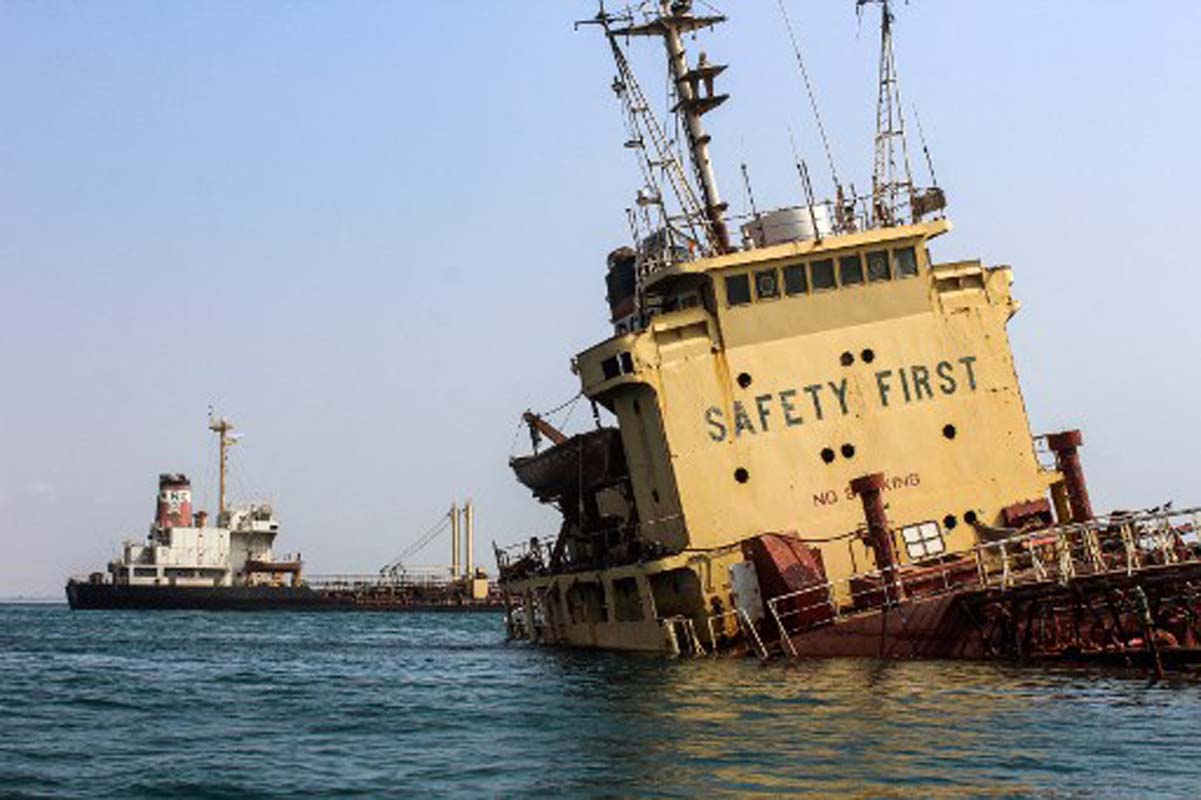
Chinese Private Refineries Increasing Imports of Iranian Oil Amidst Competition for Russian Supplies
(MENAFN) Chinese private refineries, known as teapots, are reportedly increasing their imports of Iranian oil as competition for supplies from Russia rises. According to Bloomberg, mainstream buyers such as state-owned Chinese refiners and Indian processors are taking a greater share of Russian supplies, causing prices to surge. As a result, teapots are prioritizing the flows and turning to Iranian oil, which has long been sanctioned by the US but has proven to be a consistent outlet for Chinese refiners.
In March, China's imports of Iranian crude and condensate rose by 20 percent month-on-month to 800,000 barrels per day. Trade data and analysts suggest that these gains are on track to continue in the coming months. Emma Li, an analyst with data intelligence firm Vortexa Ltd, notes that private refiners in Shandong are now leading the way, whereas most Iranian oil used to go to state-owned refineries.
Homayoun Falakshahi, senior crude oil analyst at Kpler, a data and analytics firm, confirms that private Chinese refineries are increasingly driving the demand for Iranian oil, with Russian supplies becoming more expensive. Despite the US sanctions on Iranian oil, Chinese private refineries have consistently been purchasing the oil, with Iranian President Ebrahim Raisi stating that the oil and gas sector experienced a growth of 9 percent in the past Iranian calendar year.
Oil Minister Javad Oji has also recently announced that a new record high will be reached in the country's oil export in the current Iranian calendar year. Despite the negative impacts of the US sanctions, Iran has been ramping up its oil production and exports over the past few months, with President Raisi highlighting the failure of the US policy of maximum pressure in November 2022. The US Energy Information Administration also reported in January that Iran's average oil production in 2022 reached 2.54 million barrels per day, a 140,000 barrel per day increase from the previous year.
In March, China's imports of Iranian crude and condensate rose by 20 percent month-on-month to 800,000 barrels per day. Trade data and analysts suggest that these gains are on track to continue in the coming months. Emma Li, an analyst with data intelligence firm Vortexa Ltd, notes that private refiners in Shandong are now leading the way, whereas most Iranian oil used to go to state-owned refineries.
Homayoun Falakshahi, senior crude oil analyst at Kpler, a data and analytics firm, confirms that private Chinese refineries are increasingly driving the demand for Iranian oil, with Russian supplies becoming more expensive. Despite the US sanctions on Iranian oil, Chinese private refineries have consistently been purchasing the oil, with Iranian President Ebrahim Raisi stating that the oil and gas sector experienced a growth of 9 percent in the past Iranian calendar year.
Oil Minister Javad Oji has also recently announced that a new record high will be reached in the country's oil export in the current Iranian calendar year. Despite the negative impacts of the US sanctions, Iran has been ramping up its oil production and exports over the past few months, with President Raisi highlighting the failure of the US policy of maximum pressure in November 2022. The US Energy Information Administration also reported in January that Iran's average oil production in 2022 reached 2.54 million barrels per day, a 140,000 barrel per day increase from the previous year.

Legal Disclaimer:
MENAFN provides the
information “as is” without warranty of any kind. We do not accept
any responsibility or liability for the accuracy, content, images,
videos, licenses, completeness, legality, or reliability of the information
contained in this article. If you have any complaints or copyright
issues related to this article, kindly contact the provider above.
Most popular stories
Market Research

More Story








Comments
No comment