





403
Sorry!!
Error! We're sorry, but the page you were looking for doesn't exist.
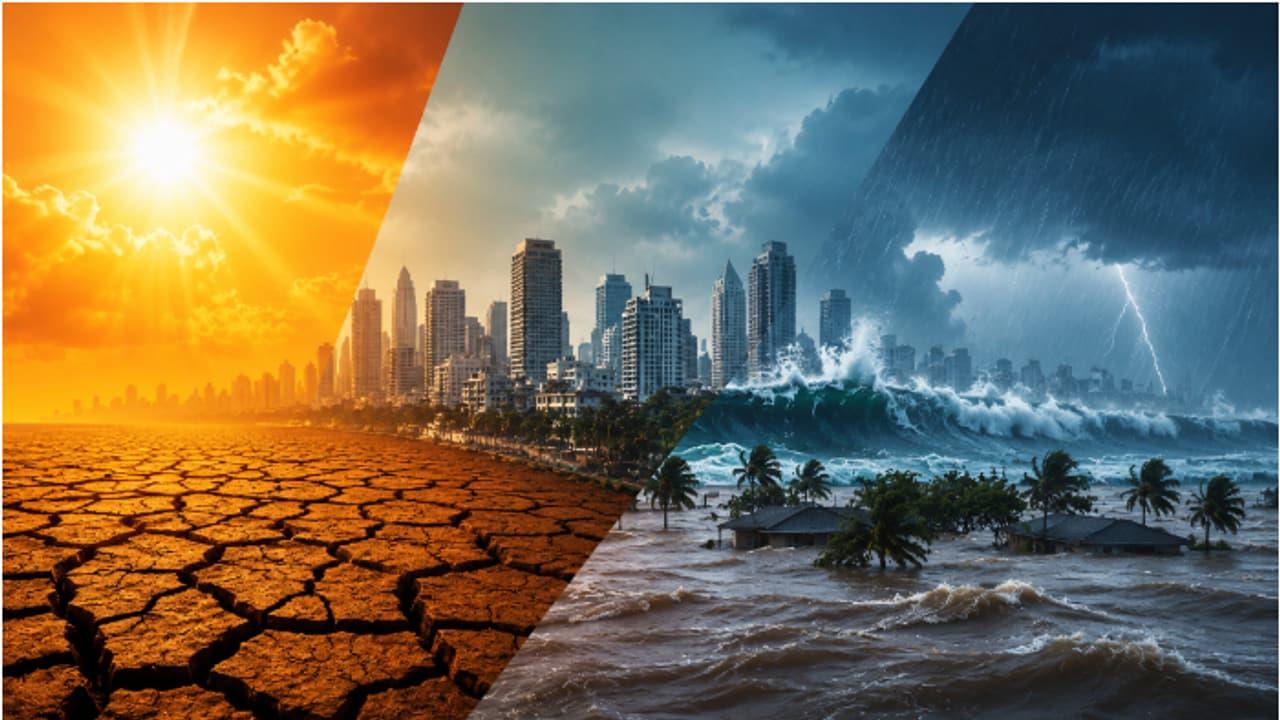
Mumbai To Kolkata: Indian Cities Most Vulnerable To Heat, Floods And Rising Seas
(MENAFN- AsiaNet News) ![]()
![]()
India's coastal cities like Mumbai, Kolkata are heading towards challenging future as climate change accelerates. A recent assessment warns that several major cities could face more intense heatwaves, flooding, extreme rainfall and rising sea levels
India's 11,000-kilometre coastline is becoming increasingly vulnerable to climate-related disasters. Researchers warn that cities such as Mumbai, Chennai, Kochi, Visakhapatnam, Kolkata and Surat could experience a sharp rise in extreme weather events over the next 15 years.
ALSO READ: Delhi Weather LATEST Update: Western Disturbance to Bring Rain Relief Across Delhi This Week
Heatwaves are expected to become longer and more severe, while heavy rainfall incidents could occur more frequently. Rising sea levels, stronger cyclones and storm surges are likely to worsen flooding in low-lying urban areas. Experts say these risks are no longer distant possibilities but emerging realities that require immediate attention.
Each coastal region faces its own set of climate threats. Mumbai is expected to confront a dangerous mix of sea-level rise, storm surges and urban flooding. As sea levels increase, rainwater drainage could become less effective, leading to more frequent inundation during the monsoon season.
On the eastern coast, cities such as Visakhapatnam, Kakinada, Puri and Paradip may witness stronger cyclones and more damaging storm surges. Meanwhile, Chennai and other parts of Tamil Nadu could face heavier rainfall, coastal erosion and saltwater intrusion into freshwater resources.
Kerala's coastal belt, including Kochi and Kozhikode, is projected to see intense rainfall, flooding and erosion. The Bengal coast and Sundarbans region remain among the most vulnerable areas, with rising sea levels and recurring cyclones threatening both human settlements and fragile ecosystems.
Economy, Infrastructure and Livelihoods Under Pressure
The consequences of these climate shifts extend far beyond weather events. Industries that depend on coastal regions, including fisheries, tourism, agriculture and port operations, could face major disruptions.
Critical infrastructure such as roads, power networks, housing projects and transportation systems may come under increasing strain from repeated extreme weather events. Experts stress that stronger flood management systems, climate-resilient infrastructure, restoration of coastal ecosystems and smarter urban planning will be essential to reducing future risks.
Without proactive adaptation measures, many of India's coastal cities could face a future defined by recurring floods, dangerous heat and mounting economic losses.

Legal Disclaimer:
MENAFN provides the
information “as is” without warranty of any kind. We do not accept
any responsibility or liability for the accuracy, content, images,
videos, licenses, completeness, legality, or reliability of the information
contained in this article. If you have any complaints or copyright
issues related to this article, kindly contact the provider above.
Most popular stories
Market Research

More Story






Comments
No comment