


Reimagining Resilience: Climate Adaptation Solutions Across The Middle East


(MENAFN- Mid-East Info) The harsh climate has always shaped Middle Eastern societies, dictating settlement patterns and testing human ingenuity for millennia. While generations have developed strategies to survive in an arid environment, the accelerating pace of climate change now threatens to overwhelm these age-old adaptations, posing risks to geopolitical stability and threating local residents. New solutions are beginning to arise in response, promising to finally tilt the balance for the better.
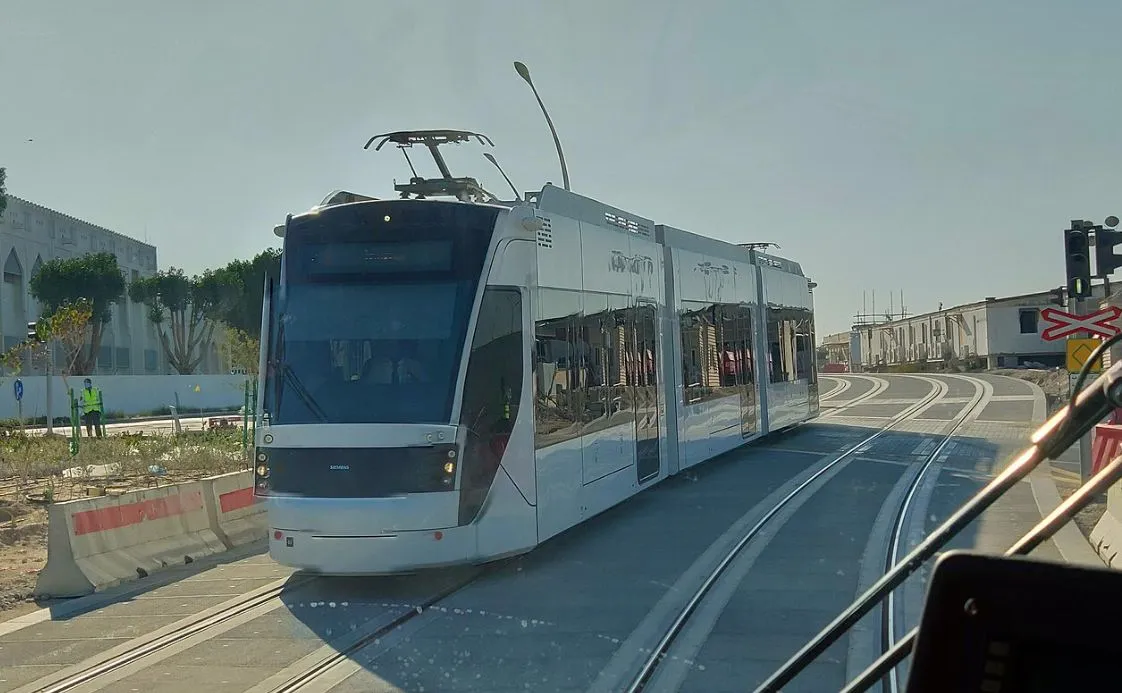
The Middle East is heating at twice the global average, pushing its climate toward a breaking point. Projections indicate summer temperatures could rise 4°C by century's end, with heat and humidity levels potentially exceeding the limits of human survivability. Intensifying droughts and dust storms will accelerate desertification, posing severe public health risks. These environmental pressures are fuelling social instability. Agricultural collapses, as seen in Iraq's Marsh Arab communities, is driving mass migration to ill-equipped cities, deepening urban poverty. Concurrently, geopolitical conflicts, like those impacting Gaza and Iran and the Middle East as a whole, are shattering the political cooperation necessary to manage shared water and energy resources, creating a vicious cycle of resources scarcity and instability. Now, climate change is rapidly shifting from a potential conflict amplifier to a primary driver of instability. As scientists and policymakers recognize this threat, the challenge of building a climate-resilient future for all is gaining urgency. Intensifying water scarcity and extreme heat are creating pressures that exceed the capacity of any single community to adapt, including affluent ones. This fuels displacement and competition over dwindling resources, from arable land to freshwater. The resulting decline in living standards risks generating widespread public discontent, a force with the potential to destabilize even the most prosperous nations. Faced with this reality, governments are beginning to act. Policy initiatives, such as the UAE's national Climate Change Law, are being enacted alongside major infrastructure projects designed to secure essential resources. These investments are not merely technical fixes; they are critical to stabilizing living conditions and reducing conflict triggers. As the following examples demonstrate, such efforts are pivotal for building national and regional climate resilience, offering a path toward greater security and improved social welfare. Rethinking the car-centric city in Qatar A common assumption is that wealthy, oil-rich nations are insulated from climate challenges, given their vast resources for building resilient infrastructure. Yet, wealth alone is no guarantee of resilience, as Qatar's experience demonstrates. Decades of rapid, car-centric urban expansion in Doha led to severe urban sprawl and one of the world's highest per-capita greenhouse gas emission rates. This legacy created an inefficient transportation system that imposes a direct cost on citizens, saddling them with long commutes, heightened stress, and lost productivity. These challenges are now poised to intensify. Rising global temperatures will exacerbate the urban heat island effect in Doha, making reliance on private vehicles-and their air-conditioned interiors-even more pervasive, while increasing the energy demands and health risks associated with extreme heat, locking the city into a cycle of escalating climate impacts. To confront these dual challenges of emissions and urban inefficiency, Qatar launched the Doha Metro, a fully automated rail system designed to wean the city off its car dependency, with 75 trains eventually spanning 300 kilometres across four lines. The metro, a key component of Qatar's National Vision 2030, proved its utility during the 2022 World Cup and is part of a larger, integrated network planned to include light rail and long-distance trains. Developed by the state-owned Qatar Rail and financed through the Qatar Development Bank, the project is an investment in urban climate resilience. It tackles the city's emissions by displacing thousands of car trips, slashing both carbon dioxide and harmful local pollutants for cleaner urban air. Strategically, the project is designed to curb the energy-intensive urban sprawl that defines car-centric cities. By fostering dense, mixed-use neighbourhoods around its stations, it creates a more sustainable and efficient urban model-an important adaptation in a region facing extreme heat-and alignment with Qatar's national climate targets while delivering immediate social benefits. Apart from the environmental issues, the network's integration of residential, commercial, and civic hubs improves mobility for all residents, particularly offering affordable transit to low-income populations. As Qatar Rail's Managing Director, Abdulla Al-Subaie, asserts, this shift is essential:“We simply cannot afford to move ahead with the current development model... We have to change the way people move.” The project thus serves as a practical blueprint for car-dependent cities worldwide seeking a more resilient future. Securing Jordan's water future Jordan's crisis underscores even more immediate climate threat. Water shortages are a daily reality in this water-scarce nation. In the capital, Amman, households receive piped water just two days a week, while some regions get supply only once a fortnight. This forces families to depend on expensive private water tankers and raises widespread concerns over water quality; a study in Al-Mafraq Governorate found 43% of residents experienced contamination. The economic stakes are high. UNICEF projects that escalating water stress could slash Jordan's GDP growth by up to 6% by 2050, an economic blow that risks fueling significant social unrest. Jordan's Minister of Water and Irrigation, Raed Abu Soud, recently stated that the country's annual per-capita water availability has fallen to a critically low 60 cubic meters, and this plight is projected to intensify. Regional climate models indicate that by 2040, groundwater and surface water availability will each decrease by approximately 15%. Consequently, the nation's internal long-term water resources are expected to drop from 65 to 46 cubic meters per person annually. Compounding the shortage, water quality is also deteriorating. Lower groundwater recharge and intensive agricultural use are increasing salinity and the concentration of harmful elements-including arsenic, selenium, and radium-in aquifers. This degradation will necessitate more intensive and costly water treatment, placing a further strain on the country's resources and its citizens' well-being. Facing the severe and worsening water crisis, Jordan is pursuing large-scale technological solutions to secure its future. The centrepiece of this effort is the Aqaba-Amman Water Desalination and Conveyance Project, an infrastructure initiative designed to provide a permanent water supply for over three million people. The project will feature the world's second-largest desalination plant, capable of producing 851,000 cubic meters of water per day-meeting up to 40% of the nation's drinking water needs. This €4 billion undertaking involves constructing an advanced reverse osmosis facility on the Gulf of Aqaba, a 450-kilometer pipeline to transport the water to the capital, and high-capacity pumping stations. To mitigate its energy footprint, the project will be partially powered by renewable sources, aligning with national energy goals. To ensure the goals implemented in life, the Jordanian government has adopted a Build-Operate-Transfer (BOT) model, with the Meridiam-Suez consortium-supported by partners including USAID-responsible for financing, building, and operating the system for a 26-year period after construction. “This project is really transformational for people in Jordan”, said Souad Farsi, EIB's representative to Jordan. Indeed, the Aqaba-Amman Water Desalination Project represents a safeguard for Jordan, countering the water scarcity that threatens its social and economic stability. By securing a reliable supply of clean drinking water for millions, it addresses a fundamental human need. Its design, managed by the global water management specialist Suez, incorporates advanced technologies to alleviate pressure on the nation's severely depleted groundwater reserves and preserve them for the future generation. Being not a luxury but a necessity, the infrastructure marks a shift toward a more resilient and diversified water portfolio, redefining national water security in an era of climate crisis and providing a reference for other water stressed-nations. Grassroots power in Syria Syria exemplifies the harsh reality of building climate resilience in a fragile state. After more than a decade of conflict and economic collapse, the nation additionally faces an escalating climate crisis. According to a UN humanitarian overview, Syria's location makes it highly vulnerable to a warming climate, with projections indicating a further temperature rise of 1–3°C by 2050. This trend is intensifying heatwaves and droughts, which in turn cripple hydroelectric power generation, spark wildfires, and trigger dust storms that damage conflict-weakened infrastructure. This convergence of environmental and man-made disasters creates a downward spiral of degradation, highlighting the security threat that climate change poses to the entire region. Syria's energy grid is buckling under climate-driven emergencies. A stark example occurred in 2021, when water levels in the Euphrates River's reservoirs plummeted, crippling the hydroelectric dams that cities depend on. With the key station forced offline, daily life was severely disrupted. Power in some northeastern regions was cut to just two hours a day, while at other times, electricity was rationed exclusively for essential services-powering only water stations, hospitals, and bakeries to prevent a total collapse of basic services. The consequences for residents were severe. Many households had to turn to expensive diesel generators. This stopgap solution created a new set of problems: the generators emit harmful pollutants that degrade air quality, compounding the public health crisis in a population already burdened by conflict and environmental stress. Facing the outages expected to worsen with climate crisis, residents of the Syrian village of Khirais, with support from the non-profit Aga Khan Foundation, turned to solar power to address their critical energy shortages. A 2021 pilot project installed solar panels for homes, businesses, and public spaces. The shift to solar has had a tangible impact: it has extended working hours, increased local earnings, and improved food storage. Solar-powered equipment have replaced polluting diesel generators and eliminated the need for kerosene lamps, a common but hazardous lighting source. This move away from the fossil fuel has cut indoor air pollution, reducing associated health risks like asthma and lung disease, while also lowering carbon emissions. Initiatives like the Khirais solar project leverage Syria's significant solar potential to provide a decentralized, cost-effective energy source for vulnerable communities, while the shift away from fossil fuels reduces emissions and improves local air quality. According to Bakhtiyor Azizmamadov, Programmes Director at the Aga Khan Foundation in Syria, the project has successfully electrified the entire village, with the community capably managing a system that now provides 24-hour power to all households and public spaces. Due to this success, the model is being replicated in other communities, demonstrating a form of distributed resilience for survival in fragile states. Ultimately, building climate resilience in the Middle East or elsewhere requires a diverse set of solutions, from national infrastructure like Qatar's metro and Jordan's water carrier to community-level solar projects in Syria. While no single initiative can solve the climate crisis, each one addresses a specific pressure point. Their shared goal is to secure essential resources-water, reliable power, and transportation-for populations facing environmental stress. These projects, whether large-scale or decentralized, help build more efficient systems. Each solar installation that displaces a diesel generator and each new source of desalinated water contribute to a more stable foundation. This cumulative progress is how the region develops the capacity to manage a changing climate, working to ensure near-term stability while adapting for the long term.
The Middle East is heating at twice the global average, pushing its climate toward a breaking point. Projections indicate summer temperatures could rise 4°C by century's end, with heat and humidity levels potentially exceeding the limits of human survivability. Intensifying droughts and dust storms will accelerate desertification, posing severe public health risks. These environmental pressures are fuelling social instability. Agricultural collapses, as seen in Iraq's Marsh Arab communities, is driving mass migration to ill-equipped cities, deepening urban poverty. Concurrently, geopolitical conflicts, like those impacting Gaza and Iran and the Middle East as a whole, are shattering the political cooperation necessary to manage shared water and energy resources, creating a vicious cycle of resources scarcity and instability. Now, climate change is rapidly shifting from a potential conflict amplifier to a primary driver of instability. As scientists and policymakers recognize this threat, the challenge of building a climate-resilient future for all is gaining urgency. Intensifying water scarcity and extreme heat are creating pressures that exceed the capacity of any single community to adapt, including affluent ones. This fuels displacement and competition over dwindling resources, from arable land to freshwater. The resulting decline in living standards risks generating widespread public discontent, a force with the potential to destabilize even the most prosperous nations. Faced with this reality, governments are beginning to act. Policy initiatives, such as the UAE's national Climate Change Law, are being enacted alongside major infrastructure projects designed to secure essential resources. These investments are not merely technical fixes; they are critical to stabilizing living conditions and reducing conflict triggers. As the following examples demonstrate, such efforts are pivotal for building national and regional climate resilience, offering a path toward greater security and improved social welfare. Rethinking the car-centric city in Qatar A common assumption is that wealthy, oil-rich nations are insulated from climate challenges, given their vast resources for building resilient infrastructure. Yet, wealth alone is no guarantee of resilience, as Qatar's experience demonstrates. Decades of rapid, car-centric urban expansion in Doha led to severe urban sprawl and one of the world's highest per-capita greenhouse gas emission rates. This legacy created an inefficient transportation system that imposes a direct cost on citizens, saddling them with long commutes, heightened stress, and lost productivity. These challenges are now poised to intensify. Rising global temperatures will exacerbate the urban heat island effect in Doha, making reliance on private vehicles-and their air-conditioned interiors-even more pervasive, while increasing the energy demands and health risks associated with extreme heat, locking the city into a cycle of escalating climate impacts. To confront these dual challenges of emissions and urban inefficiency, Qatar launched the Doha Metro, a fully automated rail system designed to wean the city off its car dependency, with 75 trains eventually spanning 300 kilometres across four lines. The metro, a key component of Qatar's National Vision 2030, proved its utility during the 2022 World Cup and is part of a larger, integrated network planned to include light rail and long-distance trains. Developed by the state-owned Qatar Rail and financed through the Qatar Development Bank, the project is an investment in urban climate resilience. It tackles the city's emissions by displacing thousands of car trips, slashing both carbon dioxide and harmful local pollutants for cleaner urban air. Strategically, the project is designed to curb the energy-intensive urban sprawl that defines car-centric cities. By fostering dense, mixed-use neighbourhoods around its stations, it creates a more sustainable and efficient urban model-an important adaptation in a region facing extreme heat-and alignment with Qatar's national climate targets while delivering immediate social benefits. Apart from the environmental issues, the network's integration of residential, commercial, and civic hubs improves mobility for all residents, particularly offering affordable transit to low-income populations. As Qatar Rail's Managing Director, Abdulla Al-Subaie, asserts, this shift is essential:“We simply cannot afford to move ahead with the current development model... We have to change the way people move.” The project thus serves as a practical blueprint for car-dependent cities worldwide seeking a more resilient future. Securing Jordan's water future Jordan's crisis underscores even more immediate climate threat. Water shortages are a daily reality in this water-scarce nation. In the capital, Amman, households receive piped water just two days a week, while some regions get supply only once a fortnight. This forces families to depend on expensive private water tankers and raises widespread concerns over water quality; a study in Al-Mafraq Governorate found 43% of residents experienced contamination. The economic stakes are high. UNICEF projects that escalating water stress could slash Jordan's GDP growth by up to 6% by 2050, an economic blow that risks fueling significant social unrest. Jordan's Minister of Water and Irrigation, Raed Abu Soud, recently stated that the country's annual per-capita water availability has fallen to a critically low 60 cubic meters, and this plight is projected to intensify. Regional climate models indicate that by 2040, groundwater and surface water availability will each decrease by approximately 15%. Consequently, the nation's internal long-term water resources are expected to drop from 65 to 46 cubic meters per person annually. Compounding the shortage, water quality is also deteriorating. Lower groundwater recharge and intensive agricultural use are increasing salinity and the concentration of harmful elements-including arsenic, selenium, and radium-in aquifers. This degradation will necessitate more intensive and costly water treatment, placing a further strain on the country's resources and its citizens' well-being. Facing the severe and worsening water crisis, Jordan is pursuing large-scale technological solutions to secure its future. The centrepiece of this effort is the Aqaba-Amman Water Desalination and Conveyance Project, an infrastructure initiative designed to provide a permanent water supply for over three million people. The project will feature the world's second-largest desalination plant, capable of producing 851,000 cubic meters of water per day-meeting up to 40% of the nation's drinking water needs. This €4 billion undertaking involves constructing an advanced reverse osmosis facility on the Gulf of Aqaba, a 450-kilometer pipeline to transport the water to the capital, and high-capacity pumping stations. To mitigate its energy footprint, the project will be partially powered by renewable sources, aligning with national energy goals. To ensure the goals implemented in life, the Jordanian government has adopted a Build-Operate-Transfer (BOT) model, with the Meridiam-Suez consortium-supported by partners including USAID-responsible for financing, building, and operating the system for a 26-year period after construction. “This project is really transformational for people in Jordan”, said Souad Farsi, EIB's representative to Jordan. Indeed, the Aqaba-Amman Water Desalination Project represents a safeguard for Jordan, countering the water scarcity that threatens its social and economic stability. By securing a reliable supply of clean drinking water for millions, it addresses a fundamental human need. Its design, managed by the global water management specialist Suez, incorporates advanced technologies to alleviate pressure on the nation's severely depleted groundwater reserves and preserve them for the future generation. Being not a luxury but a necessity, the infrastructure marks a shift toward a more resilient and diversified water portfolio, redefining national water security in an era of climate crisis and providing a reference for other water stressed-nations. Grassroots power in Syria Syria exemplifies the harsh reality of building climate resilience in a fragile state. After more than a decade of conflict and economic collapse, the nation additionally faces an escalating climate crisis. According to a UN humanitarian overview, Syria's location makes it highly vulnerable to a warming climate, with projections indicating a further temperature rise of 1–3°C by 2050. This trend is intensifying heatwaves and droughts, which in turn cripple hydroelectric power generation, spark wildfires, and trigger dust storms that damage conflict-weakened infrastructure. This convergence of environmental and man-made disasters creates a downward spiral of degradation, highlighting the security threat that climate change poses to the entire region. Syria's energy grid is buckling under climate-driven emergencies. A stark example occurred in 2021, when water levels in the Euphrates River's reservoirs plummeted, crippling the hydroelectric dams that cities depend on. With the key station forced offline, daily life was severely disrupted. Power in some northeastern regions was cut to just two hours a day, while at other times, electricity was rationed exclusively for essential services-powering only water stations, hospitals, and bakeries to prevent a total collapse of basic services. The consequences for residents were severe. Many households had to turn to expensive diesel generators. This stopgap solution created a new set of problems: the generators emit harmful pollutants that degrade air quality, compounding the public health crisis in a population already burdened by conflict and environmental stress. Facing the outages expected to worsen with climate crisis, residents of the Syrian village of Khirais, with support from the non-profit Aga Khan Foundation, turned to solar power to address their critical energy shortages. A 2021 pilot project installed solar panels for homes, businesses, and public spaces. The shift to solar has had a tangible impact: it has extended working hours, increased local earnings, and improved food storage. Solar-powered equipment have replaced polluting diesel generators and eliminated the need for kerosene lamps, a common but hazardous lighting source. This move away from the fossil fuel has cut indoor air pollution, reducing associated health risks like asthma and lung disease, while also lowering carbon emissions. Initiatives like the Khirais solar project leverage Syria's significant solar potential to provide a decentralized, cost-effective energy source for vulnerable communities, while the shift away from fossil fuels reduces emissions and improves local air quality. According to Bakhtiyor Azizmamadov, Programmes Director at the Aga Khan Foundation in Syria, the project has successfully electrified the entire village, with the community capably managing a system that now provides 24-hour power to all households and public spaces. Due to this success, the model is being replicated in other communities, demonstrating a form of distributed resilience for survival in fragile states. Ultimately, building climate resilience in the Middle East or elsewhere requires a diverse set of solutions, from national infrastructure like Qatar's metro and Jordan's water carrier to community-level solar projects in Syria. While no single initiative can solve the climate crisis, each one addresses a specific pressure point. Their shared goal is to secure essential resources-water, reliable power, and transportation-for populations facing environmental stress. These projects, whether large-scale or decentralized, help build more efficient systems. Each solar installation that displaces a diesel generator and each new source of desalinated water contribute to a more stable foundation. This cumulative progress is how the region develops the capacity to manage a changing climate, working to ensure near-term stability while adapting for the long term.

Legal Disclaimer:
MENAFN provides the
information “as is” without warranty of any kind. We do not accept
any responsibility or liability for the accuracy, content, images,
videos, licenses, completeness, legality, or reliability of the information
contained in this article. If you have any complaints or copyright
issues related to this article, kindly contact the provider above.


Comments
No comment