





403
Sorry!!
Error! We're sorry, but the page you were looking for doesn't exist.
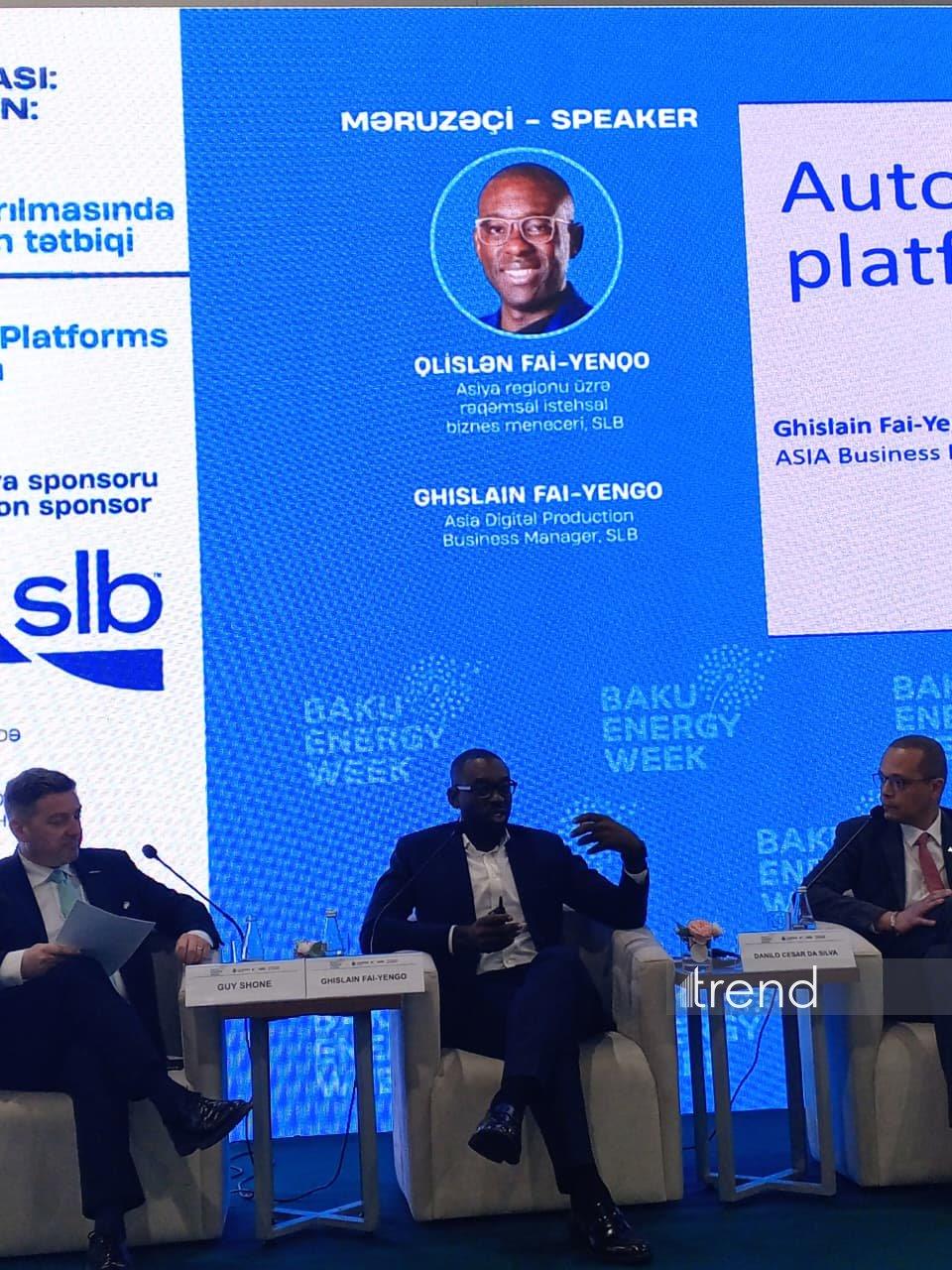
SLB Signals Future Of Oil And Gas Lies In Autonomous Technologies
(MENAFN- Trend News Agency)
BAKU, Azerbaijan, June 1. Autonomous and
remotely operated facilities can significantly reduce operating
costs for oil and gas companies and improve the safety of
production processes, Ghislain Fai-Yengo, SLB's Digital Operations
Manager for Asia, said during a panel session at Baku Energy Week,
Trend reports.
According to him, the oil and gas industry has evolved from the concept of digital fields to remote management and autonomous operations, and today the key challenge is scaling these solutions.
“Wherever I go - to India, Beijing, or Shenzhen - operators ask the same questions: how to improve operational cost efficiency, reduce the number of employees at field sites, cut down on vessel trips, and ensure safer facility operations,” he noted.
Fai-Yengo emphasized that three key components are necessary for the implementation of autonomous solutions: specialized equipment, modern software platforms, and additional engineering services.
In his words, equipment must be designed from the outset for remote control and autonomous operation, while software solutions must support the processing of large volumes of data, the use of digital twins, and artificial intelligence technologies.
“We need to work closely with operators and rethink our approaches to facility design-determining what equipment is truly necessary, how to reduce the size of installations, and how to implement AI to improve efficiency,” the SLB representative said.
He noted that many elements of autonomous systems are already in use in the global oil and gas industry, including remote control of production, injection, mechanized production systems, and chemical processes.
--
Legal Disclaimer:
MENAFN provides the
information “as is” without warranty of any kind. We do not accept
any responsibility or liability for the accuracy, content, images,
videos, licenses, completeness, legality, or reliability of the information
contained in this article. If you have any complaints or copyright
issues related to this article, kindly contact the provider above.
Most popular stories
Market Research

More Story






Comments
No comment