





403
Sorry!!
Error! We're sorry, but the page you were looking for doesn't exist.
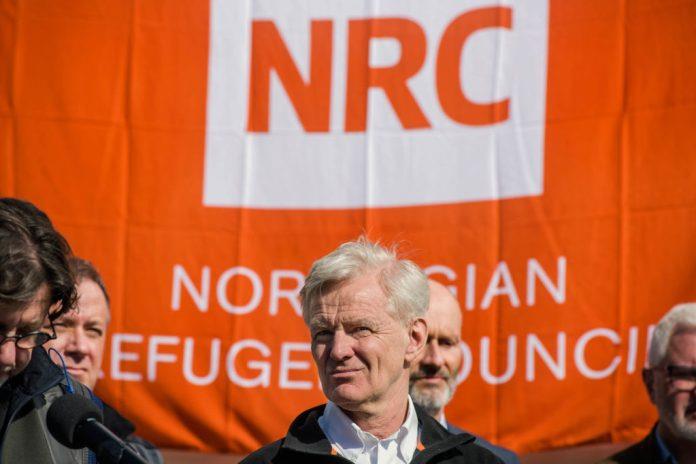
NRC Warns Millions Of Afghan Refugees In Iran Face Growing Hardship
(MENAFN- Khaama Press) The head of the Norwegian Refugee Council (NRC) has expressed concern over the situation of millions of Afghan refugees in Iran, warning that economic pressures, insecurity and rising returns are placing vulnerable families under increasing strain.
Jan Egeland said many Afghan refugees in Iran are struggling with worsening living conditions as economic challenges and reduced employment opportunities affect their ability to support their families.
He noted that a significant number of Afghans are living in areas that have experienced heightened tensions and insecurity in recent months, while limited relocation options and movement restrictions have further complicated their situation.
Egeland also highlighted a sharp increase in returns to Afghanistan, saying many Afghans have left Iran and returned home amid growing pressures. He warned, however, that Afghanistan lacks the infrastructure and resources needed to absorb large numbers of returnees.
The NRC chief raised concerns about reports of forced deportations and accelerated returns, stressing that many families are returning to communities already struggling with poverty, unemployment and limited access to basic services. Humanitarian agencies have repeatedly warned that involuntary returns could worsen Afghanistan's ongoing humanitarian crisis.
Iran hosts one of the world's largest Afghan refugee populations, with millions of Afghans living in the country as refugees, migrant workers or undocumented residents. Many have resided there for years, while others fled Afghanistan following political and economic upheaval after 2021.
International aid organizations have reported a substantial increase in cross-border movements from Iran to Afghanistan in recent months. Border crossings in western Afghanistan have witnessed thousands of arrivals, placing additional pressure on humanitarian assistance programs and local communities.
Afghanistan continues to face severe economic challenges, high levels of unemployment and widespread humanitarian needs. Aid agencies warn that the growing number of returnees could place further strain on already limited services, particularly in housing, healthcare, education and employment.
Humanitarian organizations have repeatedly called for greater international support for both Afghan refugees in neighboring countries and those returning to Afghanistan, arguing that sustainable reintegration will require long-term assistance and investment in basic infrastructure and livelihoods.

Legal Disclaimer:
MENAFN provides the
information “as is” without warranty of any kind. We do not accept
any responsibility or liability for the accuracy, content, images,
videos, licenses, completeness, legality, or reliability of the information
contained in this article. If you have any complaints or copyright
issues related to this article, kindly contact the provider above.
Most popular stories
Market Research

More Story






Comments
No comment