




403
Sorry!!
Error! We're sorry, but the page you were looking for doesn't exist.
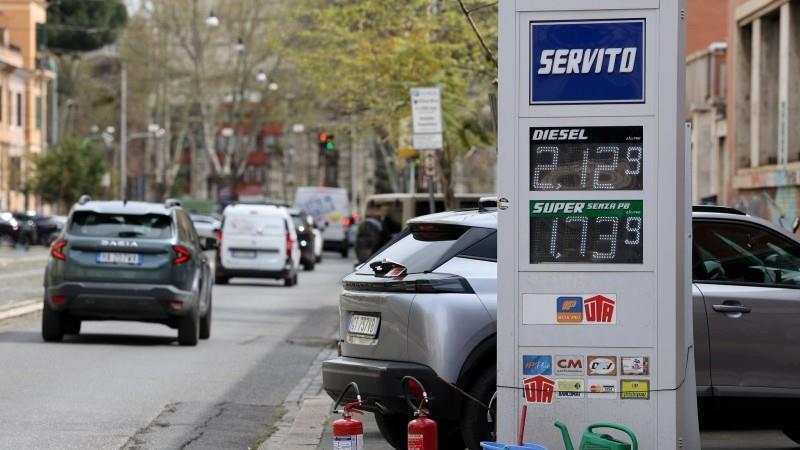
Italian Inflation Inches Up In May On Rising Energy Pressures
(MENAFN- ING)
Italy's inflation wave – prompted by energy price increases following the war in the Middle East and the blockage of the Strait of Hormuz – continued in May, in line with expectations.
According to Istat data, headline inflation inched up to 3.2% (from 2.7% in April), driven by an acceleration in non-regulated energy prices (up 12.6% from 9.6% in April) and regulated energy prices (up 5.8% from 5.6%), transport services (up 1.8% from 0.6%) and recreational and cultural services (up 3% from 2.6%).
Core inflation, which excludes energy and fresh food, also edged up to 1.8% (from 1.6% in April). Unsurprisingly, the slight rebound in core inflation went hand in hand with an acceleration in services inflation, which returned to 2.8% in May after a temporary fall to 2.4% in April – possibly distorted to the downside due to the timing of the Easter holidays. Looking through these temporary factors, the path of core inflation remains well-behaved for the time being, with no evidence of second-round effects from the energy price shock.
Whether this will continue is still uncertain, though. On the energy price front, the inflation profile will strongly depend on the timing of reopening the Strait of Hormuz and the possibility that the Italian government will continue to fund temporary excise cuts on petrol and diesel fuel. We assume that the latter will be refinanced, at least in the short run. In the meantime, some pass-through of energy price pressures on non-energy goods seems inevitable. Stability in high pricing intentions in the May business survey, both in the manufacturing and construction sectors, appears to support this view.
On the services front, the picture is less clear. Wage growth decelerated further in March to 2.4% (from 2.7%), and the Indeed wage tracker does not point to any imminent acceleration. The surprisingly positive news coming from the April employment report – also released today by Istat – points instead to tighter labour market conditions, with the unemployment rate falling to 5.1% while the labour force expands. However, pricing intentions in the May business confidence survey already show a slowdown following the acceleration in April. Businesses in the services sector therefore appear less confident in their ability to pass through rising cost pressures.
All in all, today's data followed our projected path. On the assumption of a gradual return to quasi-normality in oil flows over the third quarter of 2026, we expect headline inflation to continue creeping up through the rest of the year without reaching 4% and tentatively reiterate our call for average headline inflation at 2.9%.

Legal Disclaimer:
MENAFN provides the
information “as is” without warranty of any kind. We do not accept
any responsibility or liability for the accuracy, content, images,
videos, licenses, completeness, legality, or reliability of the information
contained in this article. If you have any complaints or copyright
issues related to this article, kindly contact the provider above.
Most popular stories
Market Research

More Story







Comments
No comment