


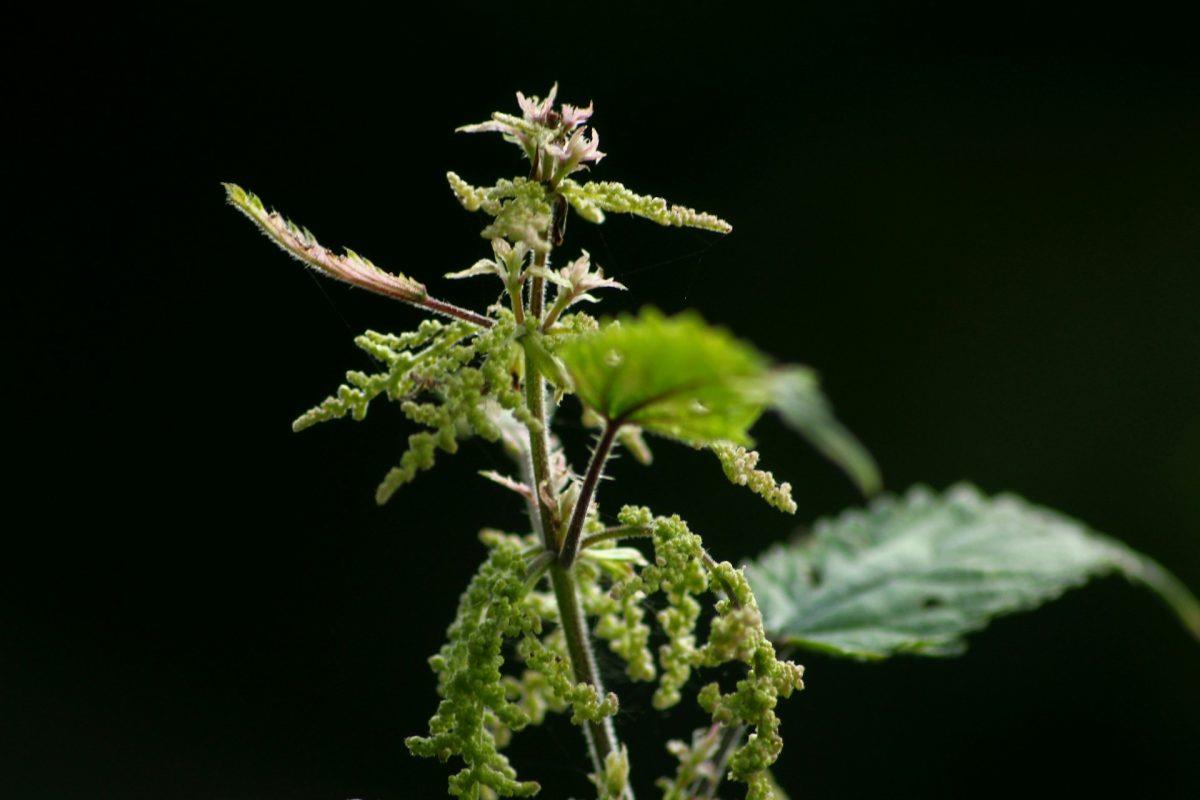
Stop Pulling These 'Weeds'-Comfrey And Nettles Can Fertilize Your Garden


What looks like a garden nuisance often hides a powerhouse of nutrition waiting to transform tired soil into something far more productive. Comfrey and stinging nettles often trigger quick reactions from gardeners who rush to pull them out, but experienced growers treat them like living fertilizer factories. These plants pull minerals deep from the soil and store them in their leaves, creating a natural supply of nutrients that rival many store-bought feeds.
Gardeners who toss them into compost piles or steep them into liquid feeds often notice stronger plant growth, richer soil texture, and fewer trips to the garden center. The real surprise comes when these so-called weeds outperform expensive fertilizers with almost no cost beyond a little patience and know-how.
Why These“Weeds” Work Like Underground Nutrient MinesComfrey and nettles earn their reputation as nutrient accumulators because their root systems reach deep into the soil profile. These roots pull up potassium, calcium, magnesium, and trace minerals that many shallow-rooted crops never access. The plants store those nutrients in their large, leafy growth, which turns every harvest into a concentrated fertilizer source. Gardeners who observe these plants closely often notice how quickly they regrow after cutting, which signals a constant cycle of nutrient production. That rapid regrowth turns them into renewable resources instead of one-time garden materials.
Soil biology responds strongly when gardeners introduce chopped comfrey and nettles back into the growing space. Microorganisms break down the plant matter quickly and release nutrients back into the root zone of nearby vegetables and flowers. This process supports healthier soil structure and encourages beneficial microbial activity that improves water retention. Gardeners often place these plants near fruit trees or vegetable beds to create natural feeding zones. Over time, this approach reduces dependency on synthetic fertilizers and builds a more self-sustaining garden ecosystem.
Comfrey Turns Into One of the Garden's Fastest FertilizersComfrey grows thick, deep roots that act like nutrient elevators pulling minerals from subsoil layers. Gardeners who cut comfrey leaves several times per season unlock a steady supply of green biomass that breaks down quickly into rich organic matter. The leaves contain high levels of potassium, which makes them especially valuable for fruiting plants like tomatoes, peppers, and squash. Many gardeners lay comfrey leaves directly around plant bases as a mulch that slowly feeds the soil. This simple practice reduces weeds while steadily improving soil fertility.
Comfrey also works extremely well in compost systems because it speeds up decomposition rates. Compost piles with chopped comfrey heat up faster and break down more evenly compared to piles without it. Gardeners often layer comfrey between dry materials like leaves or straw to balance moisture and nitrogen levels. The plant's soft texture allows microbes to break it down quickly, which shortens composting time significantly. Over several months, this process produces dark, nutrient-rich compost that strengthens nearly every type of garden plant.
Nettles Supercharge Compost and Liquid FeedsStinging nettles may discourage casual handling, but seasoned gardeners treat them like a secret weapon for soil fertility. These plants contain high levels of nitrogen, iron, and silica, which support leafy growth and strong plant structure. Gardeners often harvest nettles early in the season before they flower to capture peak nutrient levels. Once cut, nettles break down rapidly and release nutrients into compost or liquid feed systems. This fast breakdown makes them especially useful during active growing seasons when plants demand steady nutrition.
Nettle tea has become a staple among organic gardeners because it delivers nutrients in a form plants absorb quickly. Gardeners fill buckets with nettles, add water, and allow the mixture to steep until it develops a strong, earthy smell. That liquid concentrate gets diluted and poured directly onto soil around vegetables and ornamentals. Many gardeners notice greener leaves and stronger stems within days of application. This natural feed also improves soil microbial activity, which helps long-term garden resilience.
Smart Ways to Harvest and Manage GrowthComfrey and nettles require thoughtful management because both plants spread aggressively when left unchecked. Gardeners often place comfrey in dedicated beds or border areas to prevent overcrowding other crops. Regular cutting keeps the plant productive while controlling its size and shape. Nettles benefit from similar attention, especially in areas where they might compete with vegetables or herbs. Controlled harvesting ensures these plants support the garden instead of overwhelming it.
Safety also matters when handling nettles due to their stinging hairs. Thick gloves and long sleeves protect skin during harvest and preparation. Once chopped or wilted, nettles lose their sting and become safe for composting or brewing. Comfrey requires caution as well because its rapid growth can crowd smaller plants if ignored. Careful placement and consistent harvesting turn both plants into manageable and highly productive garden tools.
Turning“Weeds” Into a Living Fertilizer SystemComfrey and nettles shift the entire idea of gardening from constant input to smart recycling of natural resources. These plants convert overlooked spaces into nutrient production zones that feed surrounding crops throughout the season. Gardeners who integrate them into compost systems, mulching routines, and liquid feeds often reduce fertilizer costs significantly. That shift also strengthens soil structure and encourages healthier plant cycles year after year. Instead of fighting these plants, smart gardeners use them as part of a self-sustaining growing system.
What other“weeds” might secretly support healthier soil in your garden, and how often do they get overlooked before pulling them out? Let's chat about it below!

Legal Disclaimer:
MENAFN provides the
information “as is” without warranty of any kind. We do not accept
any responsibility or liability for the accuracy, content, images,
videos, licenses, completeness, legality, or reliability of the information
contained in this article. If you have any complaints or copyright
issues related to this article, kindly contact the provider above.


Comments
No comment