




403
Sorry!!
Error! We're sorry, but the page you were looking for doesn't exist.
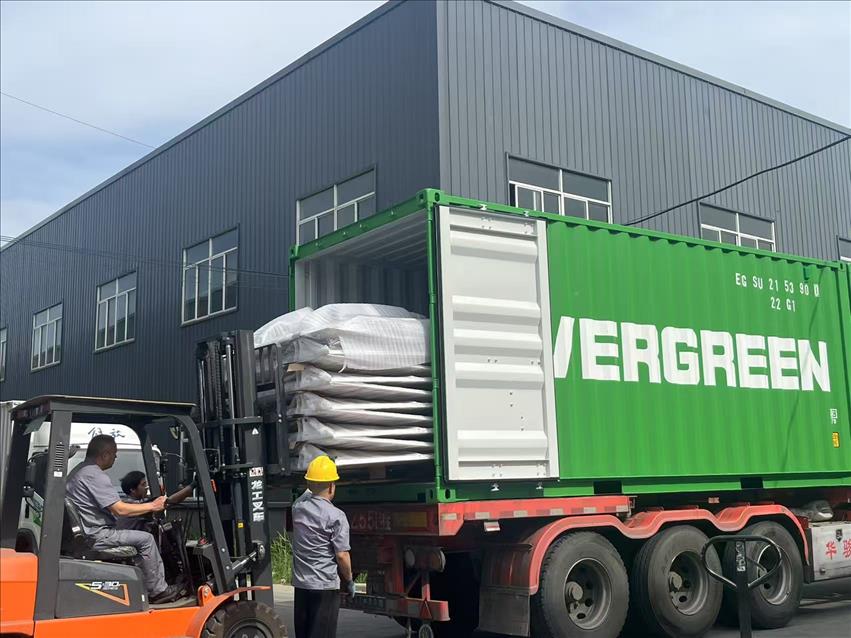
Tail Lift Systems for Logistics Efficiency and Cost Optimization
(MENAFN- MENAFNEditorial) Application and Cost Optimization of Tail Lift Systems in Modern Logistics
For logistics companies, distributors, delivery fleets, and commercial vehicle operators, loading costs are never isolated from operations. Labor, waiting time, cargo damage, and equipment maintenance tend to overlap in real workflows, especially when hydraulic tail lift systems are not part of the base configuration. Interestingly, many fleets only realize this after scaling operations.
The commercial vehicle tail lift system is often introduced later than expected in fleet upgrades. Not always because of cost, but because earlier processes can still “work” without it. That changes quickly once route density increases.
In some cases, the logistics tail lift becomes a stabilizing factor rather than just equipment. It quietly influences how predictable a delivery cycle can be.
Improving Loading Efficiency
Efficiency discussions usually start with time, but in real logistics operations, time is just the result of multiple micro-steps.
A cargo tail lift platform removes one of those steps entirely. Not dramatically at first, but consistently. Over a full delivery cycle, this becomes more visible than expected.
There are also cases where a truck lifting platform is not the main driver of efficiency, but rather a support mechanism when handling uneven loading environments. Warehouse exits, curbside drops, and temporary stops all behave differently.
The effect is cumulative, not immediate.
Reducing Labor Dependency
Labor dependency is not only about headcount. It is more about how flexible the operation becomes when conditions change.
A commercial loading platform shifts part of that dependency away from manual coordination. The same applies to a vehicle loading platform, although its impact is usually more noticeable in mixed-fleet operations.
The fleet tail lift solution is often introduced after inconsistencies appear between vehicles. That is usually the real trigger, not planning.
And in distribution-heavy environments, the delivery lifting platform ends up being used more frequently than originally expected.
Reducing Cargo Damage Risk
Cargo damage is rarely caused by one major mistake. It is usually small instability repeated over time.
A hydraulic lift tailgate system reduces that variability, but not by eliminating human handling completely. It simply reduces how often cargo is “repositioned” during transfer.
The heavy-duty tail lift system tends to appear in operations where repetition matters more than peak load.
There are also scenarios where an industrial cargo tail lift is used not because cargo is extremely heavy, but because the handling cycle is frequent enough to require consistency.
Improving Worker Safety
Safety improvements are often described in structured terms, but in practice, they appear as reduced strain at the end of the day.
The logistics lifting equipment does not remove work; it changes how the work is distributed physically.
A tail lift loading system usually becomes noticeable only after operators compare older and newer vehicles side by side. The difference is subtle in single use, but clear over weeks.
Supporting More Flexible Delivery Routes
Urban logistics rarely behaves in a planned way. Stops vary, surfaces vary, timing varies.
This is where the urban delivery tail lift becomes more relevant. Not as a “feature”, but as an adaptation layer between vehicle and environment.
The last-mile delivery tail lift is often used in places where infrastructure assumptions simply do not hold.
The logistics tail lift solution is less about optimization and more about reducing dependency on external conditions.
Selecting the Appropriate Load Capacity
Load capacity decisions are often treated as technical, but in real operations, they are operational habits encoded into equipment.
A truck hydraulic tail lift is typically selected for repeat cycles. Meanwhile, an hydraulic lifting platform for trucks is more common in standardized warehouse operations.
The industrial cargo tail lift and freight lifting tail lift appear in heavier workflows, but not always for heavier goods—sometimes just for stricter handling rules.
A vehicle tail lift platform tends to unify different vehicle behaviors under one loading standard.
Reducing Maintenance Issues
Maintenance issues are rarely sudden. They usually appear after patterns form.
A rear-mounted tail lift is predictable in structure. A folding tail lift behaves differently depending on usage frequency.
The tuck-away tail lift is often selected when exposure time needs to be reduced rather than load increased.
In more modular setups, a modular tail lift system or flexible cargo handling system becomes more relevant than individual component upgrades.
Beyond Purchase Price Thinking
Procurement decisions in logistics are shifting slowly. Not in theory, but in repeated operational corrections.
The smart logistics tail lift and smart tail lift system represent this shift toward visibility and consistency rather than raw mechanical function.
Procurement and Supply Chain Applications
At scale, procurement is rarely about a single unit. It becomes system-level planning.
A hydraulic tail lift manufacturer or tail lift system supplier is usually selected based on stability rather than specification.
Bulk operations such as commercial tail lift bulk purchase or logistics tail lift equipment procurement are typically driven by fleet expansion timing, not unit pricing.
In more complex cases, a custom tail lift OEM supplier or industrial tail lift customization service is required to align with vehicle diversity.
Installation is usually handled through a tail lift installation solution, but integration issues often appear only after deployment starts.
Cost and Efficiency Analysis
Operational studies such as how hydraulic tail lifts improve logistics efficiency or tail lift improves loading efficiency generally confirm efficiency gains, but real impact depends on usage density rather than equipment alone.
Cost discussions like impact of truck tail lift installation on transport cost tend to show clearer results only at fleet scale.
The commercial vehicle tail lift selection guide is often used after initial deployment rather than before.
Conclusion
Tail lift systems sit between infrastructure and operation. They are not just loading devices, but a structural part of how logistics workflows stabilize over time.
The real decision is not whether to use them, but when operational complexity makes them necessary.
Beauway has been specializing in logistics loading equipment for many years, covering a full range of products including tail lift loading system, dock levelers, and lifting platforms. For site-specific requirements, technical consultation and customized solutions are available upon request.
For logistics companies, distributors, delivery fleets, and commercial vehicle operators, loading costs are never isolated from operations. Labor, waiting time, cargo damage, and equipment maintenance tend to overlap in real workflows, especially when hydraulic tail lift systems are not part of the base configuration. Interestingly, many fleets only realize this after scaling operations.
The commercial vehicle tail lift system is often introduced later than expected in fleet upgrades. Not always because of cost, but because earlier processes can still “work” without it. That changes quickly once route density increases.
In some cases, the logistics tail lift becomes a stabilizing factor rather than just equipment. It quietly influences how predictable a delivery cycle can be.
Improving Loading Efficiency
Efficiency discussions usually start with time, but in real logistics operations, time is just the result of multiple micro-steps.
A cargo tail lift platform removes one of those steps entirely. Not dramatically at first, but consistently. Over a full delivery cycle, this becomes more visible than expected.
There are also cases where a truck lifting platform is not the main driver of efficiency, but rather a support mechanism when handling uneven loading environments. Warehouse exits, curbside drops, and temporary stops all behave differently.
The effect is cumulative, not immediate.
Reducing Labor Dependency
Labor dependency is not only about headcount. It is more about how flexible the operation becomes when conditions change.
A commercial loading platform shifts part of that dependency away from manual coordination. The same applies to a vehicle loading platform, although its impact is usually more noticeable in mixed-fleet operations.
The fleet tail lift solution is often introduced after inconsistencies appear between vehicles. That is usually the real trigger, not planning.
And in distribution-heavy environments, the delivery lifting platform ends up being used more frequently than originally expected.
Reducing Cargo Damage Risk
Cargo damage is rarely caused by one major mistake. It is usually small instability repeated over time.
A hydraulic lift tailgate system reduces that variability, but not by eliminating human handling completely. It simply reduces how often cargo is “repositioned” during transfer.
The heavy-duty tail lift system tends to appear in operations where repetition matters more than peak load.
There are also scenarios where an industrial cargo tail lift is used not because cargo is extremely heavy, but because the handling cycle is frequent enough to require consistency.
Improving Worker Safety
Safety improvements are often described in structured terms, but in practice, they appear as reduced strain at the end of the day.
The logistics lifting equipment does not remove work; it changes how the work is distributed physically.
A tail lift loading system usually becomes noticeable only after operators compare older and newer vehicles side by side. The difference is subtle in single use, but clear over weeks.
Supporting More Flexible Delivery Routes
Urban logistics rarely behaves in a planned way. Stops vary, surfaces vary, timing varies.
This is where the urban delivery tail lift becomes more relevant. Not as a “feature”, but as an adaptation layer between vehicle and environment.
The last-mile delivery tail lift is often used in places where infrastructure assumptions simply do not hold.
The logistics tail lift solution is less about optimization and more about reducing dependency on external conditions.
Selecting the Appropriate Load Capacity
Load capacity decisions are often treated as technical, but in real operations, they are operational habits encoded into equipment.
A truck hydraulic tail lift is typically selected for repeat cycles. Meanwhile, an hydraulic lifting platform for trucks is more common in standardized warehouse operations.
The industrial cargo tail lift and freight lifting tail lift appear in heavier workflows, but not always for heavier goods—sometimes just for stricter handling rules.
A vehicle tail lift platform tends to unify different vehicle behaviors under one loading standard.
Reducing Maintenance Issues
Maintenance issues are rarely sudden. They usually appear after patterns form.
A rear-mounted tail lift is predictable in structure. A folding tail lift behaves differently depending on usage frequency.
The tuck-away tail lift is often selected when exposure time needs to be reduced rather than load increased.
In more modular setups, a modular tail lift system or flexible cargo handling system becomes more relevant than individual component upgrades.
Beyond Purchase Price Thinking
Procurement decisions in logistics are shifting slowly. Not in theory, but in repeated operational corrections.
The smart logistics tail lift and smart tail lift system represent this shift toward visibility and consistency rather than raw mechanical function.
Procurement and Supply Chain Applications
At scale, procurement is rarely about a single unit. It becomes system-level planning.
A hydraulic tail lift manufacturer or tail lift system supplier is usually selected based on stability rather than specification.
Bulk operations such as commercial tail lift bulk purchase or logistics tail lift equipment procurement are typically driven by fleet expansion timing, not unit pricing.
In more complex cases, a custom tail lift OEM supplier or industrial tail lift customization service is required to align with vehicle diversity.
Installation is usually handled through a tail lift installation solution, but integration issues often appear only after deployment starts.
Cost and Efficiency Analysis
Operational studies such as how hydraulic tail lifts improve logistics efficiency or tail lift improves loading efficiency generally confirm efficiency gains, but real impact depends on usage density rather than equipment alone.
Cost discussions like impact of truck tail lift installation on transport cost tend to show clearer results only at fleet scale.
The commercial vehicle tail lift selection guide is often used after initial deployment rather than before.
Conclusion
Tail lift systems sit between infrastructure and operation. They are not just loading devices, but a structural part of how logistics workflows stabilize over time.
The real decision is not whether to use them, but when operational complexity makes them necessary.
Beauway has been specializing in logistics loading equipment for many years, covering a full range of products including tail lift loading system, dock levelers, and lifting platforms. For site-specific requirements, technical consultation and customized solutions are available upon request.

Legal Disclaimer:
MENAFN provides the
information “as is” without warranty of any kind. We do not accept
any responsibility or liability for the accuracy, content, images,
videos, licenses, completeness, legality, or reliability of the information
contained in this article. If you have any complaints or copyright
issues related to this article, kindly contact the provider above.
Most popular stories
Market Research

More Story








Comments
No comment