



403
Sorry!!
Error! We're sorry, but the page you were looking for doesn't exist.
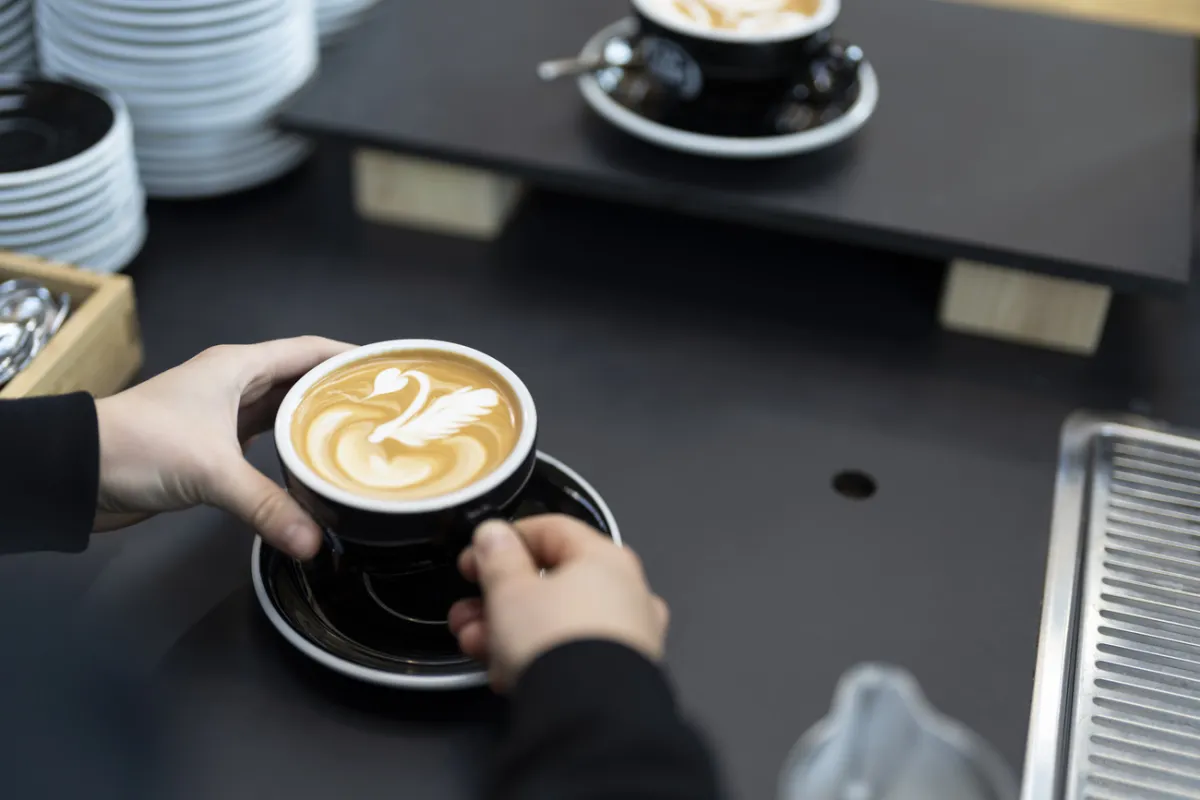
How Switzerland Became A Land Of Coffee
(MENAFN- Swissinfo)
Only Brazil exports more coffee than Switzerland. How did a small country, where the climate makes it impossible to grow coffee, become the world's second-largest coffee exporter? It is a story that also has its dark chapters.
This content was published on
May 16, 2026 - 11:00
6 minutes
I cover topics related to the Swiss Abroad and Swiss specialities, also producing a daily briefing for the Swiss Abroad community. I studied communication sciences, then worked as a reporter and video journalist for private radio and television. I have worked for SWI swissinfo in various roles since 2002.
-
More from this aut
German Departm
-
Deutsch
de
Wie die Schweiz zum Kaffeeland wurde
Original
Read more: Wie die Schweiz zum Kaffeeland
Français
fr
Comment la Suisse est devenue une nation du café sans en cultiver
Read more: Comment la Suisse est devenue une nation du café sans en cul
Italiano
it
Come la Svizzera è diventata un Paese del caffè
Read more: Come la Svizzera è diventata un Paese del c
Switzerland has achieved something economically that defies all logic. With an export value of around CHF3.3 billion ($4.2 billion) in recent years, the small country is only just behind Brazil in terms of coffee exports, but ahead of giants such as Colombia, Ethiopia and Vietnam – all countries that grow coffee and supply the beans that are roasted in Switzerland.
The local industry generates good margins with this processing. According to the Swiss Trade Monitor of the University of St Gallen, coffee beans (known as green coffee) are imported into Switzerland for around $5 per kilogramme. When they leave the Swiss roasting plants, they are worth $26.80 per kilo.
This enormous increase in value makes coffee Switzerland's most important agricultural export today. With a share of around 33%, it is even more important than traditional exports such as cheese or chocolate.
External ContentSwitzerland is slightly behind Italy and Germany in terms of pure export volumes, as the Dutch government writes in an analysis of Switzerland's market potential in the coffee sector.
However, Switzerland's specialisation in high-priced, portioned products explains why it is ahead of these two countries in terms of export value.
According to the same source, green coffee is almost always delivered via the River Rhine. The beans first reach seaports such as Antwerp, Rotterdam or Hamburg, where they are transported up the Rhine by barge to Basel, where many of the large green coffee trading companies have set up shop.
The miracle of 'substantial transformation'But why is coffee that is only roasted in Switzerland allowed to carry a Swiss cross on its packaging? The secret behind the country's success is a legal finesse called“substantial transformation”.
Under international trade law, a product is labelled with the origin of the country in which it was substantially transformed.
In the case of coffee, customs authorities worldwide have decided that the roasting of green beans constitutes such a transformation. This subtlety has made Switzerland one of the world's largest coffee-producing countries.
'Coffee Valley' and Swiss precisionBut it's not just the beans. Around Lake Geneva and in eastern Switzerland, ecosystems have developed that are often referred to as“Coffee Valley”. Not only are the giants such as Nestlé (with Nescafé and Nespresso) based here, but also the industry's technology leaders.
While Switzerland is in second place for coffee, it is the undisputed leader in the market for fully automatic coffee machines: Around 70% of all machines sold worldwide come from Switzerland.
They are produced by the industry leaders Jura, Schaerer and Thermoplan. The latter, for example, supplies all the coffee machines for the branches of the Starbucks coffee chain.
Swiss suppliers, who produce highly specialised components, are also behind the success of the machine manufacturers. These precision plastic components have to withstand extreme pressures of up to 20 bar and temperatures of 100°C, which is necessary for a fine coffee.
Discover the history of Swiss coffee machines:
More More Your favourite coffee was probably made by a Swiss machineThis content was published on Mar 19, 2024 Switzerland is a world leader when it comes to coffee machines – the chances are that your favourite brew, whether in your kitchen or at Starbucks, was made by a Swiss appliance.
Read more: Your favourite coffee was probably made by a Swiss ma
Legal Disclaimer:
MENAFN provides the
information “as is” without warranty of any kind. We do not accept
any responsibility or liability for the accuracy, content, images,
videos, licenses, completeness, legality, or reliability of the information
contained in this article. If you have any complaints or copyright
issues related to this article, kindly contact the provider above.
Most popular stories
Market Research

More Story







Comments
No comment