



403
Sorry!!
Error! We're sorry, but the page you were looking for doesn't exist.
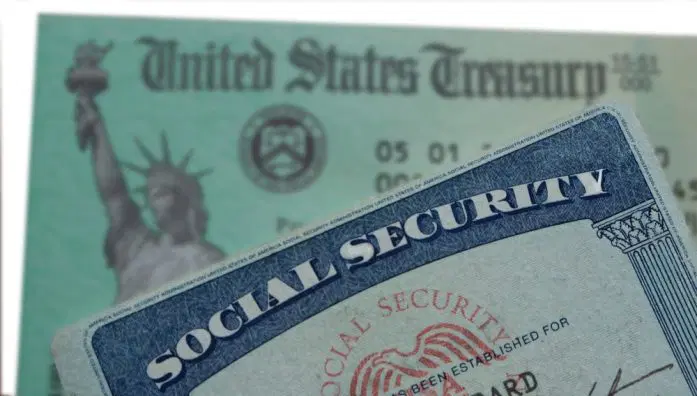
Why Some Retirees Are Getting Stuck In Social Security Payment Limbo
(MENAFN- Free Financial Advisor) A social security card and check behind it – Shutterstock
Retirement should bring financial stability, not confusion at the mailbox or bank account. Yet across the United States, some retirees face unexpected delays, missing deposits, or frozen Social Security payments that throw carefully planned budgets into chaos. These disruptions do not just cause inconvenience-they can trigger missed rent payments, delayed prescriptions, and rising stress for people on fixed incomes. The Social Security Administration processes millions of payments each month, but even small errors in data or timing can create ripple effects. Understanding what causes these delays helps retirees protect their income and reduce financial risk.
Many of these issues come from system updates, identity verification checks, or banking mismatches that quietly stall payments. A retiree may assume everything looks fine on their end while a backend issue blocks the transfer. In some cases, retirees only discover the problem after their expected deposit fails to arrive.
Banking Errors and Direct Deposit Mismatches Can Freeze PaymentsBanking issues rank among the most common reasons Social Security payments get delayed or suspended. A single incorrect account number or routing change can stop a monthly deposit without warning. Financial institutions also merge, rebrand, or update systems, which can cause old account details to become invalid. When that happens, the Social Security Administration may flag the payment and hold it until verification completes.
Even small mistakes create big delays. A retiree who switches banks without updating records may wait weeks for funds to reroute correctly. The SSA requires accurate and verified banking details before releasing funds again, which slows the process even further. Some retirees only notice the issue after their bills start stacking up, forcing urgent calls to both the bank and federal offices. This chain reaction shows how one administrative detail can disrupt an entire financial plan.
Identity Verification Holds Are Increasing for Security ReasonsSecurity checks now play a bigger role in Social Security payment delays than ever before. The Social Security Administration uses automated systems to confirm identity changes, address updates, or suspicious account activity. These safeguards protect against fraud, but they also create unexpected pauses for legitimate retirees. A simple mismatch between records and updated personal information can trigger a temporary hold.
Retirees often experience delays after moving, changing phone numbers, or updating legal documents. The system may flag the account until it confirms consistency across all databases. That verification process can take days or even weeks depending on the complexity of the case. During that time, payments remain suspended even if no actual fraud exists. This growing reliance on automated checks highlights the tension between security and convenience in federal benefit systems.
Processing Backlogs and Staffing Strains Slow Down ResolutionsAdministrative delays inside the Social Security system also contribute to payment limbo. Offices handle high volumes of claims, updates, and corrections every month, and staffing shortages stretch processing times even further. When errors occur, workers must manually review cases, which adds additional waiting time. That backlog creates a domino effect across thousands of pending payments.
Retirees often feel the impact during peak periods, such as the beginning of the year or after major policy updates. During those times, even simple fixes take longer to resolve. A corrected file may sit in a queue for weeks before approval. This delay does not reflect a loss of benefits, but it still interrupts financial stability. The system prioritizes accuracy, but that accuracy sometimes comes at the cost of speed.
Technical Glitches and System Updates Disrupt Monthly DepositsTechnology plays a major role in Social Security payment distribution, and that creates its own risks. System upgrades, database migrations, and software patches occasionally introduce temporary errors. When those updates occur, payment files may not process correctly, leading to missing or delayed deposits. Even brief outages can affect thousands of retirees at once.
Some retirees also experience issues when automated systems fail to sync updated records across platforms. That disconnect can cause duplicate flags, incorrect holds, or rejected transfers. Although engineers usually fix these issues quickly, retirees still feel the financial strain during the downtime. These technical hiccups highlight how dependent modern retirement income has become on complex digital systems. Even a short disruption can create real-world consequences for people relying on every dollar.
How Retirees Can Protect Themselves From Payment DelaysRetirees can take proactive steps to reduce the risk of Social Security payment disruptions. Keeping banking details current with the Social Security Administration helps prevent unnecessary holds. Regularly reviewing account information also ensures that no outdated data lingers in the system. Simple updates often prevent weeks of frustration later.
Monitoring payment schedules also helps retirees catch problems early. A missed deposit should trigger immediate action through both the bank and the SSA. Keeping copies of recent benefit statements, personal identification documents, and contact records can speed up resolution times. Many retirees also benefit from setting up alerts through their banks to track incoming deposits in real time. These small habits create a stronger safety net around monthly income.
What Retirees Should Remember About Social Security Payment DelaysSocial Security payment limbo rarely happens without a reason, even if that reason stays hidden behind layers of bureaucracy or technology. Banking mismatches, identity checks, staffing delays, and system glitches all play a role in disrupting payments. Each issue carries its own fix, but resolution often takes time and patience. Retirees who stay alert to changes and maintain accurate records reduce their chances of getting caught in these delays.
What steps do you think would make Social Security payments more reliable for retirees?

Legal Disclaimer:
MENAFN provides the
information “as is” without warranty of any kind. We do not accept
any responsibility or liability for the accuracy, content, images,
videos, licenses, completeness, legality, or reliability of the information
contained in this article. If you have any complaints or copyright
issues related to this article, kindly contact the provider above.
Most popular stories
Market Research

More Story







Comments
No comment