




403
Sorry!!
Error! We're sorry, but the page you were looking for doesn't exist.
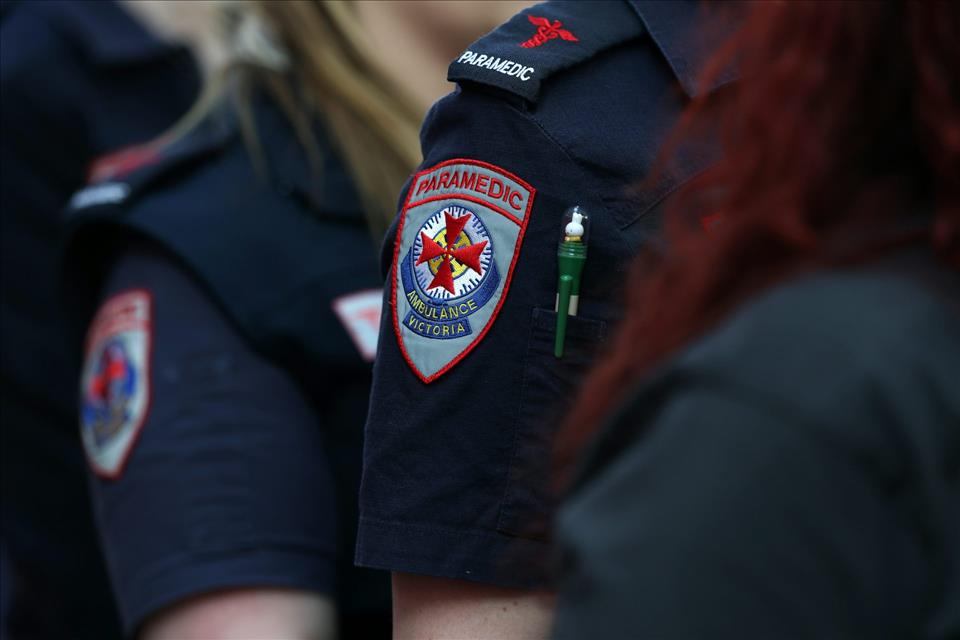
Paramedics Are Facing More Danger On The Job. Here's How To Protect Them
Author: Erin Smith
(MENAFN- The Conversation) Paramedics face the threat of violence every day.

Just this past month, two Victorian paramedics were assaulted. One was stabbed and another pregnant paramedic punched after saving a patient's life.
Authorities warn these incidents are part of an“appalling trend” of escalating violence against paramedics.
And they're a reminder that violence against paramedics is not a rare or unpredictable event, but a routine occupational risk. And research suggests this risk is rising.
So what makes their job so dangerous? And how can we better protect them?
A dangerous professionResearch shows paramedics face some of the highest rates of workplace violence of any profession.
One Australian study found nearly 90% of paramedics have experienced workplace violence while delivering care. Verbal abuse is the most common kind, followed by intimidation, physical abuse, sexual harassment and sexual assault.
Paramedics may also be attacked with weapons, including knives and box cutters. Though less common, these acts of violence put paramedics at much greater risk of serious injury or even death.
Paramedics are frequently exposed to other risks, such as dog attacks and car accidents. They are also more likely to be trapped in unsafe private or public spaces, such as when attending domestic violence scenes.
Read more: Paramedics have one of Australia's most dangerous jobs - and not just because of the trauma they witness
Research suggests violence against paramedics is becoming more common around the world. In Victoria, one paramedic is assaulted every 15 hours on average. And in 2024–25 alone, Ambulance Victoria recorded 1,045 occupational violence incidents - equivalent to almost 17 incidents for every 100 staff.
Research shows female paramedics experience higher rates of occupational violence, particularly sexual harassment and intimidation. Given female paramedics make up just over half of the ambulance workforce, this is an urgent safety issue.
What's behind this trend?Research suggests there are multiple factors driving the surge in violence against paramedics.
One is the high rate of alcohol and drug abuse. Researchers observe a strong link between substance abuse and violent incidents against paramedics, particularly in overdose and emergency mental health cases.
Another factor is system pressures, such as long ambulance response times and crowded emergency departments. These pressures can make patients, family members and bystanders more agitated, and more likely to lash out at paramedics. Due to workforce shortages in some areas, paramedics may also be forced to treat complex cases or arrive at volatile scenes alone. This leaves them even more vulnerable to assault and other acts of violence.
Read more: Bad for patients, bad for paramedics: ambulance ramping is a symptom of a health system in distress
Not just physical violenceThese violent incidents take an immense psychological toll on paramedics. Research shows workplace violence is a key driver of burnout, anxiety and post traumatic stress disorder among paramedics.
Paramedics are also feeling less safe while on the job. A recent trial required New South Wales paramedics to wear body cameras while delivering care. It found frequent exposure to violence had a significant impact on how safe paramedics felt and how emotionally exhausted they were. Participants were also more likely to consider stepping back from frontline roles, or leaving the workforce altogether.
So protecting paramedics is not just about preventing harm, but also retaining a vital part of our emergency workforce.
Read more: Paramedics need more support to deal with daily trauma
So, what needs to change?To keep our paramedics safe, governments should:
- strengthen legal protections for paramedics, by ensuring assaults carry meaningful, enforceable penalties and intoxication or mental health crises are not routinely used to excuse violence
train paramedics to de-escalate volatile situations, assess risks and deliver trauma-informed care, and make this training continuous instead of a once-off
improve communication between paramedics, police and hospitals, to ensure key information gets to ambulance crews before they arrive at a sceneestablish a national database recording the prevalence and patterns of violence against paramedics, including incidents targeting students and early-career staff.
Ambulance services must also:
- provide ambulance services with better lighting, real-time communication systems and security personnel particularly when transferring patients to hospital
foster a workplace culture where reporting violence is encouraged and taken seriously, not dismissed as“part of the job”.
The public can also help protect our paramedics by:
- staying calm and giving paramedics space to do their job
following instructions from paramedics
discouraging aggressive behaviour from otherscalling triple-0 if violence is escalating, so police can be sent in to support paramedics.
Read more: The Bondi Beach terror attack mobilised a team of volunteer medics. Here's what we learned
Institution:La Trobe University

Legal Disclaimer:
MENAFN provides the
information “as is” without warranty of any kind. We do not accept
any responsibility or liability for the accuracy, content, images,
videos, licenses, completeness, legality, or reliability of the information
contained in this article. If you have any complaints or copyright
issues related to this article, kindly contact the provider above.
Most popular stories
Market Research

More Story







Comments
No comment