




403
Sorry!!
Error! We're sorry, but the page you were looking for doesn't exist.
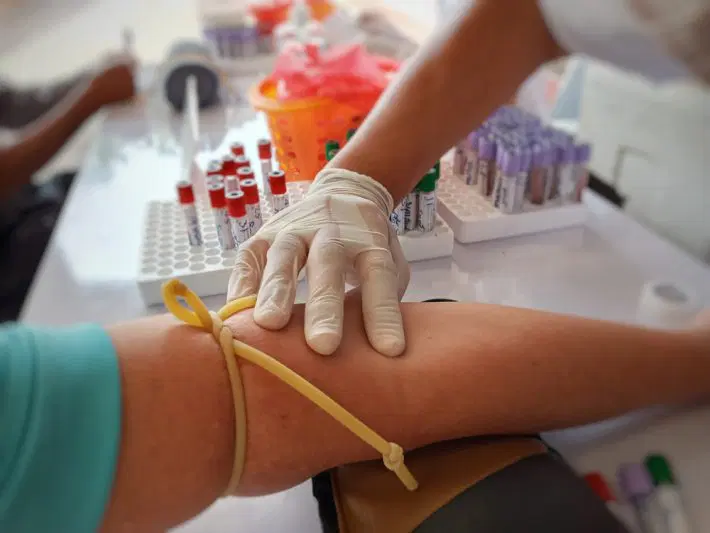
7 Inflammation Markers Standard Blood Panels Often Miss After Age 50
(MENAFN- Saving Advice) Many adults over 50 go to annual checkups believing their routine bloodwork tells the full story about their health. The problem is that standard blood panels often focus on cholesterol, glucose, kidney function, and basic blood counts while overlooking several inflammation markers linked to aging-related disease. Doctors and researchers increasingly warn that chronic low-grade inflammation - sometimes called“inflammaging” - may quietly contribute to heart disease, diabetes, arthritis, memory decline, and even certain cancers. Some people feel perfectly fine while hidden inflammation slowly damages blood vessels, joints, and organs over time. Here are seven inflammation markers standard blood panels tend to miss (especially if you're older than 50).1. High-Sensitivity C-Reactive Protein (hs-CRP)
One of the most important inflammation markers doctors often skip during routine testing is high-sensitivity C-reactive protein, commonly called hs-CRP. This blood test measures low-grade inflammation that may increase the risk of heart attack, stroke, and other chronic illnesses even when standard cholesterol numbers appear normal. Researchers have found that elevated CRP levels are closely associated with aging-related inflammation and cardiovascular disease risk. Unlike a standard CRP test used for acute infections, hs-CRP can detect subtle inflammation that develops slowly over time. Many adults over 50 never realize this inflammation marker exists until a cardiologist specifically orders it after another health concern appears.
2. Interleukin-6 (IL-6)Interleukin-6, usually shortened to IL-6, is a cytokine involved in the body's inflammatory response. Studies show IL-6 levels naturally tend to rise with age, but excessively high levels may be associated with frailty, cardiovascular disease, cognitive decline, and diabetes. This inflammation marker is rarely included in standard blood panels because it is considered more specialized testing. Researchers studying aging frequently use IL-6 because it appears strongly connected to chronic low-grade inflammation in older adults. For people over 50 experiencing unexplained fatigue, muscle loss, or worsening inflammatory conditions, IL-6 sometimes provides a more detailed picture than routine lab work alone.
3. Homocysteine LevelsMany people do not realize elevated homocysteine may signal increased inflammation and cardiovascular risk. Homocysteine is an amino acid that can rise when the body lacks sufficient B vitamins or when inflammation affects metabolic processes. Doctors sometimes order this inflammation marker for patients with unexplained cardiovascular concerns, stroke risk, or memory problems. Elevated homocysteine has also been linked to damage involving blood vessels and cognitive decline in aging adults. While not every elevated result indicates serious disease, this inflammation marker can sometimes reveal risks that traditional cholesterol testing misses entirely.
4. Erythrocyte Sedimentation Rate (ESR)The erythrocyte sedimentation rate, commonly called ESR or“sed rate,” measures how quickly red blood cells settle in a test tube over time. Faster sedimentation can indicate inflammation somewhere in the body, even when symptoms remain mild or vague. Doctors frequently use ESR to evaluate inflammatory diseases like rheumatoid arthritis, autoimmune disorders, or chronic infections. However, many standard wellness blood panels do not automatically include this inflammation marker unless specific symptoms are reported beforehand. For adults over 50 dealing with persistent aches, headaches, fatigue, or unexplained pain, ESR testing may sometimes uncover inflammatory activity missed by routine labs.
5. Ferritin Can Reveal More Than Iron LevelsMost people associate ferritin strictly with iron storage, but ferritin can also function as an inflammation marker. Elevated ferritin sometimes reflects chronic inflammatory activity, liver disease, metabolic syndrome, or immune system stress instead of simply excess iron. Researchers have increasingly linked abnormal ferritin levels with chronic inflammatory conditions common in older adults. Because ferritin is often only checked when anemia is suspected, some adults never learn their elevated level may point toward broader inflammation issues. Doctors usually interpret ferritin alongside other inflammation markers to determine whether additional testing may be necessary.
6. Fibrinogen and Blood Vessel InflammationFibrinogen is a blood-clotting protein that also rises during inflammatory states. Elevated fibrinogen levels may increase the risk of blood clots, stroke, and cardiovascular disease, especially in older adults already dealing with hypertension or diabetes. Medical experts note that fibrinogen is heavily influenced by inflammatory cytokines like IL-6 and TNF-alpha. Despite its importance, fibrinogen is not routinely included in standard annual bloodwork for most adults over 50. Some preventive cardiologists use this inflammation marker to better understand hidden cardiovascular risk in patients who otherwise appear healthy on traditional screening tests.
7. Tumor Necrosis Factor-Alpha (TNF-Alpha)Tumor necrosis factor-alpha, commonly called TNF-alpha, is another inflammatory cytokine linked to chronic disease and aging. Researchers studying inflammaging have identified TNF-alpha as one of the major drivers behind persistent low-grade inflammation in older adults. Elevated TNF-alpha levels have been associated with arthritis, autoimmune disease, insulin resistance, and functional decline with aging. This inflammation marker is usually ordered only when doctors suspect autoimmune or inflammatory disorders because testing tends to be more specialized and expensive. Still, many longevity researchers believe TNF-alpha may eventually become more common in preventive health screening as understanding of aging-related inflammation continues evolving.
Paying Attention to Inflammation Could Change Healthy AgingThe reality is that standard bloodwork often provides only part of the picture after age 50. Hidden inflammation may quietly affect the heart, brain, joints, and metabolism long before obvious symptoms appear. That does not mean everyone needs every specialized test, but understanding these inflammation markers can help older adults ask smarter questions during medical appointments. Lifestyle habits like better sleep, exercise, weight management, smoking cessation, and anti-inflammatory diets may also help reduce chronic inflammation over time.
Have you ever asked your doctor about inflammation markers beyond routine bloodwork, or discovered something important through additional testing?

Legal Disclaimer:
MENAFN provides the
information “as is” without warranty of any kind. We do not accept
any responsibility or liability for the accuracy, content, images,
videos, licenses, completeness, legality, or reliability of the information
contained in this article. If you have any complaints or copyright
issues related to this article, kindly contact the provider above.
Most popular stories
Market Research

More Story








Comments
No comment