




403
Sorry!!
Error! We're sorry, but the page you were looking for doesn't exist.
The Currency Of Confidence: Institutional Trust In An Uncertain World
(MENAFN- Khaleej Times) The writer is Deputy Chief Executive Officer of KPMG Middle East
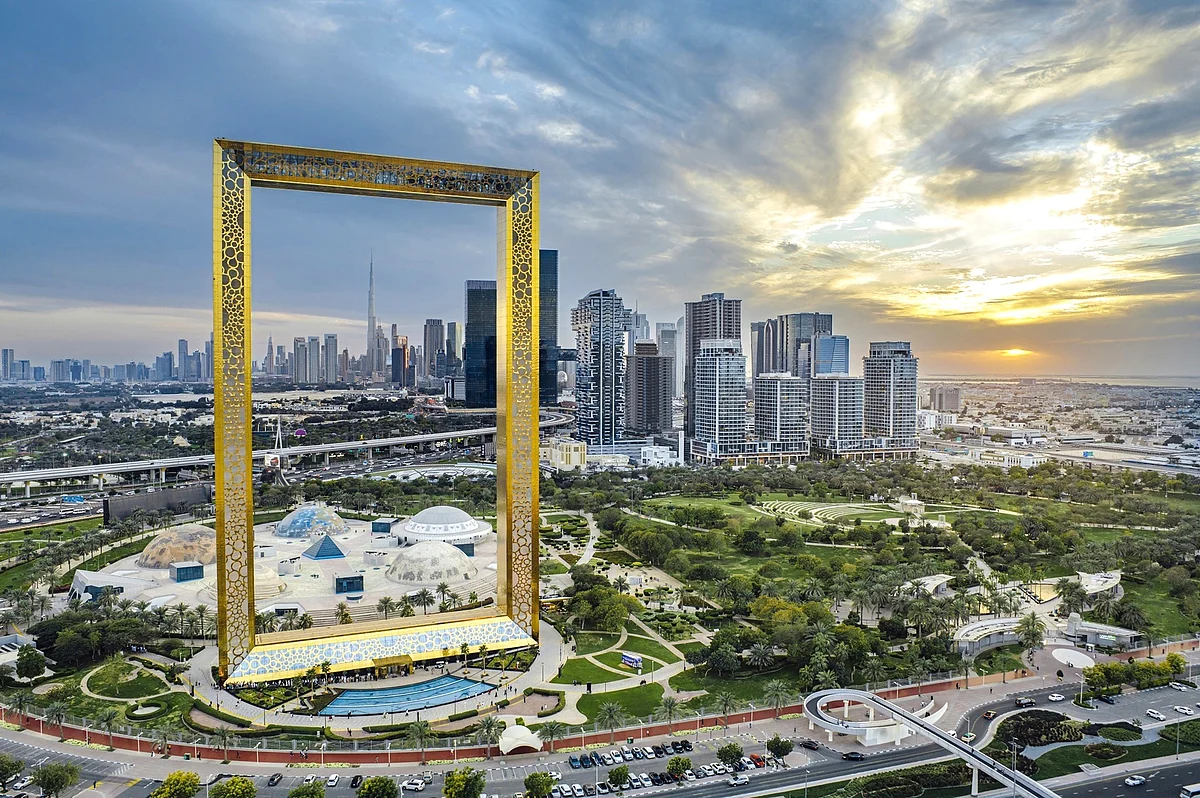
At times of uncertainty, institutional trust becomes visible in real time. Across the Gulf, recent developments have highlighted how governments with strong regulatory frameworks, transparent communication, and coordinated decision-making are able to sustain confidence even in a volatile environment. In the UAE, recent events have offered a clear illustration of this dynamic, as the government responds to escalating regional tensions while maintaining stability and continuity in daily life.
Recommended For YouTrust is rarely discussed as an economic indicator, yet it influences almost every decision made by investors, businesses, and individuals. Companies expand where institutions function predictably, where communication from authorities is clear, and where policy direction remains consistent even during periods of uncertainty. In that sense, trust acts as a form of economic infrastructure.
The UAE has spent decades building this foundation. Clear regulatory systems, responsive institutions, and an approach to governance that emphasises execution have created a level of confidence that extends well beyond financial markets. It is visible in how businesses plan long-term investments, how entrepreneurs launch new ventures, and how international professionals choose to build their careers and lives in the country.
Sheikh Mohammad bin Rashid Al Maktoum, Vice-President and Prime Minister of the UAE and Ruler of Dubai, said in his book Flashes of Thought:“To take risk and fail is not a failure. Real failure is to fear taking any risk.” This mindset has shaped a policy environment that prioritises action and adaptability. Over time, it has produced a system where national strategies are not simply announced but implemented with measurable progress.
Recent government reporting illustrated this execution capability in real time. The UAE has already achieved significant progress toward the goals outlined in the“We the UAE 2031” vision. For businesses and investors, this consistency reinforces a simple message: the country's long-term direction remains clear. When institutions demonstrate that commitments translate into results, confidence follows.
Recent developments in the region have also demonstrated how institutional systems function under pressure. During the latest escalation across parts of the Middle East, UAE authorities activated transparent and coordinated security, aviation, and emergency response protocols while maintaining continuity across economic activity and public services. Consistent and transparent communication with residents formed part of a broader operational response designed to provide clarity and prevent disruption. When institutions function in a predictable and reliable manner during moments of uncertainty, confidence tends to hold.
The distinction becomes clearer when viewed against global trends. In many economies, fragmented regulatory systems slow decision-making and create uncertainty for businesses. Around the world, competitiveness indicators increasingly show how difficult it can be to translate policy ambitions into effective implementation. The UAE has addressed this challenge by aligning national priorities with regulatory systems that operate consistently across sectors. This alignment provides organisations with clarity for planning and allows long-term strategies to remain stable even when external conditions fluctuate.
Professional services firms like KPMG support this system by providing data-driven expertise and sector insight that inform regulatory design and policy execution. Policymakers rely on data from industry to shape frameworks that perform consistently in practice. This collaboration shortens development cycles and allows national strategies to be translated into operational systems across key sectors. It also strengthens confidence in outcomes as decisions can be monitored, assessed and refined with a clear understanding of their impact. Trust grows when systems are transparent and predictable, and this is where the UAE demonstrates a distinctive advantage and where the UAE's superpower becomes most visible.
Trust is not an accessory to the country's development model. It is the framework that allows institutions to function predictably even during periods of geopolitical uncertainty. In moments like the present, when volatility shapes the wider region, this institutional trust becomes more than an abstract principle. It becomes the foundation that allows economic activity, public services, and long-term national strategies to continue with confidence.

Legal Disclaimer:
MENAFN provides the
information “as is” without warranty of any kind. We do not accept
any responsibility or liability for the accuracy, content, images,
videos, licenses, completeness, legality, or reliability of the information
contained in this article. If you have any complaints or copyright
issues related to this article, kindly contact the provider above.
Most popular stories
Market Research

More Story






Comments
No comment