




403
Sorry!!
Error! We're sorry, but the page you were looking for doesn't exist.
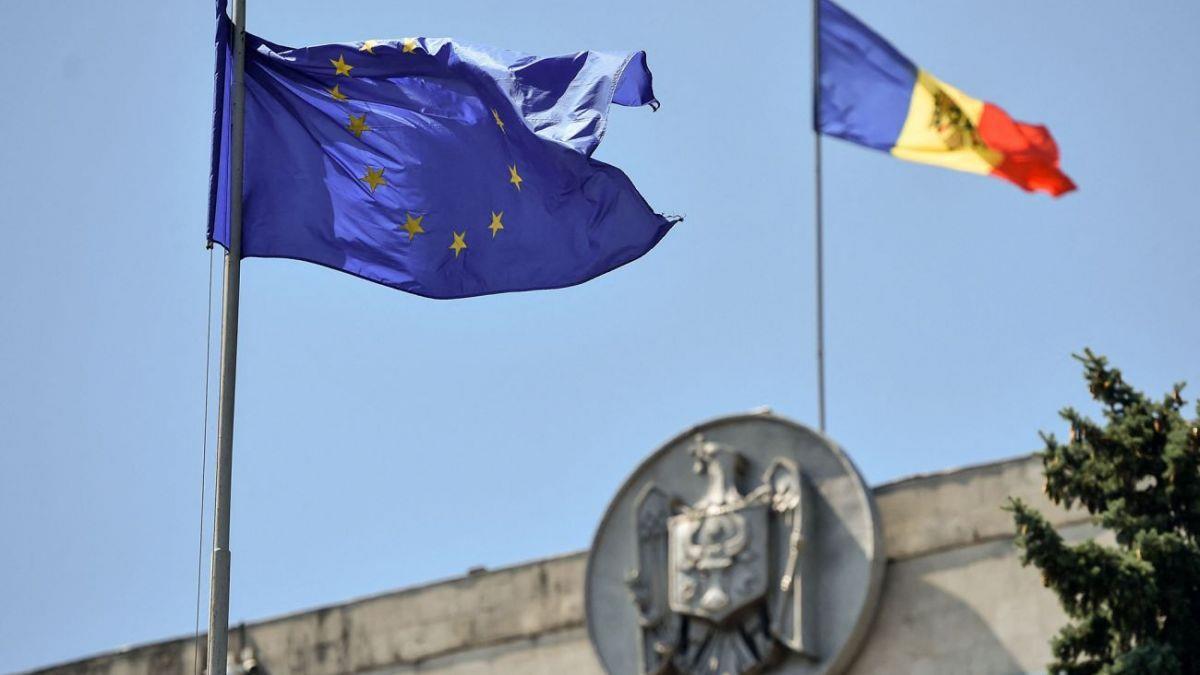
Moscow's Soft Power Rises Where Europe Looks Most Vulnerable
(MENAFN- AzerNews)
Ulviyya Poladova
Read more
Preliminary election results from Bulgaria indicate a decisive lead for the newly formed coalition "Progressive Bulgaria," reportedly headed by former President Rumen Radev.
According to data released by the Central Election Commission after more than 90% of ballots were counted, the coalition has secured approximately 44.7% of the vote, placing it well ahead of its competitors.
If confirmed, the results represent a significant shift in Bulgaria's political landscape, with "Progressive Bulgaria" achieving a lead of more than 30 percentage points over its nearest rival. Analysts suggest that such a margin could give the coalition a strong mandate to form a government, although coalition-building may still be required depending on parliamentary seat distribution.
The strong performance of the coalition has reignited public and political discussion about the decade-long influence of Rumen Radev in Bulgarian politics. During his presidency, Radev has been widely described as maintaining a cautious stance toward European Union policy, often emphasizing the importance of dialogue with Russia.
He has also taken a relatively restrained position regarding military assistance to Ukraine, a topic that has divided political opinion within Bulgaria and across the EU.
In 2025, Radev drew further attention after proposing a national referendum on Bulgaria's adoption of the euro. He argued that such a major economic decision should be made directly by citizens, reflecting ongoing debates within the country about deeper integration into the Eurozone.
During the election campaign, Radev compared himself to former Hungarian Prime Minister Viktor Orban when he talked about improving relations with Moscow and resuming the free flow of Russian oil and gas to Europe. Radev also criticized the European Union for excessive dependence on renewable energy sources.
At the same time, Radev has sought to reassure European partners. He has pledged not to use Bulgaria's veto power to block future decisions within the European Union and has consistently rejected claims of alignment with the Kremlin. Analysts note that while he emphasizes national sovereignty and strategic flexibility, he has remained deliberately ambiguous on specific foreign policy commitments.
In what appeared to be an effort to calm concerns about a potential geopolitical shift, Radev's close associate Slavi Vassilev recently stressed that Bulgarians do not seek closer ties with Russia, but instead support continued active participation in both NATO and the EU.
European diplomats also appear relatively unconcerned about Bulgaria becoming a disruptive force within the bloc. They do not expect Radev to follow the path of Viktor Orbán, Hungary's long-serving prime minister known for his pro-Moscow rhetoric and clashes with Brussels.
One of the central questions emerging from this context is why pro-Russian or Russia-leaning populism appears to be regaining traction in parts of Eastern Europe. The answer is complex and multifaceted. Economic pressures, including inflation and stagnating living standards, have created fertile ground for political actors who challenge existing policy frameworks. Migration concerns and the lingering effects of regional instability, particularly in relation to the ongoing war in Ukraine, have further contributed to a sense of uncertainty among voters.
Within this environment, some experts argue that Russia is adapting its approach to influence, focusing less on direct confrontation and more on indirect political engagement. This strategy, often summarized as "winning elections rather than wars," suggests an emphasis on leveraging democratic processes, media narratives, and political alliances to shape outcomes in ways that align with its interests.
For the European Union, developments in Bulgaria raise important questions about cohesion and policy consistency. If a member state were to significantly adjust its foreign policy orientation, this could have implications for collective decision-making on key issues such as sanctions, energy policy, and relations with Ukraine. Similarly, the unity of NATO could be affected if member states diverge in their strategic outlooks or levels of commitment.
Credit: Jaap Arriens/NurPhoto via Getty Images

Legal Disclaimer:
MENAFN provides the
information “as is” without warranty of any kind. We do not accept
any responsibility or liability for the accuracy, content, images,
videos, licenses, completeness, legality, or reliability of the information
contained in this article. If you have any complaints or copyright
issues related to this article, kindly contact the provider above.
Most popular stories
Market Research

More Story




Comments
No comment