




403
Sorry!!
Error! We're sorry, but the page you were looking for doesn't exist.
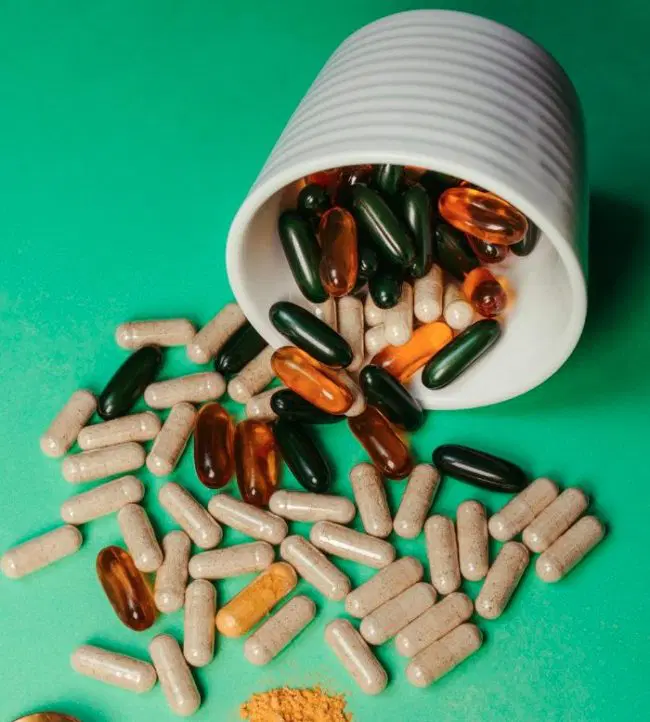
Doctors Warn: Some Popular Supplements May Do More Harm Than Good After 40
(MENAFN- Budget and the Bees) As we age, maintaining good health becomes more intentional, and many people turn to supplements as a convenient solution. Shelves are packed with vitamins, herbs, and“natural” remedies promising everything from better energy to sharper memory. But here's the catch-what works in your 20s and 30s doesn't always benefit you after 40. In fact, doctors are increasingly warning that some popular supplements may do more harm than good as your body changes. Understanding which ones to approach with caution can help you make smarter, safer choices for your long-term health.High-Dose Vitamin A: More Isn't Always Better
Vitamin A is essential for vision, immune function, and skin health, but excessive intake can quickly become toxic. After 40, your liver may not process high doses as efficiently, increasing the risk of buildup in the body. This can lead to symptoms like dizziness, nausea, joint pain, and even liver damage over time. Many people unknowingly consume too much through a combination of supplements and fortified foods. Doctors recommend sticking to the recommended daily allowance unless specifically advised otherwise by a healthcare professional.
Calcium Supplements Without Vitamin D BalanceCalcium is often marketed as a must-have for bone health, especially for aging adults. However, taking calcium supplements without proper vitamin D levels can lead to poor absorption and potential complications. Studies suggest that excess calcium may contribute to kidney stones and even cardiovascular issues in some individuals. After 40, the body becomes less efficient at regulating calcium, making balance even more important. Instead of relying solely on supplements, experts encourage getting calcium from food sources and ensuring adequate vitamin D intake.
Iron Supplements When Not DeficientIron is vital for oxygen transport in the blood, but taking it unnecessarily can be harmful. Many adults over 40, particularly men and postmenopausal women, do not need additional iron unless diagnosed with a deficiency. Excess iron can accumulate in organs, leading to oxidative stress and increased risk of chronic diseases. Symptoms of iron overload can be subtle at first, making it harder to detect early. Doctors strongly advise getting a blood test before starting any iron supplement to avoid unnecessary risks.
Herbal Supplements with Hidden RisksHerbal supplements like ginseng, ginkgo biloba, and St. John's wort are often seen as“safe” because they're natural. However, these can interact with medications commonly prescribed after 40, such as blood pressure or cholesterol drugs. Some herbs can affect blood clotting, hormone levels, or liver function in unpredictable ways. The lack of strict regulation in the supplement industry also means quality and dosage can vary widely. Always discuss herbal supplements with your doctor to ensure they won't interfere with your existing treatments.
Testosterone Boosters and Hormonal SupplementsTestosterone boosters are heavily marketed to men over 40 looking to regain energy and vitality. While declining hormone levels are natural with age, self-prescribing these supplements can disrupt the body's delicate hormonal balance. Some products may contain unregulated ingredients that pose risks to heart health and prostate function. Women taking hormonal supplements without guidance can also experience unwanted side effects. Medical supervision is essential before considering any hormone-related supplement to avoid long-term complications.
Antioxidant MegadosesAntioxidants like vitamin C and vitamin E are known for fighting free radicals and supporting overall health. However, taking them in excessive amounts may actually interfere with the body's natural defense systems. Research suggests that high doses could reduce the benefits of exercise and even increase certain health risks. After 40, the body benefits more from a balanced intake rather than extreme supplementation. A diet rich in fruits and vegetables often provides all the antioxidants you need without the downsides.
Smarter Supplement Choices After 40Supplements can play a role in supporting health, but they are not a one-size-fits-all solution-especially after 40. Your body's needs change, and what once seemed harmless can carry unexpected risks. The key is to focus on balance, moderation, and personalized guidance from a healthcare professional. Prioritizing whole foods, regular check-ups, and targeted supplementation when necessary is a safer, more effective approach. By staying informed, you can protect your health and make decisions that truly support your well-being.
Have you ever taken a supplement that didn't work the way you expected-or even caused side effects? What changes have you made to your health routine after 40? Share your experience in the comments below and let's start a conversation about smarter health choices. Your insights could help someone else avoid common mistakes and make better decisions for their well-being.

Legal Disclaimer:
MENAFN provides the
information “as is” without warranty of any kind. We do not accept
any responsibility or liability for the accuracy, content, images,
videos, licenses, completeness, legality, or reliability of the information
contained in this article. If you have any complaints or copyright
issues related to this article, kindly contact the provider above.
Most popular stories
Market Research

More Story








Comments
No comment