







403
Sorry!!
Error! We're sorry, but the page you were looking for doesn't exist.
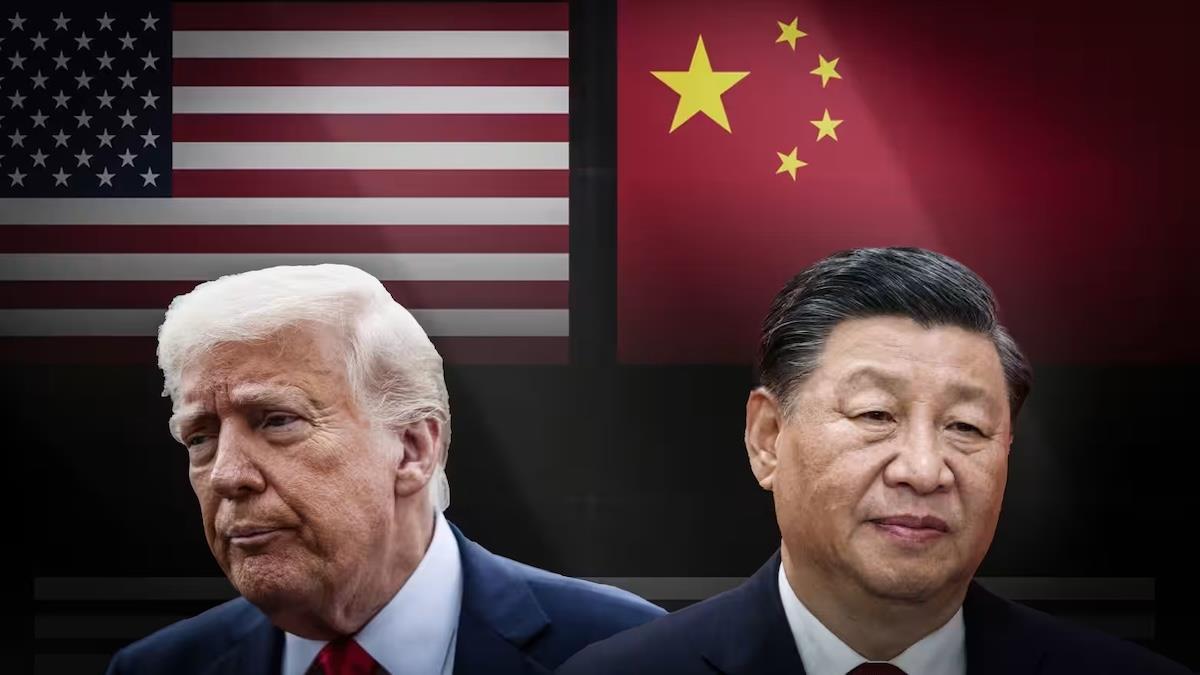
The Iran War Doesn't Immediately Jeopardize Taiwan
(MENAFN- Asia Times)
Originally published by Pacific Forum, this article is republished with permission.
Ramifications of the US/Israeli military campaign against Iran reverberate around the world, including in Asia. The indirect effects of this conflict are particularly relevant for the defense of Taiwan against a possible military attack by China.
There are two important questions here, and the first is how the Iran war affects the likelihood that the US would intervene to help defend Taiwan.
Most of the criticism of the US military campaign against Iran is that it was overly aggressive – that the Americans were too impatient to wait for negotiations with the Iranian government to their run their course, that Iran posed no imminent threat to the US that would justify the attack, that Washington did not consult with US allies beforehand and that the US leadership failed to take sufficient account of Iran's ability to continue to fight back despite the severe degradation of its armed forces.
Taiwan's most immediate concern, however, is whether Washington is aggressive enough to send US forces into battle in the defense of Taiwan, as opposed to choosing to stay out of a cross-Strait war.
Many observers have characterized Trump's foreign policy approach as isolationism. Various commentators, including Temple University Tokyo campus Professor Robert Dujarric, former US National Security Advisor John Bolton and The Guardian foreign affairs analyst Simon Tinsdall, have specifically opined that Trump wants to stay out of a war in Asia more than he wants to prevent China from taking over Taiwan.
China, of course, would be a far tougher adversary than Iran, so a willingness to bomb Iran does not equal a willingness to fight China. At minimum, however, the Iran war shows this president does not rule out sending a large number of US forces into battle far abroad – i.e., outside the Western Hemisphere.
China's approach could be called cautious-aggressive: probing first and then advancing only if opposition is light, in the fine tradition of the guidance often attributed to Josef Stalin or Vladimir Lenin:“If you hit mush, keep going; if you hit steel, pull back.”
To the Chinese, who prefer gray zone tactics, Trump's actions – the surgical strike to kill Quds Force commander Qasem Soleimani (during Trump's first term), the abduction of Venezuela's president from a military compound in Venezuela, the blockade of Cuba's oil supply, the bombardment of Iran and discussions about seizing Greenland – are shockingly bold.
In light of these episodes, it is difficult if not impossible for the Chinese to conclude with confidence that the US would not intervene militarily in defense of Taiwan.
This leads to the second important question: how the Iran war affects the likelihood that China will decide to attack Taiwan.

Legal Disclaimer:
MENAFN provides the
information “as is” without warranty of any kind. We do not accept
any responsibility or liability for the accuracy, content, images,
videos, licenses, completeness, legality, or reliability of the information
contained in this article. If you have any complaints or copyright
issues related to this article, kindly contact the provider above.
Most popular stories
Market Research

More Story






Comments
No comment