


Netanyahu Signals Continued War on Iran


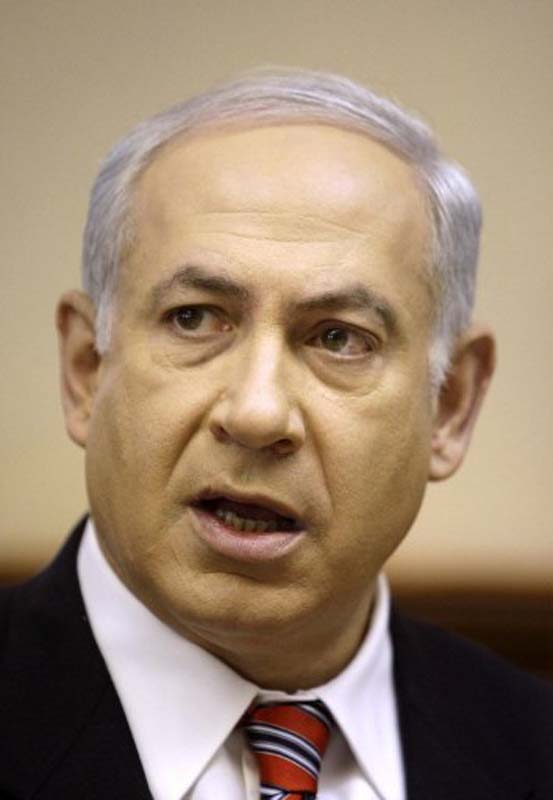
(MENAFN) Israeli Prime Minister Benjamin Netanyahu pledged on Saturday that the military confrontation with Iran will persist, asserting that Israel possesses “a plan full of surprises” aimed at weakening the leadership in Tehran.
His remarks suggested that the Israeli government intends to sustain pressure on Iran while pursuing strategies designed to destabilize the Iranian regime.
During a press briefing, Netanyahu stated that Israel is prosecuting the conflict with Iran at full intensity.
He emphasized that the country remains determined to maintain its campaign and continue military operations as part of what he described as a broader effort to confront regional threats.
The prime minister also declared that “Israel has changed the face of the Middle East as promised after the events of Oct. 7, and it has also changed itself.” According to Netanyahu, the aftermath of those events reshaped both Israel’s regional role and its internal posture, prompting a transformation in its security and political outlook.
Netanyahu further argued that he had made difficult and high-risk decisions intended to dismantle Israel’s adversaries. He portrayed these choices as necessary steps to safeguard national security and counter forces that threaten the country.
On Oct. 7, 2023, Hamas along with other Palestinian groups initiated the Al-Aqsa Flood operation, striking 11 Israeli military installations and 22 settlements. The groups said the offensive was meant to break the blockade imposed on the Gaza Strip and block Israeli plans to erase the Palestinian cause. In retaliation, Tel Aviv began a devastating military campaign against the Palestinian territory that lasted for two years and was widely described as genocidal.
A ceasefire accord was eventually finalized in October 2025. However, after the truce came into force, the Israeli military was repeatedly accused of breaching the agreement through bombardment and gunfire.
Beginning Feb. 28, Israel and the United States intensified attacks on Iran, resulting in the deaths of hundreds of people, among them Supreme Leader Ali Khamenei and multiple security officials. Tehran responded by launching waves of missiles and drones targeting Israel.
Iran has also struck American-linked sites in Gulf states and Jordan using missiles and drones.
Several of those strikes caused casualties, wounded civilians, and damaged infrastructure, prompting strong criticism from the affected Arab nations, which called for an immediate halt to the assaults.
His remarks suggested that the Israeli government intends to sustain pressure on Iran while pursuing strategies designed to destabilize the Iranian regime.
During a press briefing, Netanyahu stated that Israel is prosecuting the conflict with Iran at full intensity.
He emphasized that the country remains determined to maintain its campaign and continue military operations as part of what he described as a broader effort to confront regional threats.
The prime minister also declared that “Israel has changed the face of the Middle East as promised after the events of Oct. 7, and it has also changed itself.” According to Netanyahu, the aftermath of those events reshaped both Israel’s regional role and its internal posture, prompting a transformation in its security and political outlook.
Netanyahu further argued that he had made difficult and high-risk decisions intended to dismantle Israel’s adversaries. He portrayed these choices as necessary steps to safeguard national security and counter forces that threaten the country.
On Oct. 7, 2023, Hamas along with other Palestinian groups initiated the Al-Aqsa Flood operation, striking 11 Israeli military installations and 22 settlements. The groups said the offensive was meant to break the blockade imposed on the Gaza Strip and block Israeli plans to erase the Palestinian cause. In retaliation, Tel Aviv began a devastating military campaign against the Palestinian territory that lasted for two years and was widely described as genocidal.
A ceasefire accord was eventually finalized in October 2025. However, after the truce came into force, the Israeli military was repeatedly accused of breaching the agreement through bombardment and gunfire.
Beginning Feb. 28, Israel and the United States intensified attacks on Iran, resulting in the deaths of hundreds of people, among them Supreme Leader Ali Khamenei and multiple security officials. Tehran responded by launching waves of missiles and drones targeting Israel.
Iran has also struck American-linked sites in Gulf states and Jordan using missiles and drones.
Several of those strikes caused casualties, wounded civilians, and damaged infrastructure, prompting strong criticism from the affected Arab nations, which called for an immediate halt to the assaults.

Legal Disclaimer:
MENAFN provides the
information “as is” without warranty of any kind. We do not accept
any responsibility or liability for the accuracy, content, images,
videos, licenses, completeness, legality, or reliability of the information
contained in this article. If you have any complaints or copyright
issues related to this article, kindly contact the provider above.


Comments
No comment