




403
Sorry!!
Error! We're sorry, but the page you were looking for doesn't exist.
UAE Smes Poised To Power Ramadan E-Commerce Surge As Online Spending Accelerates
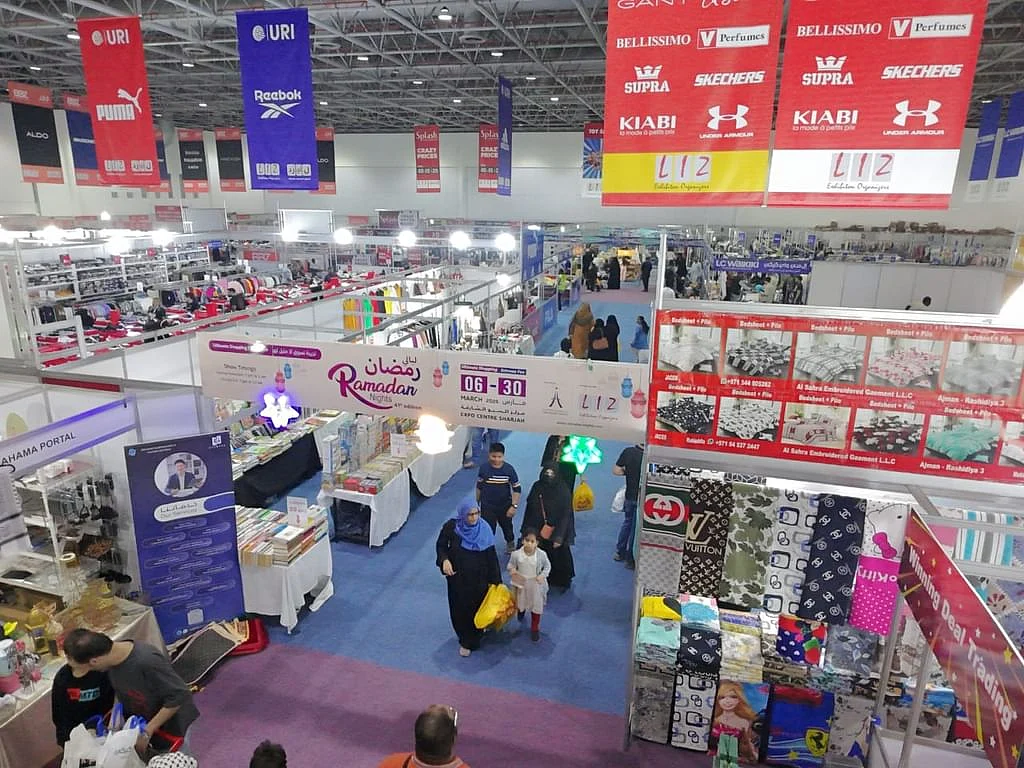
(MENAFN- Khaleej Times) Small and medium enterprises across the UAE are set to drive a strong surge in online retail activity during Ramadan 2026, as digital adoption, cultural spending patterns and a rapidly expanding e-commerce ecosystem converge to create one of the busiest trading seasons for local businesses.
SMEs remain the backbone of the UAE's diversification strategy, accounting for more than 94 per cent of all companies operating in the country and contributing over 63 per cent to the non-oil economy. With the government targeting the creation of one million SMEs by 2031 - a projected rise of nearly 79.5 per cent - the sector is expected to play an even larger role in supporting growth across retail, services and digital commerce.
Recommended For YouThe UAE has also committed around $8.7 billion in investments and support initiatives to strengthen entrepreneurship and innovation, helping smaller enterprises scale through digital platforms and cross-border trade. Analysts say this support is translating into measurable gains, particularly during peak shopping periods such as Ramadan.
According to recent market data, seasonal demand has already begun building ahead of the Holy Month, with noticeable growth in online gifting and food-related purchases from early February. Order volumes rose by as much as 30 per cent while gross merchandise value increased by up to 40 per cent compared with January levels, driven by early corporate gifting and family preparations.
By mid-February, the momentum accelerated further. Order numbers surged 173 per cent and gross merchandise value climbed 195 per cent during the first two weeks alone. Over the full Ramadan period last year, online sales of local brands in the UAE rose by 203.7 per cent, while gift purchases increased by 152.8 per cent compared with the same period in 2024, underlining the growing importance of digital commerce for SMEs.
Industry observers say Ramadan has evolved into one of the most commercially significant periods for small businesses, particularly those offering culturally relevant and personalised products. Consumers are increasingly turning to local sellers, artisans and independent retailers for gifts and food items that reflect tradition and authenticity.
Flowwow, a gifting marketplace operating in the UAE, reported a sharp rise in demand for personalised and locally produced items during Ramadan 2025. Flower sales increased by 40 per cent, while sweets and treats rose by 57 per cent, led by handmade Arabic sweet sets, confectionery and edible gift arrangements. Premium food hampers and customised bouquets emerged as top choices for both personal and corporate gifting.
This trend is supported by broader consumer research. A YouGov Ramadan consumer survey found that shopping activity rises by around 46 per cent during the holy month, with groceries, daily essentials and gifts topping spending priorities. About 57 per cent of consumers focus on food and essentials, while 48 per cent prioritise gifting and hospitality-related purchases.
E-commerce specialists also note that Ramadan shopping behaviour follows a distinct daily rhythm. Online activity tends to slow during fasting hours but surges after iftar and late into the night, when families gather and browsing increases. Data from affiliate marketing platform Admitad shows gross merchandise value across the UAE rose about 20 per cent during Ramadan last year compared with the same period a year earlier, with mobile devices accounting for 47 per cent of online orders.
Beyond food and gifting, consumer spending during Ramadan spans multiple sectors. Fashion typically accounts for around 22 per cent of online purchases, followed by electronics at 15 per cent and home essentials at 14 per cent. Automotive-related items, children's products and beauty categories also record steady demand as households prepare for gatherings and Eid celebrations.
Retail analysts say SMEs have a structural advantage during Ramadan due to their ability to offer customised products and culturally relevant experiences. Local sellers often understand multicultural consumer preferences better than larger retailers and can respond quickly to shifting demand for personalised hampers, artisanal foods and bespoke gifts.
Sara Riadh, creative director at premium gourmet brand Casa Pons, said Ramadan remains the most important trading period for speciality food retailers.“Year after year we see at least a 50 per cent increase in sales, while gift baskets and hampers are usually nearly sold out,” she said.“These products resonate strongly because they reflect the cultural and social traditions of the season.”
Government initiatives to strengthen the digital economy are also amplifying SME growth. The UAE's advanced logistics infrastructure, widespread mobile usage and high internet penetration have created one of the region's most sophisticated e-commerce markets. According to industry estimates, around 65 per cent of shoppers in the UAE prefer domestic online platforms, citing faster delivery, trusted quality and emotional connection with local brands.
Market forecasts point to continued strong growth. Flowwow expects overall gross merchandise value across its UAE marketplace to double during the holy month, with demand for curated hampers and food-related items likely to rise by about 70 per cent.
Economists say this surge underscores the central role of SMEs in shaping the UAE's consumer economy.

Legal Disclaimer:
MENAFN provides the
information “as is” without warranty of any kind. We do not accept
any responsibility or liability for the accuracy, content, images,
videos, licenses, completeness, legality, or reliability of the information
contained in this article. If you have any complaints or copyright
issues related to this article, kindly contact the provider above.
Most popular stories
Market Research

More Story







Comments
No comment