




403
Sorry!!
Error! We're sorry, but the page you were looking for doesn't exist.
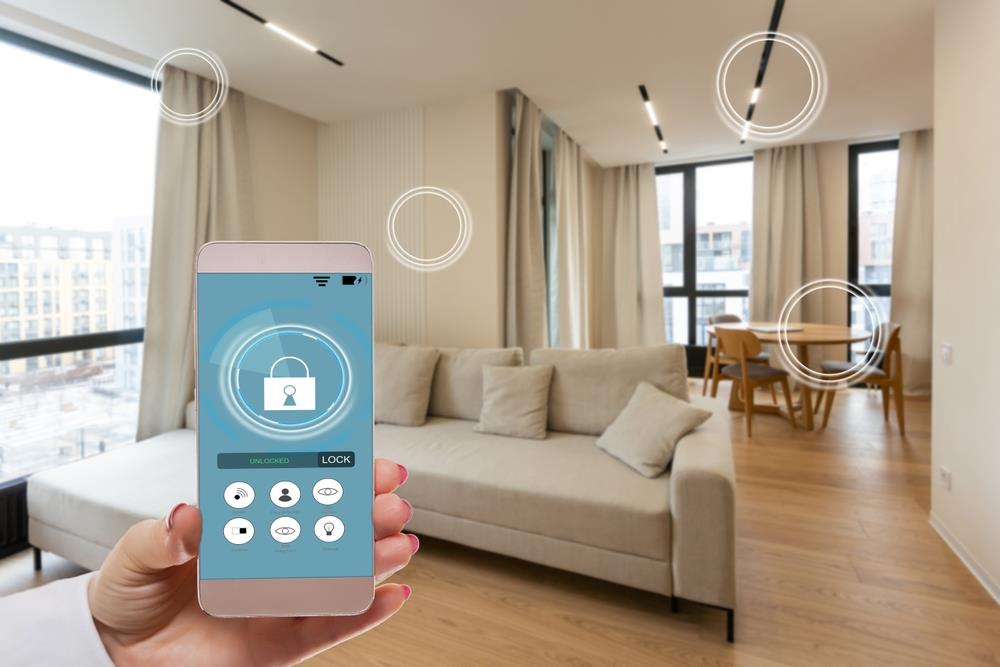
Why Your Smart Home Devices Are Quietly Increasing Your Utility Bill By $600 A Year
(MENAFN- Dinks Finance) Smart home gadgets promise lower costs and less effort, but a lot of couples end up paying more without realizing it. The problem isn't one device, it's the growing“always on” ecosystem that keeps sipping power, running updates, and nudging you into comfort-first habits. Add a few cameras, a streaming box, smart speakers, a mesh router, and a thermostat that's a little too cozy, and the math changes fast. The scary part is that the extra cost hides inside small daily choices, not one dramatic spike. If your utility bill keeps creeping up, your smart home might be a bigger reason than you think.1. Idle Power Adds Up Faster Than You Expect
Most smart devices never truly shut off because they're waiting for commands, syncing, or staying connected. That constant trickle is small per item, but it stacks when you have a dozen devices. Routers, hubs, streaming sticks, cameras, and speakers run 24/7, and you pay for every hour. Many people also add smart plugs and extra hubs, which feels“efficient” but reminds you that everything is powered all the time. A growing smart setup can quietly turn your utility bill into a subscription you didn't mean to buy.
2. Always-On Networking Equipment Runs Like A Mini Data CenterA basic router used to be enough, but smart homes often push people into mesh systems, extenders, and dedicated hubs. Those boxes draw power nonstop and generate heat, which can raise cooling needs in warmer months. Add network storage, a smart home controller, or a desktop left on for“automation,” and the baseline climbs again. You don't notice because each device seems harmless, but the stack becomes real money over a year. If your utility bill feels higher even when you“aren't using anything,” your network gear is a prime suspect.
3. Cameras And Doorbells Multiply The Cost With Cloud HabitsSecurity devices feel essential, but they often come with two costs: electricity and the behavior they encourage. Cameras run constantly, use infrared at night, and keep Wi-Fi busy, which pushes your system to stay fully active. They also nudge you into adding more devices for coverage, which creates a chain reaction of power use. Even without subscriptions, the hardware still draws energy all day. The more security devices you add, the more your utility bill can rise without any obvious“usage” moment.
4. Smart Thermostats Can Increase Comfort SpendingA smart thermostat can save money, but it can also make comfort too easy. When you can adjust the temperature from bed, you're more likely to bump it up“just for tonight.” Some people also turn on features like pre-heating, learning modes, or geofencing that don't match their actual routine. If the thermostat guesses wrong, it can heat or cool an empty home. This is how a smart system can quietly inflate a utility bill while still making you feel like you're optimizing.
5. Heated, Lit, And Automated Extras Expand Your BaselineOnce you start automating, it's tempting to add convenience devices like heated mattress pads, towel warmers, smart lighting scenes, and always-on diffusers. Each one seems small, but they run longer because automation removes friction. Motion-activated lights can stay on more than you realize, especially with pets or high-traffic hallways. Decorative outdoor lights can become a nightly habit because they're“scheduled,” not intentional. Convenience is awesome, but it can turn your utility bill into a lifestyle upgrade you didn't price out.
6. Streaming Boxes And Smart TVs Stay Awake More Than You ThinkSmart TVs, game consoles, and streaming devices love standby mode because it keeps them ready to start instantly. That readiness costs power, plus background updates and quick-start features keep systems semi-active. Some TVs also keep Wi-Fi awake for voice control or casting, even when the screen is off. If you have multiple TVs or consoles, the standby draw becomes noticeable over months. If you're serious about lowering your utility bill, the entertainment corner is an easy place to trim.
7.“Smart” Appliances Encourage More Frequent UseWhen appliances feel convenient, people use them more often. A smart washer that pings your phone makes it easy to run“one small load,” and a smart dishwasher can become a daily habit instead of an every-other-day choice. Smart ovens and air fryers make quick meals easier, which can increase cooking frequency and energy use. None of this is bad, but it changes the volume of energy-consuming behavior. Your utility bill reflects behavior first, and tech can quietly change behavior.
8. The Fix Is Boring: Measure, Reduce, And Automate The Right ThingsIf you want to know what's real, use a plug-in energy meter on the worst offenders and check standby draws. Then set rules: disable“quick start,” turn off unnecessary voice listening, and put non-essential devices on a power strip you actually switch off. Schedule smart thermostats based on your real routine instead of letting“learning” guess. Consolidate hubs and reduce redundant gear where you can. When you do that, your utility bill becomes intentional again instead of a slow leak.
The Smart-Home Reset That Actually Lowers CostsThe goal isn't to ditch smart devices, it's to stop paying for convenience you don't value. Start by identifying your baseline“always-on” load and cutting anything that doesn't meaningfully improve safety or comfort. Make your thermostat boring, your network simple, and your entertainment setup truly off when you're done. Keep the features that deliver clear value, and remove the rest like you would canceling unused subscriptions. If you treat your home like a system, you can keep the fun parts and still protect your utility bill.
Which smart device do you think is the biggest“silent spender” in your home right now?

Legal Disclaimer:
MENAFN provides the
information “as is” without warranty of any kind. We do not accept
any responsibility or liability for the accuracy, content, images,
videos, licenses, completeness, legality, or reliability of the information
contained in this article. If you have any complaints or copyright
issues related to this article, kindly contact the provider above.
Most popular stories
Market Research

More Story








Comments
No comment