





403
Sorry!!
Error! We're sorry, but the page you were looking for doesn't exist.
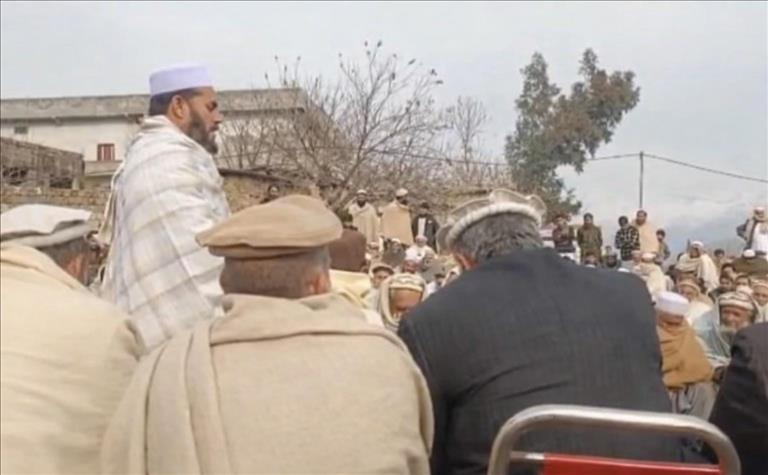
Grand Jirga In Bajaur Limits Mehr And Dowry, Promotes Simplicity In Marriages
(MENAFN- Tribal News Network) -->
A joint grand jirga of the Malakhel and Yousafkhel tribes from the Mamund section of Bajaur's Zagai Mamund tehsil was held, where important decisions regarding weddings, marriages, dowry, condolences, and other social customs were made.
The primary aim of the jirga was to promote simplicity in society and curb unnecessary expenses, especially in light of the current high inflation and the unusually high gold prices.
The jirga was attended by tribal elders, leaders, and religious scholars. Mufti Rahmatullah was unanimously appointed as the jirga's representative and briefed the media about its consensus decisions.
Decisions on Dower (Mehr), Dowry, and Wedding Ceremonies:
The jirga decided that the dower (mehr) in marriage will be limited to only one tola of gold. Any additional demands such as cash, vehicles, furniture, electrical appliances, or other items were deemed unjustified and objectionable. The dower will be agreed upon at the time of marriage, and the groom will pay it according to his financial capacity.
Regarding dowry, the jirga clarified that it is not mandatory. If the bride's parents wish to provide some items based on their means and wishes, it is permissible. However, using dowry as a condition or form of pressure is strictly prohibited.
Also Read: More Than a Phone: How iPhones Became a Status Symbol Among Youth
As for wedding celebrations, the jirga decreed a complete ban on dancing, music, drums, fireworks, gunfire, and unlawful gatherings of women. All wedding ceremonies should be simple and in accordance with Islamic Sharia, and attendance should be restricted to close relatives only.
The walima (reception) should also be simple and within the host's capacity, with no unnecessary show or elaborate arrangements. Separate lavish gatherings are also discouraged.
Decisions on Photography, Publicity, and Condolences:
The jirga prohibited photography, videography, display of political or religious personalities' photos, and posting on social media during weddings or mourning events.
Regarding condolences, repeated visits before funerals were deemed inappropriate. Condolences should be limited to three days, while phone calls are allowed. Large-scale arrangements for sweets, biscuits, or guest hosting during mourning are also prohibited.
Visiting the Sick and Implementation:
The jirga encouraged visiting the sick as a virtuous act but emphasized avoiding long stays and unnecessary crowds. It stated that all these decisions are based on the Quran and Sunnah and must be implemented by all tribes, families, and individuals in the area. Any violation will be brought back before the jirga for review.
Reaction from Women and Social Circles:
A local woman, speaking anonymously, welcomed the decision to simplify weddings and reduce extravagance, calling it positive. However, she stressed that the dower (mehr) is a woman's legal and Islamic right, and limiting it through collective decisions is not appropriate. According to her, the amount of mehr should be mutually agreed upon to ensure women's financial security.
Dr. Sadiya Anwar, head of the women's organization“Khoyando Tolgi,” expressed concerns over some jirga decisions. She stated that Islam repeatedly emphasizes giving women their rightful share of inheritance, yet in Bajaur, even prominent religious figures often neglect this fundamental Islamic obligation.
She added that women are not only denied their inheritance in practice, but also sermons often fail to stress this duty. Since mehr is a fundamental human and Islamic right, any collective decision to limit it could deprive women of another right. Moreover, some recent decisions conflict with judicial precedents and established court rulings, raising serious concerns. She called for all matters to comply with legal and constitutional requirements and ensure the protection of women's rights.
Women's Representation is Essential:
Social activist Tahir Khan stated that while the move to curb unnecessary wedding customs is commendable, women's representation and opinion in such decisions is also essential. According to him, reforms will only be effective if they balance social simplification with the protection of women's rights.
After the jirga's decisions were announced, debates erupted on social media. Some users welcomed the initiative as social reform, while others criticized it for limiting women's right to mehr, raising concerns about the jirga members' approach.

Legal Disclaimer:
MENAFN provides the
information “as is” without warranty of any kind. We do not accept
any responsibility or liability for the accuracy, content, images,
videos, licenses, completeness, legality, or reliability of the information
contained in this article. If you have any complaints or copyright
issues related to this article, kindly contact the provider above.
Most popular stories
Market Research

More Story







Comments
No comment