




403
Sorry!!
Error! We're sorry, but the page you were looking for doesn't exist.
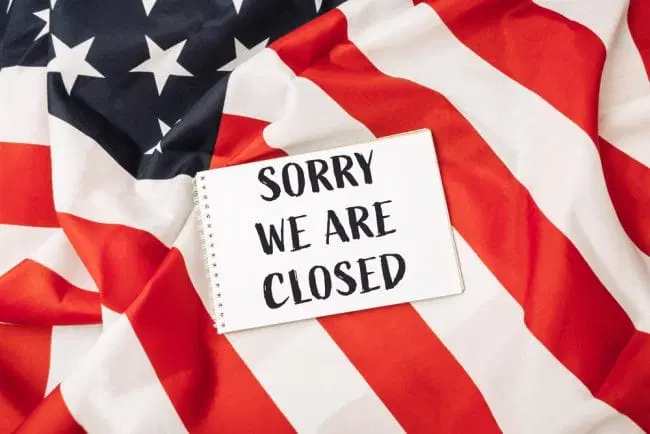
5 Ways The Potential Friday Night Government Shutdown Will Impact NYC Commuters
(MENAFN- Budget and the Bees) Washington gridlock has returned, and the clock is ticking toward a midnight deadline this Friday, January 30. While political standoffs often feel distant, a federal funding lapse creates real ripples in the daily life of New York City. Commuters, travelers, and residents are right to wonder how a shutdown affects the complex transit web of the tri-state area. Fortunately, the city does not grind to a total halt, but specific sectors will feel the strain immediately.1. Airport Chaos at JFK, LGA, and EWR
Air travel faces the most immediate risk. Federal employees staff the critical security and control towers at our regional airports. Air Traffic Controllers and TSA agents are deemed essential, meaning they must work during a shutdown. However, they do not receive paychecks until the government reopens. History shows that this financial stress leads to“sick-outs,” where unscheduled absences skyrocket. Consequently, security lines at LaGuardia or JFK can lengthen unpredictably. If you plan to fly out this weekend or Monday morning, arrive significantly earlier than usual.
2. Amtrak Service Remains Active but FragileMany commuters rely on the Northeast Corridor to get into Penn Station or Moynihan Train Hall. Amtrak is a federally chartered corporation, but it operates somewhat independently of day-to-day congressional appropriations. Trains will likely run on a normal schedule this weekend and into next week. Nevertheless, problems arise if the shutdown drags on for weeks. A prolonged funding gap strains maintenance operations and support staff. While you should not expect canceled trains on Saturday morning, keep an eye on the alerts if the standoff continues into February.
3. The MTA and PATH are Safe ZonesNew Yorkers can breathe a sigh of relief regarding the subway and bus system. The Metropolitan Transportation Authority (MTA) is a state-run agency. It does not rely on daily federal checks to keep the lights on or the trains moving. Similarly, the Port Authority of New York and New Jersey manages the PATH trains. Therefore, your daily ride from Hoboken or within the five boroughs will remain unaffected by the drama in Washington. Turnstiles will work, and buses will run their routes as scheduled.
4. Lighter Traffic in Lower ManhattanA shutdown forces thousands of non-essential federal employees to stay home. In New York City, a significant concentration of these workers commutes to Federal Plaza and the Financial District. As a result, the roads and subway stations in Lower Manhattan might feel surprisingly quiet on Monday morning. While a shutdown is bad for the economy, the temporary reduction in foot traffic and car volume could ironically make the morning commute faster for private sector workers heading downtown.
5. Federal Site Closures and Ferry DisruptionsCommuters who work near tourist hubs will notice a change. The National Park Service operates sites like the Statue of Liberty and Ellis Island. Typically, these attractions close during a funding lapse unless the state government steps in with emergency cash. If these sites close, the ferries that service them stop running. This alters the flow of crowds around Battery Park and the ferry terminals. Additionally, anyone commuting to a federal building for passport services or administrative hearings should verify that their appointment still stands before leaving the house.
The Bottom Line for CommutersGovernment shutdowns create uncertainty, but the core of NYC transit is built to survive them. Focus on allowing extra time for air travel, but trust that your local subway line will get you where you need to go.
How are you preparing for potential travel delays this weekend? Let us know in the comments.

Legal Disclaimer:
MENAFN provides the
information “as is” without warranty of any kind. We do not accept
any responsibility or liability for the accuracy, content, images,
videos, licenses, completeness, legality, or reliability of the information
contained in this article. If you have any complaints or copyright
issues related to this article, kindly contact the provider above.
Most popular stories
Market Research

More Story






Comments
No comment