



403
Sorry!!
Error! We're sorry, but the page you were looking for doesn't exist.
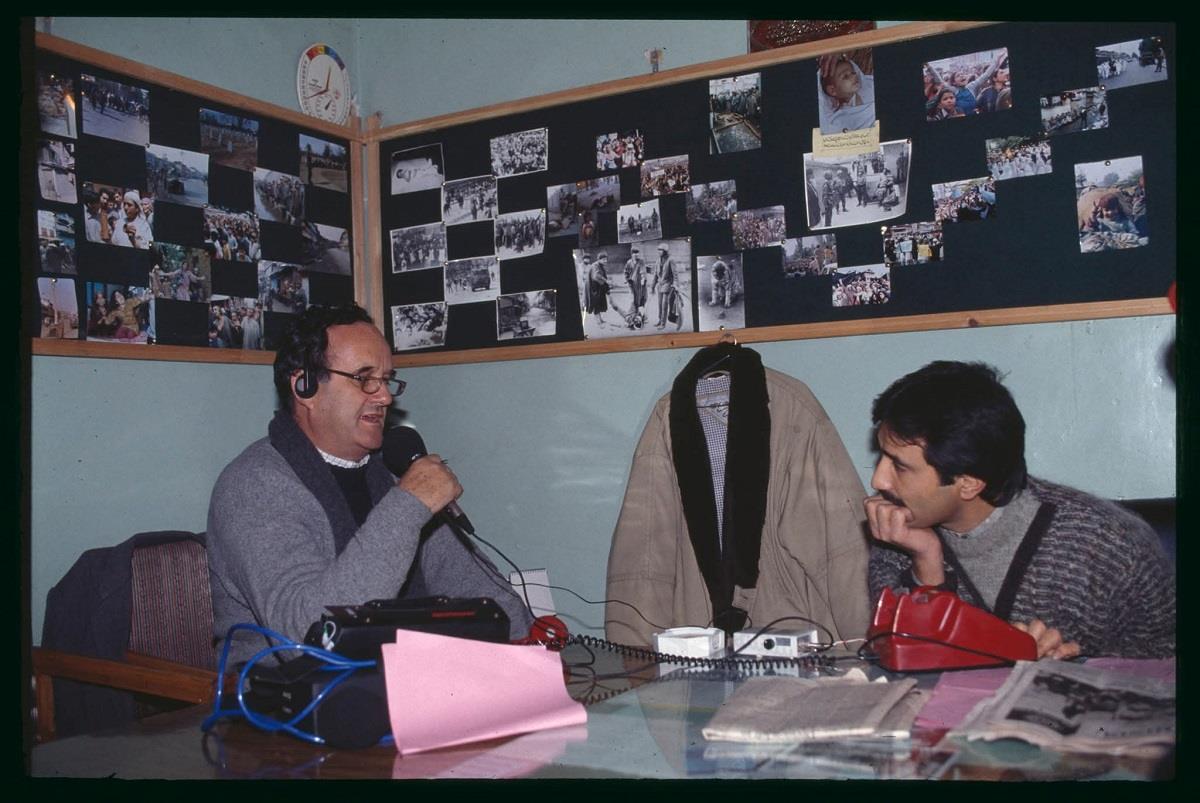
Hotel, Radio, And Voice: Mark Tully's Mark On Kashmir
(MENAFN- Kashmir Observer) By Fiza Masoodi
ADVERTISEMENT
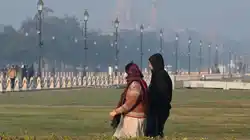
Opposite Ghat No. 2 on Srinagar's Boulevard Road, a modest signboard reads Hotel Tully. It faces Dal Lake and a thoroughfare that once carried foreign correspondents, security convoys, tourists, and traders through a city at the center of a long discord.
ADVERTISEMENT
In the late 1990s, the hotel name caught the eye without need for explanation. Passersby noticed, recognized it, and moved on. The connection felt obvious, almost unspoken.
Boulevard Road has long been Srinagar's most outward-facing stretch, lined with houseboats bearing English names and hotels that hosted journalists filing dispatches late into the night. During the worst years of violence, it remained one of the city's closest links to the outside world.
Hotel Tully stood there throughout, silently absorbing glances and assumptions. Its name resonated because a voice carrying the same name had already entered Kashmiri homes through radio.
Mark Tully's BBC reports cut through evenings of curfews, power cuts, and unease in the valley. Families leaned toward their radios, turning up the volume, each bulletin sparking discussion about the valley's troubles.
His name became part of the daily news, and a hotel bearing it felt like acknowledgment, since Mark Tully was already a household name.
During those years, people believed government distrusted him while the public trusted him. The idea circulated through markets and streets, growing stronger with repetition. The hotel's name fit naturally into that belief.
Years after his BBC broadcasts ended and his long public absence, news of his death came as a shock to many in the valley.
On January 25, 2026, Mark Tully died at a Delhi hospital at 90. In the wake of his passing, both sentiment and the signboard opposite Ghat No. 2 took on a nostalgic pull.
ADVERTISEMENTIn the early 1990s, Naqash Sarwar, former director of horticulture, recalled evenings filled with anticipation.
“Everyone in Kashmir was restless to hear the BBC report on the region by Mark Tully and Yusuf Jameel,” he said.
The two voices complemented each other: one spoke with global authority, the other with local reality.
One Kashmir resident Ulfat Zargar remembered elders gathering inside shops, radios tuned in.“Mark Tully was so popular among our elders that every shop would discuss or listen to the BBC,” he said.“He became our voice for honest reporting.”
Another Kashmiri remembers an uncle who never learned to read or write but spoke the name effortlessly.

Legal Disclaimer:
MENAFN provides the
information “as is” without warranty of any kind. We do not accept
any responsibility or liability for the accuracy, content, images,
videos, licenses, completeness, legality, or reliability of the information
contained in this article. If you have any complaints or copyright
issues related to this article, kindly contact the provider above.
Most popular stories
Market Research

More Story



Comments
No comment