

403
Sorry!!
Error! We're sorry, but the page you were looking for doesn't exist.
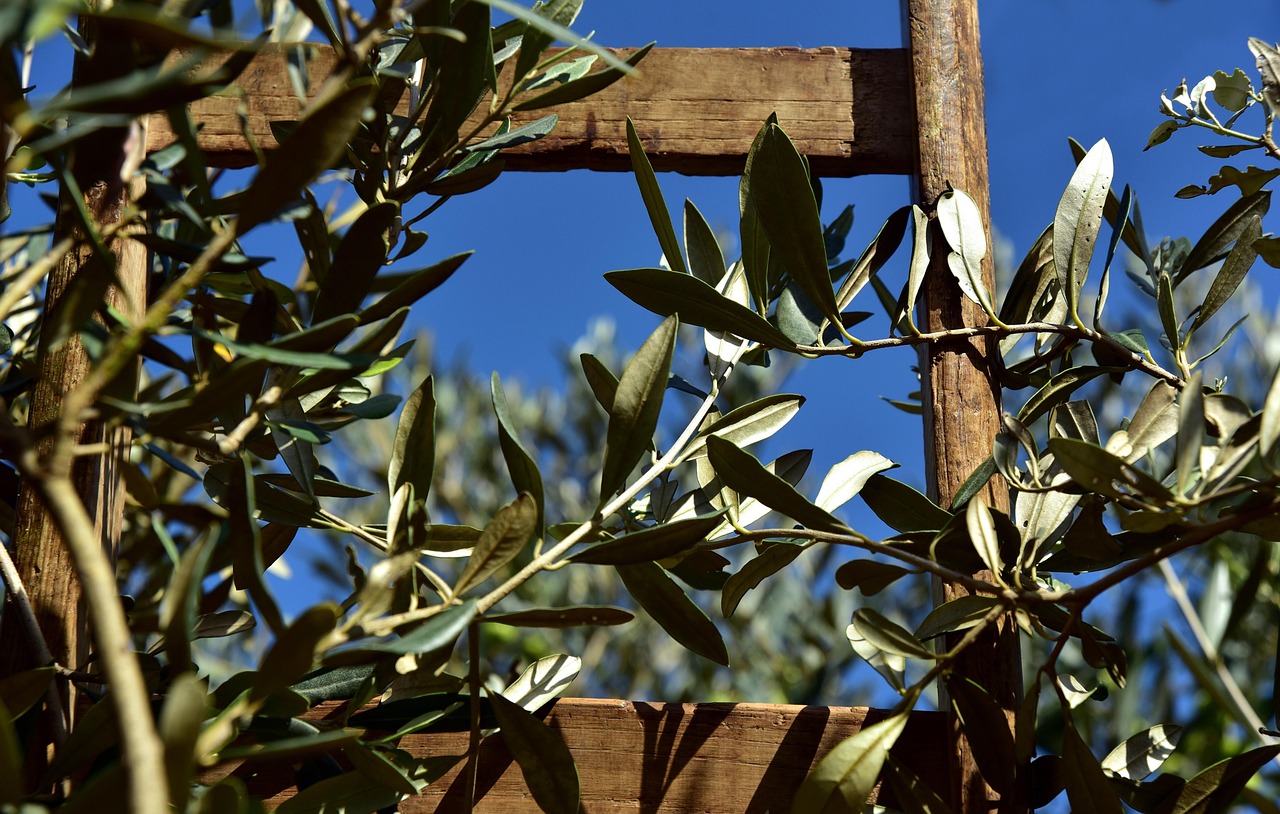
Turkey overtakes Italy in production of olives, olive oil


(MENAFN) Türkiye has overtaken Italy in the production of olives and olive oil, now ranking as the world’s second-largest producer after Spain, according to international reports.
Jaime Lillo, executive director of the Madrid-based International Olive Council (IOC), told news outlets that Türkiye has become an essential player in the global olive industry.
“Looking at the data from the last five seasons (2020–2025), Türkiye seems to have consolidated its position as the world’s second-largest producer of olive oil and table olives,” he said.
“Türkiye already makes a great contribution to the olive community,” Lillo added.
“As we said, it is a major olive oil and table oil producer, not only for its population but also for the growing international market,” he continued. “Türkiye is already contributing to global health, as people consume olive oil and table olives worldwide, but also to the planet via the groves that have grown and continue to grow in Türkiye.”
Lillo highlighted that Türkiye has now become the top global producer of table olives, surpassing Egypt, thanks to its “extraordinary season in 2024–25.”
He also pointed out that global olive oil exports rose 25% during the 2024–25 season, with Türkiye contributing to this growth through a remarkable 132% increase.
Since 2023, Türkiye has held representation within the IOC through an executive director deputy and has been described as “very dynamic, very supportive, and involved in the main projects of the council,” according to Lillo.
He further noted that an internationally recognized collection of olive trees exists in the southwestern Turkish city of Izmir, which, along with the olive gene bank there, plays a crucial role in addressing sector challenges such as climate change.
“Climate change is already a reality that we can see in the production statistics,” Lillo explained. “For example, in the fact that we have never seen two consecutive short seasons since we have had statistical data -- we had seen an increase in variability between harvests, but never had we seen two short harvests below average, and that is what led to the extraordinary price increase we had two years ago, or a year and a half ago.”
He added that the IOC has been collaborating with experts to help the sector adapt to climate change, stressing that the phenomenon has already impacted olive production, particularly in the Mediterranean basin. Lillo also noted that olive trees could serve as a natural carbon sink in efforts to combat climate change.
Finally, he remarked that the coronavirus pandemic was a turning point for the olive industry, as it brought the world to a temporary halt, affecting production and trade dynamics.
Jaime Lillo, executive director of the Madrid-based International Olive Council (IOC), told news outlets that Türkiye has become an essential player in the global olive industry.
“Looking at the data from the last five seasons (2020–2025), Türkiye seems to have consolidated its position as the world’s second-largest producer of olive oil and table olives,” he said.
“Türkiye already makes a great contribution to the olive community,” Lillo added.
“As we said, it is a major olive oil and table oil producer, not only for its population but also for the growing international market,” he continued. “Türkiye is already contributing to global health, as people consume olive oil and table olives worldwide, but also to the planet via the groves that have grown and continue to grow in Türkiye.”
Lillo highlighted that Türkiye has now become the top global producer of table olives, surpassing Egypt, thanks to its “extraordinary season in 2024–25.”
He also pointed out that global olive oil exports rose 25% during the 2024–25 season, with Türkiye contributing to this growth through a remarkable 132% increase.
Since 2023, Türkiye has held representation within the IOC through an executive director deputy and has been described as “very dynamic, very supportive, and involved in the main projects of the council,” according to Lillo.
He further noted that an internationally recognized collection of olive trees exists in the southwestern Turkish city of Izmir, which, along with the olive gene bank there, plays a crucial role in addressing sector challenges such as climate change.
“Climate change is already a reality that we can see in the production statistics,” Lillo explained. “For example, in the fact that we have never seen two consecutive short seasons since we have had statistical data -- we had seen an increase in variability between harvests, but never had we seen two short harvests below average, and that is what led to the extraordinary price increase we had two years ago, or a year and a half ago.”
He added that the IOC has been collaborating with experts to help the sector adapt to climate change, stressing that the phenomenon has already impacted olive production, particularly in the Mediterranean basin. Lillo also noted that olive trees could serve as a natural carbon sink in efforts to combat climate change.
Finally, he remarked that the coronavirus pandemic was a turning point for the olive industry, as it brought the world to a temporary halt, affecting production and trade dynamics.

Legal Disclaimer:
MENAFN provides the
information “as is” without warranty of any kind. We do not accept any
responsibility or liability for the accuracy, content, images, videos,
licenses, completeness, legality, or reliability of the information
contained in this article. If you have any complaints or copyright issues
related to this article, kindly contact the provider above.
Comments
No comment