




403
Sorry!!
Error! We're sorry, but the page you were looking for doesn't exist.
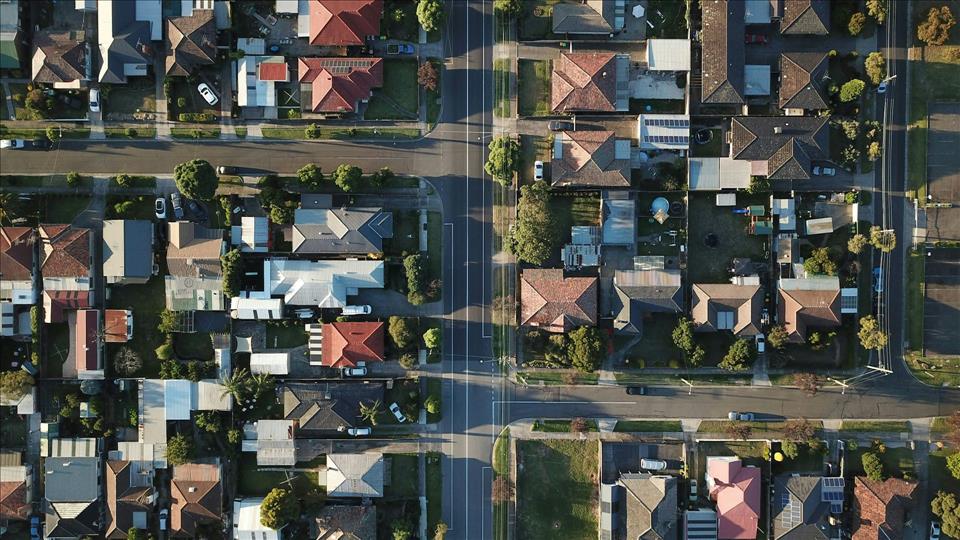
Moving House? 3 Surprising Ways Your New Neighbourhood Can Affect Health And Happiness
Author: Milad Haghani
(MENAFN- The Conversation) January is consistently Australia's busiest month for moving house – around 14-18% of the yearly total, far higher than any other month.

When people choose a new neighbourhood to live in, there are many factors to weigh up such as price, commute time, school zones and general convenience.
But research shows less obvious aspects of a neighbourhood such as walkability, aircraft noise and tree canopy can measurably improve or worsen daily health and long-term wellbeing. Yet they rarely make it onto anyone's checklist when choosing where to live.
Here are simple clues to get a sense of how these underrated factors will affect life in a new place.
WalkabilityWalkability describes how easily people can reach everyday destinations on foot. It reflects a combination of how well connected streets are, distance to shops and services and how pleasant and practical it is to walk.
A recent study of over two million house moves in the United States found people who relocated to more walkable neighbourhoods took about 1,100 extra steps per day. This level of extra activity is associated with better health by lowering risk of cardiovascular disease, diabetes and early death.
Other studies consistently link walkable areas with better mental health and lower car dependence.
Walkability can vary widely even within the same city and similar price ranges, so it's worth checking. Two easy tools help assess it:
- the Community Walkability Map run by the Heart Foundation, which estimates which destinations are reachable with a 5–20 minute walk from any address.
the Australian Urban Observatory, which gives a walkability score to each suburb based on housing density, street connectivity and access to local services. The tool has other liveability indicators and makes it possible to compare between suburbs and against the city average.
Research shows long-term exposure to aircraft noise can worsen health in several ways.
People living under frequent flight paths have been found to face higher rates of heart disease and poor mental health.
Night-time aircraft noise is linked to sleep disruption, including more awakenings and less deep, restorative sleep.
The noise can also affect children's learning, with noise exposure associated with poorer attention and reading development when schools sit directly under busy flight corridors.
Most major airports in Australia offer tools to check noise levels for a specific location.
Aircraft noise exposure depends on where flight paths sit, how low planes fly, and how frequently they pass over a neighbourhood.
In Melbourne, residents can access detailed reports for a given address which combine noise-contour maps, flight-path overlays and expected noise levels for individual properties. Other cities don't have access to this level of detail.
How loud is too loud? At night, a good rule of thumb is that aircraft noise at 55 decibels and up will cause frequent negative effects, such as disturbed sleep and higher health risks. This figure comes from the nighttime noise guidelines issued by the World Health Organization.
Australian aviation guidelines use 70 decibels as the threshold for a“noisy event” likely to disturb indoor activity.
The way a house is designed makes a difference. Double-glazed windows, sealed frames and newer insulation can reduce how noisy it is inside.
If your research suggests a new place may be exposed to aircraft noise, it's worth checking window quality and insulation.
Tree canopy and urban heatTree canopy plays a major role in how hot a neighbourhood feels. Suburbs with fewer trees and less green space absorb and radiate more heat, meaning they are significantly hotter than leafier suburbs. Streets with more trees and shaded surfaces can be 5–10°C cooler on hot days.
Higher local temperatures are linked to greater heat stress, worse sleep during summer nights, and less outdoor activity.
Tree canopy and heat exposure are easy to check. States such as South Australia offer urban heat and tree canopy maps, while Victoria has an Urban Forest visual tool for central Melbourne and less detailed equivalents over a broader metropolitan area.
Using the satellite view on a mapping app can work to give a quick sense of how shaded a street is and whether the surrounding area is dominated by trees, paved surfaces or open, unshaded areas.
Not just nice to haveMany people don't check how walkable, noisy or leafy an area is before deciding to move there. But these factors have a real impact on quality of life and health.
There's a broader planning challenge here. More walkable neighbourhoods lead to significantly more walking, aircraft noise worsens sleep and tree canopy can dramatically cool neighbourhoods. This means these issues aren't just nice to have. They should be thought of as core public health infrastructure.
Connected street networks, reliable shade, quieter residential zones and easy access to daily services should not be luxuries confined to the high-priced areas often coded as“leafy” suburbs in Australia.
Newer developments often lack the mature tree canopy of older suburbs. While it takes time for trees to mature and produce their cooling canopy, this can be sped up with strategic planting of large, spreading trees, consistent irrigation in early years and protection of verge and open-space planting areas. Local planning rules can help by creating tree canopy targets and space for deep-rooted trees.
Similarly, detailed data on aircraft noise should be accessible and easy to interpret in all cities with major airports, not just in Melbourne.
As thousands of Australians prepare to move house this month, it's a good time to think about what we value in a neighbourhood – and how we could expand access to these desirable attributes.
Planning for walkability, heat resilience and low noise are matters of equity. Healthier urban environments should be available to everyone, not just those who can afford them.
Institution:Monash University

Legal Disclaimer:
MENAFN provides the
information “as is” without warranty of any kind. We do not accept
any responsibility or liability for the accuracy, content, images,
videos, licenses, completeness, legality, or reliability of the information
contained in this article. If you have any complaints or copyright
issues related to this article, kindly contact the provider above.
Most popular stories
Market Research

More Story






Comments
No comment