



403
Sorry!!
Error! We're sorry, but the page you were looking for doesn't exist.
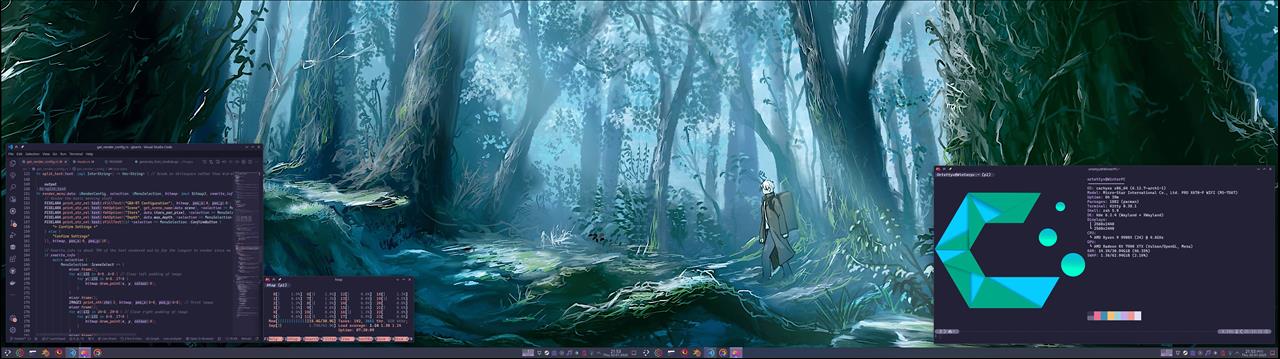
Cachyos Eyes Sharper Server Performance
(MENAFN- The Arabian Post)

CachyOS is moving beyond its reputation as a desktop-focused Arch-based Linux distribution by outlining plans for a hardened server image aimed at improving performance, security and operational stability in production environments. The initiative, confirmed by the project's developers in community briefings and development notes, signals an effort to position CachyOS as a credible option for administrators seeking finely tuned Linux systems without extensive manual optimisation.
Known primarily for aggressive performance tuning on consumer hardware, CachyOS has built a following among users who prioritise responsiveness, low latency and modern kernel features. The proposed server image extends this philosophy to infrastructure workloads, promising pre-optimised packages, hardened defaults and kernel-level adjustments designed to extract efficiency from CPUs, memory and storage subsystems straight out of the box.
Developers say the server image will differ substantially from a standard Arch Linux server setup. While Arch offers flexibility, it places responsibility for tuning and hardening squarely on the administrator. CachyOS intends to ship a ready-to-deploy environment with security-conscious defaults, reduced attack surface and performance-focused kernel configurations. These include custom compiler flags, scheduler tweaks and CPU microarchitecture optimisations that are already central to CachyOS on the desktop.
The move comes as operators face growing pressure to run workloads more efficiently. Rising energy costs, denser virtualisation and expanding container usage have sharpened interest in operating systems that can squeeze more performance from existing hardware. In this context, CachyOS's promise of“pre-tuned settings” is intended to reduce the time and expertise needed to prepare servers for production use, particularly for small teams and independent operators.
See also Figma CEO acknowledges early failures to reshape company culture and steer IPO-era ambitionsAccording to development discussions, the hardened server image is expected to include stricter systemd service configurations, more conservative network exposure by default and kernel hardening options that balance security with throughput. This approach reflects lessons drawn from enterprise distributions, while retaining the rolling-release model and up-to-date packages that distinguish Arch-based systems. The challenge, developers acknowledge, lies in ensuring stability and predictability in environments where unexpected updates can have operational consequences.
CachyOS's performance ethos is closely tied to its toolchain choices. The project is known for compiling packages with modern optimisation flags and, in some cases, offering builds tailored to specific CPU families. For servers running homogeneous hardware fleets, such optimisations can translate into measurable gains in compute-heavy tasks, from web serving to data processing. However, this strategy also raises questions about portability and long-term maintenance, particularly when hardware diversity is involved.
Industry observers note that the Linux server landscape is already crowded, dominated by established players such as Ubuntu Server, Red Hat Enterprise Linux and Debian. These distributions prioritise long-term support, conservative change management and extensive certification ecosystems. CachyOS is not attempting to compete directly on those terms. Instead, its appeal is likely to centre on performance-focused deployments, homelabs, edge servers and specialised workloads where administrators value cutting-edge kernels and are comfortable managing rolling updates.
Security remains a critical consideration. The developers' emphasis on a“hardened” image suggests alignment with best practices such as stricter kernel parameters, improved memory protections and reduced default services. Yet, security experts caution that hardening is not a one-time action but an ongoing process requiring timely updates and careful configuration management. CachyOS's rolling-release nature can be an advantage here, delivering patches quickly, but it also demands vigilance from operators to avoid regressions.
See also Adobe expands Firefly with prompt-led video editingThe announcement has sparked discussion within the Linux community about whether performance-centric distributions can translate desktop gains into server reliability. Early feedback highlights cautious optimism, with users welcoming the idea of a server image that removes much of the manual tuning traditionally required to achieve low latency and high throughput. Others stress the need for clear documentation, predictable update policies and transparent benchmarking to build trust among administrators.
Notice an issue? Arabian Post strives to deliver the most accurate and reliable information to its readers. If you believe you have identified an error or inconsistency in this article, please don't hesitate to contact our editorial team at editor[at]thearabianpost[dot]com. We are committed to promptly addressing any concerns and ensuring the highest level of journalistic integrity.

Legal Disclaimer:
MENAFN provides the
information “as is” without warranty of any kind. We do not accept
any responsibility or liability for the accuracy, content, images,
videos, licenses, completeness, legality, or reliability of the information
contained in this article. If you have any complaints or copyright
issues related to this article, kindly contact the provider above.
Most popular stories
Market Research

More Story








Comments
No comment