



403
Sorry!!
Error! We're sorry, but the page you were looking for doesn't exist.
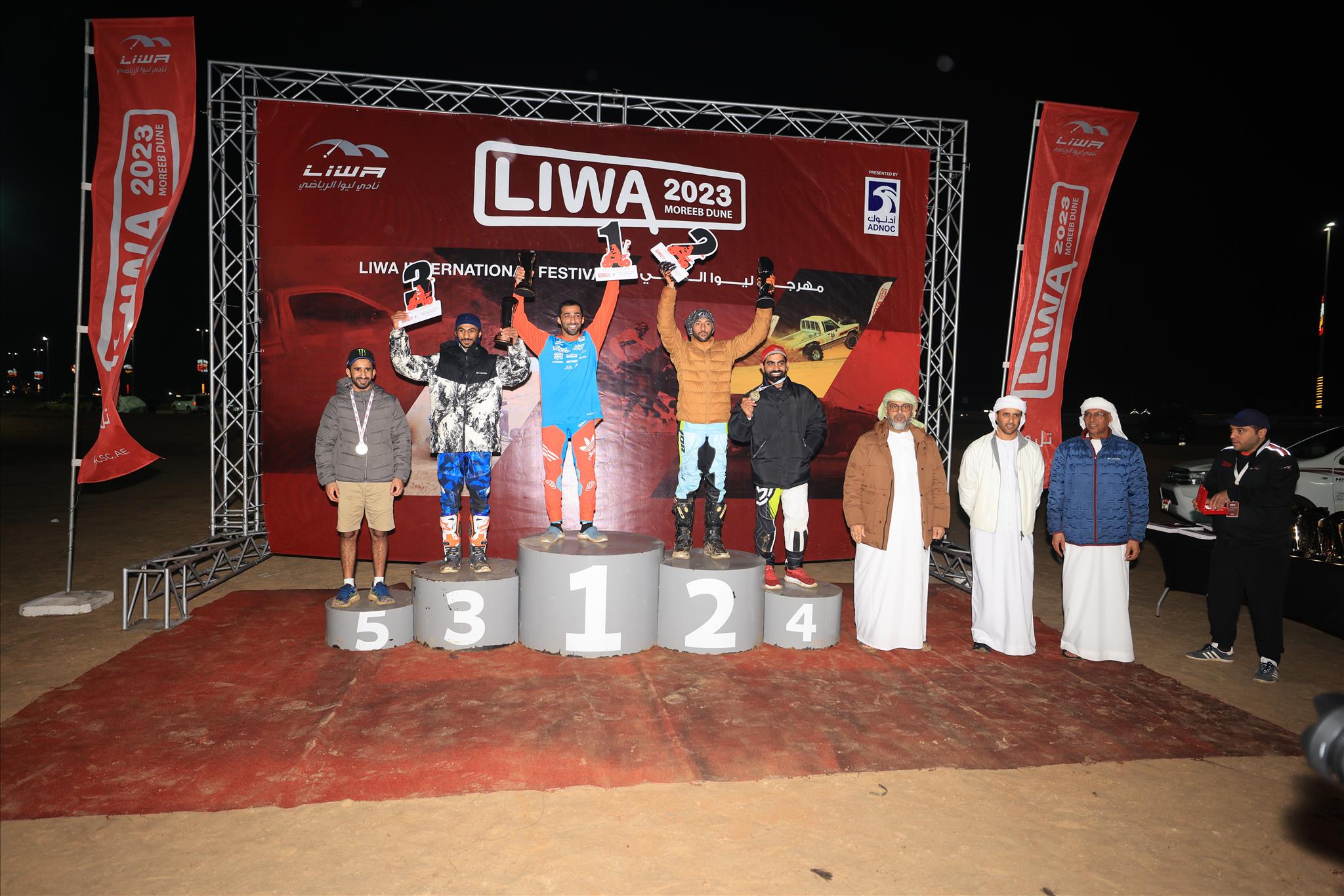
Falcon Racing Set To Take Centre Stage At Liwa Festival
(MENAFN- The Arabian Post)

Falcon Racing will begin tomorrow at the Liwa International Festival 2026, bringing together elite falconers, heritage practitioners and spectators in the Empty Quarter's oasis region for one of the Gulf's most closely watched traditional sporting events. Organised under the festival's heritage and cultural programme, the competition is expected to draw participants from across the UAE and neighbouring countries, reinforcing Liwa's standing as a focal point for desert sports and falconry traditions.
The event will feature trained falcons competing in speed and precision trials designed to test the birds' natural instincts, conditioning and the skill of their handlers. Organisers said preparations at the designated racing grounds on the outskirts of Liwa have been completed, with safety protocols and veterinary supervision in place to ensure the welfare of the birds throughout the competition.
Falcon Racing has evolved from informal desert contests into a structured sporting discipline, while retaining its cultural roots. At Liwa, the competition is framed not as a commercial spectacle but as a celebration of heritage, aligning with broader efforts by cultural authorities to preserve falconry as a living tradition. Falconry is recognised by UNESCO as part of humanity's intangible cultural heritage, and events such as this are positioned as practical expressions of that status.
Officials overseeing the festival said the racing schedule will span several days, with qualifying rounds narrowing the field before final races determine the top performers. Judging criteria include flight speed, responsiveness and adherence to race lines, with experienced adjudicators drawn from falconry associations and heritage bodies. Prizes are expected to include trophies, cash awards and recognition for breeding and training excellence.
See also Dubai Run Shatters Record ParticipationBeyond competition, the Falcon Racing programme is designed to engage younger audiences. Educational sessions and demonstrations will explain breeding practices, training methods and the ecological role of falcons in desert environments. Heritage experts involved in the festival said this approach reflects a shift towards combining sport with structured knowledge-sharing, ensuring continuity across generations.
The Liwa International Festival itself has expanded over the years into a multi-disciplinary event encompassing motorsports, camel racing, traditional crafts and cultural performances. Falcon Racing occupies a central place within this mix, often drawing large crowds during morning sessions when conditions are most suitable for the birds. Local authorities anticipate strong attendance, supported by improved access routes and accommodation capacity in the region.
Economic analysts observing heritage tourism in the UAE note that events like Falcon Racing contribute to seasonal visitor flows to Al Dhafra, benefiting local businesses while reinforcing cultural branding. The festival's organisers have emphasised that commercial activity remains secondary to cultural preservation, with sponsorship and media coverage managed to avoid overshadowing the heritage focus.
Falconers participating in the competition have described months of preparation leading up to Liwa, including conditioning regimes tailored to desert climates and careful acclimatisation of birds to race environments. Many competitors use falcons bred in specialised facilities, reflecting advances in breeding science that coexist with traditional training techniques passed down through families.
Veterinary teams on site will monitor the health of the birds before and after each race, a practice that has become standard at major falconry events. Officials said this reflects growing professionalisation within the sport, responding to public scrutiny and international standards on animal welfare.
See also Colife Offers Fast-Turnover Rentals in Dubai MarketWhile falcon racing remains deeply rooted in regional culture, it has also attracted interest from international heritage enthusiasts and researchers studying the intersection of sport, tradition and conservation. Observers attending Liwa this year include delegates from cultural institutions and falconry clubs outside the Gulf, adding an international dimension to the competition.
Notice an issue? Arabian Post strives to deliver the most accurate and reliable information to its readers. If you believe you have identified an error or inconsistency in this article, please don't hesitate to contact our editorial team at editor[at]thearabianpost[dot]com. We are committed to promptly addressing any concerns and ensuring the highest level of journalistic integrity.

Legal Disclaimer:
MENAFN provides the
information “as is” without warranty of any kind. We do not accept
any responsibility or liability for the accuracy, content, images,
videos, licenses, completeness, legality, or reliability of the information
contained in this article. If you have any complaints or copyright
issues related to this article, kindly contact the provider above.
Most popular stories
Market Research

More Story






Comments
No comment