




403
Sorry!!
Error! We're sorry, but the page you were looking for doesn't exist.
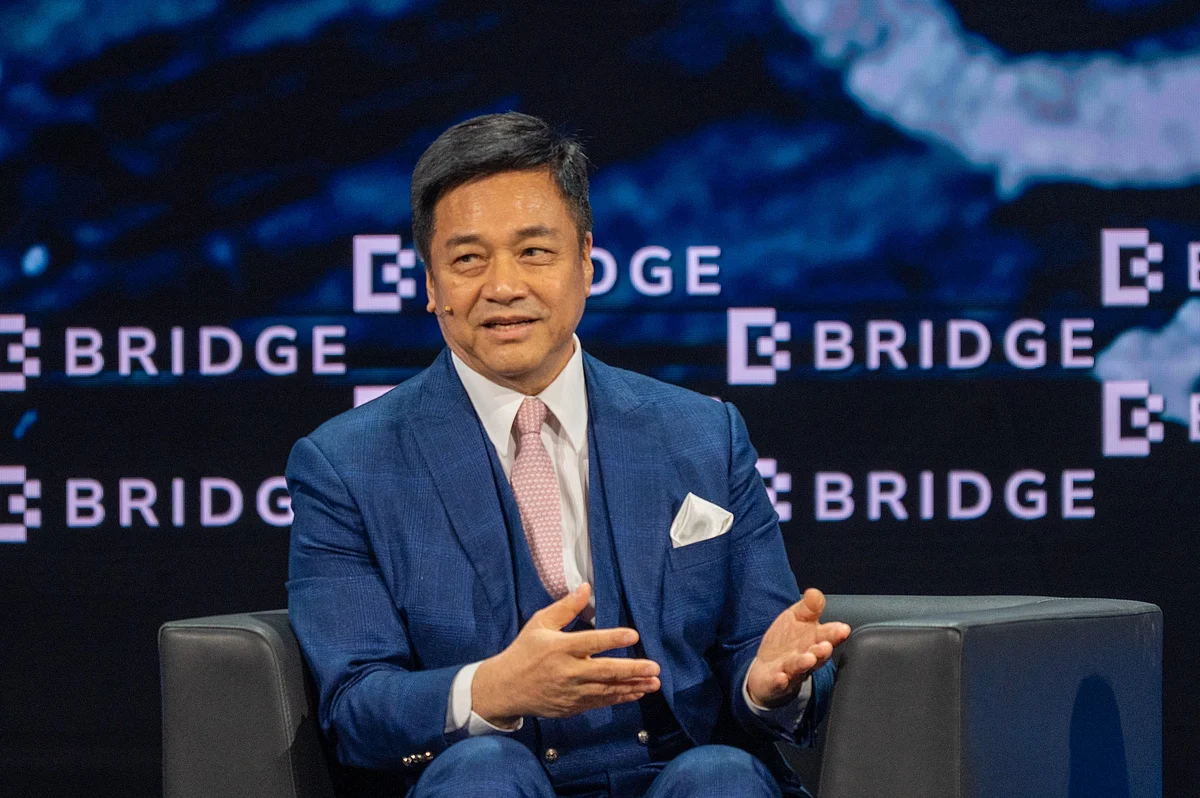
Bridge Summit In Abu Dhabi: How Stanley Tong, Jackie Chan Cracked Box Office Formula
(MENAFN- Khaleej Times)
Hong Kong filmmaker Stanley Tong opened his Bridge Summit session with a story that drew immediate laughter - and a reminder of how precarious the early years of his career were.
"You buy the cars in the junkyard... You have a door on this side, you don't have a door on the other," he said. With just $200 for a paint job, he would dress up battered vehicles and“pretend to be an international movie," because Hong Kong's tiny market left directors scrambling to stretch every dollar.
Recommended For YouTong said that behind the slapstick stunts that defined his early work - and alarmed his mother - was a survival instinct. Hong Kong's film economy of the time could not sustain careers for long. "In order to survive as a director. I have to think about how to make a movie to go international."
Stay up to date with the latest news. Follow KT on WhatsApp Channels.
That thinking eventually led him to the action-comedy formula that propelled his collaborations with Jackie Chan into record-breaking territory.“America is like, action is boom, boom, boom. Or comedy is Jim Carrey,” he said.“With action and comedy, they don't have that kind of style.” His blend of the two, shot with fast lighting and tight budgets, delivered what he called“the biggest box office ever for Jackie and me” during one Chinese New Year season.
A new film inspired by the Silk RoadFour decades later, Tong said he remains driven by cross-cultural storytelling - a theme that shapes his next project. The producer, stunt choreographer, screenwriter revealed that he is currently writing a film“about the Silk Road... how Chinese [people] met the world,” drawing on the values he found shared across the places he has filmed: respect for family, elders, and community.
“The world is getting smaller, and we can communicate through the internet,” he noted. Working abroad made him realise that audiences far beyond East Asia connect to the same emotional core.“We share the same emotional feeling... we are very peaceful.”
'AI can't replace the heart of the story'Only after reflecting on his past and future work did Tong turn to the question of artificial intelligence, arguing that it changes filmmaking logistics rather than storytelling itself.
He acknowledged AI's speed -“they can generate... in just like that” - and said he now uses it for screenwriting support and artwork. But he insisted that cinema still depends on the human layers built during production:“At the end of the day... You work with writers, you work with directors, you work with actors... You enjoy the whole process.”
AI, he said,“will never replace the heart of the story and the emotion.”
Janet Yang: Art is still a connectorProducer Janet Yang, speaking alongside Tong, said the industry is navigating deep political divides, but she believes the arts still offer a way through.“The best way to bring people together is through art.”
She described the moment as both challenging and full of opportunity for new voices. Younger filmmakers, she noted, now have“so many more opportunities,” even if the path is rarely straightforward.
Advice for the next generation
Asked what he would do differently if starting today, Tong replied that he still feels he is“studying” and learning after 45 years. The only constant, he suggested, is the need to think globally from day one - because stories now travel faster than ever.
Yang closed on a note of realism: setbacks are inevitable, but careers can change course unexpectedly.“One never knows,” she concluded.

Legal Disclaimer:
MENAFN provides the
information “as is” without warranty of any kind. We do not accept
any responsibility or liability for the accuracy, content, images,
videos, licenses, completeness, legality, or reliability of the information
contained in this article. If you have any complaints or copyright
issues related to this article, kindly contact the provider above.
Most popular stories
Market Research

More Story








Comments
No comment