





403
Sorry!!
Error! We're sorry, but the page you were looking for doesn't exist.
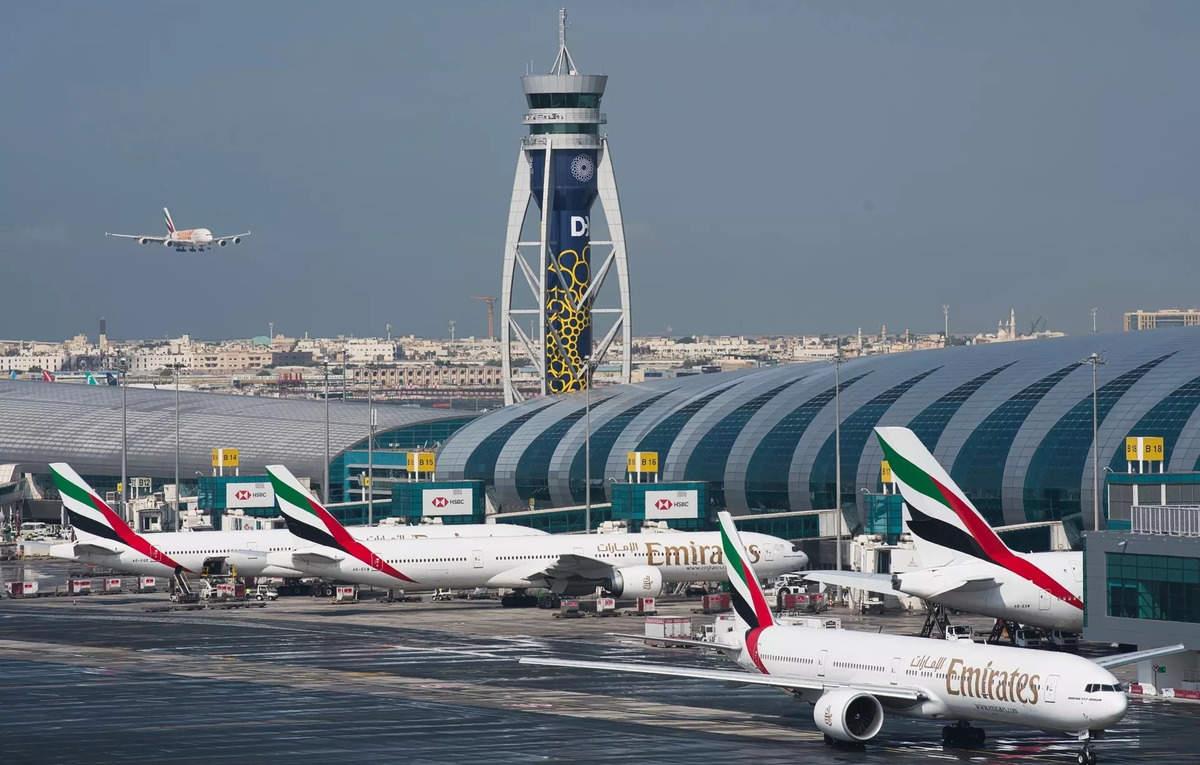
Airlines Move Swiftly To Contain A320 Software Glitch Fallout
(MENAFN- The Arabian Post)
Arabian Post Staff -Dubai
Airlines worldwide mobilised to install a mandatory software update on jets in the Airbus A320 family after a software flaw linked to intense solar radiation threatened critical flight-control systems. The issue came to light after an aircraft operated by JetBlue experienced a sudden, uncommanded drop in altitude while cruising in October, prompting a global safety alert issued by the manufacturer Airbus SE and aviation regulators.
The vulnerability involved the computers known as ELAC, which translate pilot commands into movements of control surfaces governing pitch and roll. Under certain conditions-particularly when bombarded by high levels of cosmic radiation-the data in these systems could corrupt, potentially causing unintended manoeuvres mid-flight.
Airbus asked all operators of affected aircraft to revert to an earlier, stable software version before the next scheduled flight. For many jets, that meant a software-only update, typically taking a few hours. For older airframes, a more extensive hardware upgrade was required.
More than 6,000 A320 series aircraft globally were under scrutiny, affecting over half of the entire A320 fleet. In India, operators including IndiGo and Air India faced immediate compliance requirements across more than 350 jets. The national aviation regulator issued a directive forbidding these aircraft from flying until modifications were complete.
Despite the magnitude of the recall, a substantial portion of airlines completed updates swiftly - several reporting most or all of their impacted aircraft cleared and returned to service within 24 hours. Some carriers had only a handful of jets left to fix as of late Saturday.
This rapid response limited the scale of disruption even during one of the busiest travel weekends globally. While some flights were cancelled - for instance, a major Japanese airline cancelled multiple domestic journeys - most carriers avoided extended groundings. Many affected airlines offered rebooking and refund options to passengers.
See also Abu Dhabi Sets Milestone with First Vertiport Network LaunchExperts in aviation safety welcomed the recall as a necessary, albeit rare, intervention. The incident underscored how modern“fly-by-wire” aircraft - which rely heavily on electronic flight-control systems rather than mechanical linkages - remain vulnerable to external environmental hazards such as solar radiation. While such events are extremely uncommon, the potential consequences prompted industry-wide vigilance.
Also published on Medium.
Notice an issue? Arabian Post strives to deliver the most accurate and reliable information to its readers. If you believe you have identified an error or inconsistency in this article, please don't hesitate to contact our editorial team at editor[at]thearabianpost[dot]com. We are committed to promptly addressing any concerns and ensuring the highest level of journalistic integrity.

Legal Disclaimer:
MENAFN provides the
information “as is” without warranty of any kind. We do not accept
any responsibility or liability for the accuracy, content, images,
videos, licenses, completeness, legality, or reliability of the information
contained in this article. If you have any complaints or copyright
issues related to this article, kindly contact the provider above.
Most popular stories
Market Research

More Story






Comments
No comment