




403
Sorry!!
Error! We're sorry, but the page you were looking for doesn't exist.
Seven Days, High Stakes: Can India Secure A Trade Deal Before Trump's 7 August Tariff Breather Ends?
(MENAFN- Live Mint) Just hours before the 1 August trade deadline, the White House announced a major new global tariff policy on 31 July. Although it was expected to start by midnight, the Trump administration pushed the start date to 7 August.
India now faces 25 per cent tariffs on its exports to the US under the new reciprocal framework . Clearly, the next seven days are crucial as negotiations between the two nations on a trade deal are underway.
Also Read | Trump signs order imposing up to 41% tariffs; India, Canada hitThe new tariffs, outlined in a sweeping order signed on Friday (IST), will take effect at 12:01 AM (EDT) on 7 August.
The executive order states that the revised tariffs are aimed at addressing the national emergency declared earlier under Executive Order 14257.
Why does it mean for India-US trade?The US is one of India's largest export markets. Once implemented, the new tariff could potentially affect nearly $87 billion worth of annual goods sold to the US market .
Electronics, particularly smartphones and components, are at risk, more so after India recently became the top supplier of iPhones to the US.
Among other sectors, gems and jewellery, especially diamonds and gold products, are a key driver of India's export earnings.
India-US tiesIndia has had a strong relationship with the US, based on years of diplomatic and economic cooperation. The decision on tariffs and the subsequent statements by President Trump and some White House aides are surprising.
In 2024, India and the US conducted trade in goods and services worth $186 billion, with a surplus of $41 billion in India's favour.
Also Read | Nifty 50, Sensex on August 1: What to expect in trade today after Trump tariffsUS Treasury Secretary Scott Bessent on Thursday blamed India for slowing trade negotiations, telling CNBC that the“whole trade team has been frustrated” with New Delhi. He added that the next steps are now up to India, and criticised the South Asian nation for not being a“great global actor,” citing its close ties with Russia.
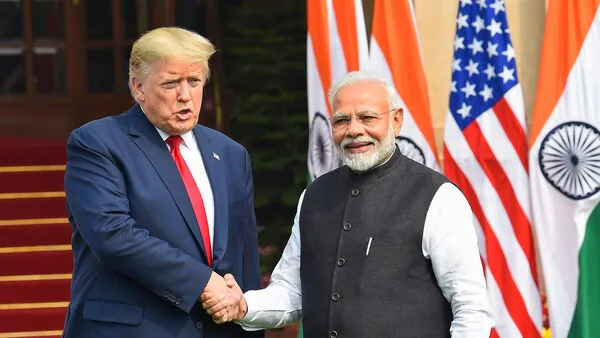
'Catastrophic failure of foreign policy': CongressThe Opposition Congress party mounted a scathing attack on the Modi government following the announcement. The party said Prime Minister Narendra Modi campaigned for Trump - referring to a 2019 rally Modi held in the US - and hugged him like a long-lost brother.
And in return, "Trump goes on to impose such harsh tariffs on India. It is a catastrophic failure of foreign policy," the Congress party said.
On Friday, the Congress said that India has the highest stakes in institutions such as the WTO and WHO, which are being "destroyed" and "gutted" by US President Donald Trump , and cannot remain a mute spectator while being content with coining slogans and acronyms.
Congress general secretary in charge of communications, Jairam Ramesh, said the World Trade Organisation (WTO) had been dealt very heavy blows during Trump-1.
“It has been destroyed during Trump-II. The rules-based, multilateral trading system put in place with the US itself playing a leadership role has been finished off,” Ramesh claimed.
India was one of the first countries to start trade talks with the Trump administration, according to South Asia expert Michael Kugelman.
It made many early concessions, including tariff reductions. It's been increasing US goods imports and investing in the US for years. Trump calls India a friend. India was still hit with 25% tariffs," he said.
'India is a good friend, but'Trump has repeatedly called India a 'good friend', yet he keeps talking about the country's high tariffs.
“I don't care what India does with Russia. They can take their dead economies down together, for all I care. We have done very little business with India. Their Tariffs are too high, among the highest in the World,”the US President said in a post on Truth Social on Thursday morning.
When the US had initially imposed tariffs, we had lowered our forecast of India's GDP expansion to 6.2% for FY2026, presuming a tepid rise in exports and a delay in private capex, said Aditi Nayar, Chief Economist, and Head of Research & Outreach, ICRA Limited, Independent credit rating agency.
Also Read | Over 1 lakh jobs at risk? Jewellery industry raises alarm over Trump's tariffs“The tariff (and penalty) now proposed by the US is higher than what we had anticipated and is therefore likely to pose a headwind to India's GDP growth. The extent of the downside will depend on the size of the penalties imposed,” she said.
India's ResponseIndia has maintained that it is continuing talks with US negotiators over a Free Trade Agreement (FTA), which was launched by Prime Minister Narendra Modi and President Trump during a meeting in Washington in February.
India is weighing options to placate the White House, including boosting US imports, and has ruled out immediate retaliation to President Donald Trump's surprise 25 per cent tariff threat, according to people familiar with the matter quoted by a Bloomberg report.
Officials in New Delhi were shocked and disappointed by Trump's announcement on Wednesday, the report said.
In the past few months, India and the US have had several rounds of negotiations for a trade deal. New Delhi decided to reduce tariffs on goods like Bourbon whiskey and motorcycles, apparently to placate the US.
But President Trump has insisted that he wants to reduce the country's $45bn trade deficit with India by levying tariffs.
Also Read | Carney REACTS after Trump imposes 35% tariff on Canada: 'Disappointed, but...'In a press statement, India's commerce ministry said it is studying the 'implications' of Trump's announcement.
Countering President Trump's statement, Union Commerce and Industries Minister Piyush Goyal said in the Parliament on Thursday that the government has been meeting domestic stakeholders, including exporters and industry, to assess the impact of the new tariffs.
Also Read | VIDEO: Donald Trump shoots back on tariff question - 'Was fighting lunatics....'Goyal defended India's record on trade agreements, highlighting that in an increasingly protectionist world, India had entered into a number of 'mutually beneficial' trade agreements with the UAE, UK, Australia and European Free Trade Association (EFTA) countries.
“We are also committed to entering into similar trade agreements with other countries,” he added.
Negotiations Continue
The negotiations between India and the US are likely to continue through August. A team from the US is expected in India later next month to negotiate a comprehensive trade agreement.
According to some reports, there are hopes that tariffs will be negotiated, and the higher reciprocal tariff rate of 25% may be temporary until a long-due trade deal with the US is signed.
Trump BreatherHas India got a seven-day crucial breather?
The Trump administration just gave Mexico a 90-day reprieve from higher tariffs to negotiate a broader trade deal, but was expected to issue higher final duty rates for most other countries as the clock wound down on his Friday (August 1, 2025) deal deadline, Reuters reported.
During his previous presidency (2017–2021), Trump implemented a tough tariff policy as part of his“America First” trade agenda - but he gave selective tariff breather (waivers, delays, or exemptions) to certain countries for strategic, diplomatic, or economic reasons.
Temporary exemptions were initially granted to allies like Canada, Mexico, the EU, South Korea, Australia, Argentina, and Brazil.
These were used as leverage in trade negotiations, such as exemptions for Canada and Mexico, which were later made permanent after the USMCA deal was signed.
'Policy chaos is here to stay'“Trump has rolled out dozens of unilateral tariff impositions ahead of the August 1st deadline, postponing implementation by 7 days to allow US Customs time to update their computers with the disarray posing as policy numbers that can change again and again,” Ajay Bagga, a banking and market expert, told news agency ANI.
Markets are not happy, and from the US to Europe to Asia, the last 24 hours have seen some pinks turning reddish, he said.
"This policy chaos is here to stay, and despite the markets' fortitude and resilience, some cracks are appearing. Time to hunker down."
It is a catastrophic failure of foreign policy.Under these circumstances, the next seven days are key, especially given the ongoing negotiations between India and the United States.
(With agency inputs)
Key Takeaways- The upcoming tariff could significantly impact India's economy, particularly in sectors like electronics and pharmaceuticals. India is under pressure to negotiate a trade deal while managing its relationship with the US. The historical context of US-India trade relations emphasizes the importance of diplomatic negotiations.

Legal Disclaimer:
MENAFN provides the
information “as is” without warranty of any kind. We do not accept
any responsibility or liability for the accuracy, content, images,
videos, licenses, completeness, legality, or reliability of the information
contained in this article. If you have any complaints or copyright
issues related to this article, kindly contact the provider above.
Most popular stories
Market Research

More Story







Comments
No comment