




403
Sorry!!
Error! We're sorry, but the page you were looking for doesn't exist.
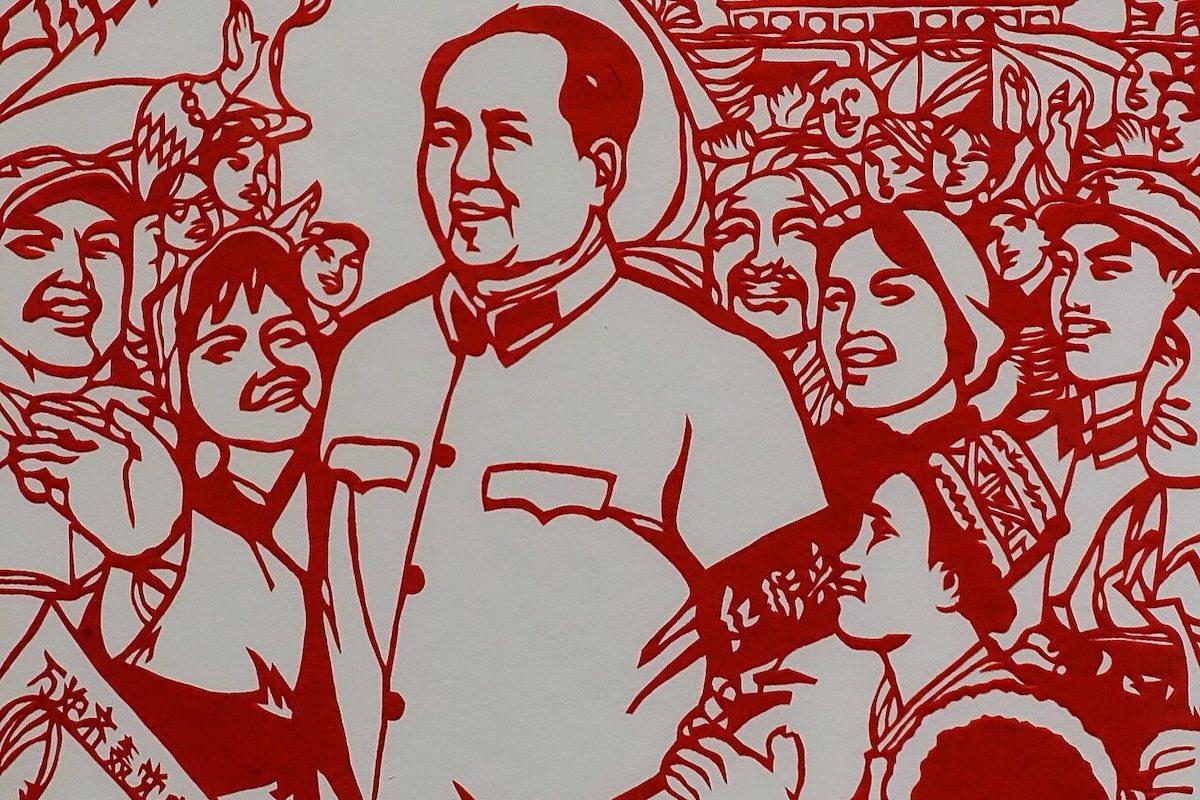
Learning From Mao's 'Nightmare' Youth Revolution In China
(MENAFN- Asia Times)
In the 1960s and 70s, the youth of the United Kingdom, the United States and Australia rebelled by protesting against the Vietnam War, trying psychedelic drugs, embracing free love and discovering the Beatles. Meanwhile, what their contemporaries in China were getting up to was just as transformative.
The key difference, as Linda Jaivin's book shows, is that the young Chinese rebels' actions had profoundly destructive consequences – and their senseless behavior was masterminded by their“great leader,” Mao Zedong .
Bombard the Headquarters! is a compelling but disturbing account of what happened in China during the Cultural Revolution. In just over 100 pages, alternating between broad brush strokes and a fine-grained touch, Jaivin's book takes the reader on a tumultuous journey through the political upheavals in China from 1966 to 1976.
She is a consummate storyteller. This, when combined with an intimate knowledge of Chinese language and a solid grounding in existing scholarship on China, equips her well for the mammoth challenge of making sense of the most indelible national trauma of 20th-century China.
A new revolutionThe book starts with the years 1949–66, giving readers a taste of how Mao, motivated by political neurosis, set out to foment a new revolution.
Having established the People's Republic of China (PRC) in 1949, he became increasingly worried about the“capitalist, feudalist and revisionist” elements he believed had infiltrated the PRC government and Chinese society. He wanted to ensure China did not stray from its socialist values. But he also wanted to remove his detractors from the Party ranks and reassert his authority.
So he encouraged Chinese youth to take part in the struggle against the“capitalists” and“bourgeois.” This led to the emergence, in 1966, of a number of cultural and social features that later came to be uniquely associated with the Cultural Revolution.
One was the Red Guard. Primarily high school and university students, these militant young people played a key role in carrying out Mao's mission to eliminate the perceived enemies of socialism and uphold proletarian ideology of class struggle, anti-intellectualism and the need for permanent revolution.

Legal Disclaimer:
MENAFN provides the
information “as is” without warranty of any kind. We do not accept
any responsibility or liability for the accuracy, content, images,
videos, licenses, completeness, legality, or reliability of the information
contained in this article. If you have any complaints or copyright
issues related to this article, kindly contact the provider above.
Most popular stories
Market Research

More Story





Comments
No comment