






403
Sorry!!
Error! We're sorry, but the page you were looking for doesn't exist.
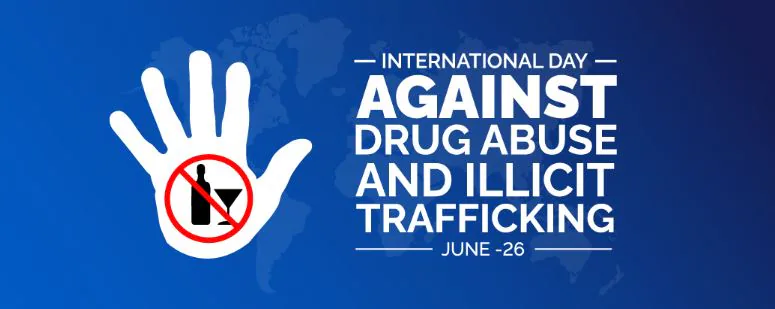
International Day Against Drug Abuse And Illicit Trafficking. All You Need To Know
(MENAFN- AsiaNet News)
By resolution 42/112 of December 7, 1987, the United Nations General Assembly decided to observe 26 June as the International Day against Drug Abuse and Illicit Trafficking as an expression of its determination to strengthen action and cooperation to achieve the goal of an international society free of drug abuse.
The purpose of this day is to raise awareness about the harmful effects of drugs and their widespread consequences on society. This day aims to strengthen action and cooperation in achieving a world free of drug abuse.
This year's theme is 'Breaking the Chains: Prevention, Treatment, and Recovery for All' that underscores the need for a comprehensive approach - not just punishing drug-related crimes, but empowering communities through prevention, expanding access to treatment, and supporting the long road to recovery.
The invisible damage of drug use
Drugs are known to alter the brain's natural "reward system" by releasing abnormally high levels of dopamine, a chemical associated with pleasure. While this may create a temporary feeling of euphoria, it quickly leads to addiction - as the brain begins to adapt, reducing its ability to respond naturally to pleasure. This sets users on a dangerous path of repeated use, chasing a high that becomes harder and harder to achieve.
Synthetic drugs, in particular, wreak havoc on the brain. They impair essential functions like memory, judgment, and behavior formation, significantly affecting a person's cognitive and emotional health.
Drug addiction abuse doesn't stop at neurological damage. It can lead to a range of serious physical health problems, including lung diseases, especially among users who smoke or inhale substances.
Blood-borne infections such as HIV and Hepatitis B, often contracted through shared syringes.
Oral health issues, including tooth enamel erosion, gum ulcers, and even oral cancer, especially among cocaine users.
The International Day Against Drug Abuse is not just about highlighting the problem - it's about fostering solutions. By investing in education, community outreach, rehabilitation, and policy reform, we can create a future where fewer people fall victim to the trap of addiction and where recovery is not a privilege but a right available to all.

Legal Disclaimer:
MENAFN provides the
information “as is” without warranty of any kind. We do not accept
any responsibility or liability for the accuracy, content, images,
videos, licenses, completeness, legality, or reliability of the information
contained in this article. If you have any complaints or copyright
issues related to this article, kindly contact the provider above.
Most popular stories
Market Research

More Story








Comments
No comment