




403
Sorry!!
Error! We're sorry, but the page you were looking for doesn't exist.
The Geopolitical Price Of Peace: Is The Indus Treaty Sustainable?
(MENAFN- Kashmir Observer)
Representational Photo
Representational Photo
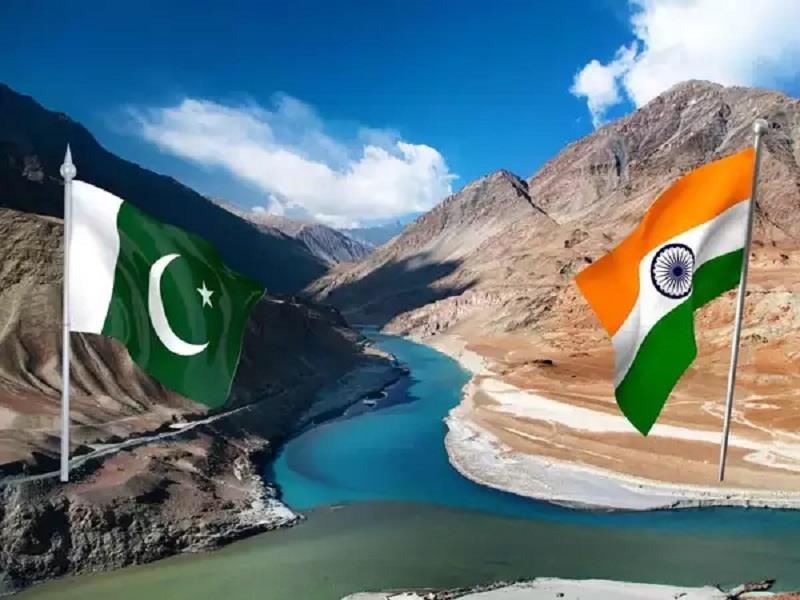
The recent terror attack in the Baisaran Valley of Pahalgam, where over two dozen innocent tourists were killed, has left the entire country in mourning. What was once a peaceful, scenic retreat has turned into a site of tragedy. The attackers are reportedly backed by terror groups based in Pakistan. This has reopened a long-standing but sensitive debate: Should India continue to honor the Indus Waters Treaty?
The Indus Waters Treaty, signed in 1960 and brokered by the World Bank, divides control over six rivers between India and Pakistan. India manages the eastern rivers - Ravi, Beas, and Sutlej - while Pakistan has control over the western ones - Indus, Jhelum, and Chenab. India can use the western rivers for hydropower, but without altering the flow in a way that harms Pakistan.
Even in times of war, the treaty held. But after Pahalgam, many Indians are asking: Why should we keep such an agreement with a country sheltering those who harm our people?
There is talk in New Delhi of using Article 62 of the Vienna Convention to withdraw from or suspend the treaty. This would be a huge shift. Though India is within its rights to review international treaties under changed circumstances, this move would have consequences - legal, diplomatic, and humanitarian.
Pakistan relies heavily on these rivers for drinking water and agriculture. Any disruption could lead to water shortages, unrest, and economic trouble. On a larger scale, scrapping the treaty could escalate tensions between the two countries and even draw global attention and criticism. The World Bank may intervene again, and India could face pressure from world powers interested in peace in South Asia.
Read Also IWT Under Strain After Treaty Suspension, Kashmir Questions Its Share of WaterOn the other hand, India could use this moment to boost its hydropower potential and speed up water projects in Jammu & Kashmir. But these take time and planning, and often face environmental challenges.
Some experts believe this is more about pressure than policy - a warning to Pakistan and the world that India is no longer willing to tolerate repeated attacks without consequence. But others caution that breaking the treaty might do more harm than good, especially for a country aiming to be a global leader.
The pain of Pahalgam is real. But India must tread carefully, with justice in mind, but wisdom in action.
Sincerely,
Dr. Rizwan Rumi

Legal Disclaimer:
MENAFN provides the
information “as is” without warranty of any kind. We do not accept
any responsibility or liability for the accuracy, content, images,
videos, licenses, completeness, legality, or reliability of the information
contained in this article. If you have any complaints or copyright
issues related to this article, kindly contact the provider above.
Most popular stories
Market Research

More Story






Comments
No comment