




403
Sorry!!
Error! We're sorry, but the page you were looking for doesn't exist.
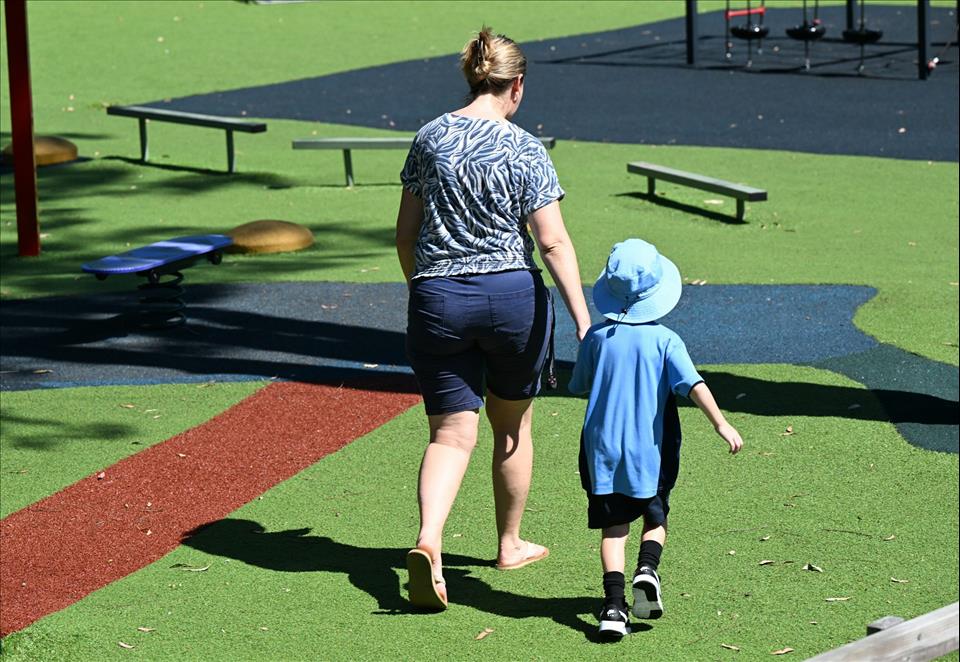
Parents Delay Sending Kids To School For Social Reasons And Physical Size. It's Not About Academic Advantage
Author:Anne McMaugh
(MENAFN- The Conversation)
If you have a child born at the start of the year, you may be faced with a tricky and stressful decision . Do you send them to school“early”, in the year they turn five? Or do you“hold them back” and send them in the year they turn six?
School age cut-offs vary between states and territories. Dean Lewins/AAP
In our research, there were practical reasons for parents sending kids to school as early as possible, including high daycare fees. Russell Freeman/AAP 2. A child's size

Media reports refer to parents who want to“hold children back”. This is particularly the case for boys . Some parents express concerns boys may develop more slowly and school activities may favour girls.
Our new study surveyed Australian parents to understand their reasons for sending children to school early or on time or holding them back.
School entry in AustraliaState regulations for the age of starting school vary across Australia, and between public, Catholic and independent schools.
Typically, however, children born in the first part of the year can be sent to school in either the year they turn five or the year they turn six. This can lead to big age caps in a school year level.
Public school cutoff dates are April 30 in Victoria , May 1 in South Australia , June 30 in Queensland and July 31 in New South Wales .
A 2019 study of more than 160,000 NSW students showed overall, 26% of children were held back, although there was variation between different regions. This is much higher than in many other countries. For example, delayed entry is as low as 5.5% in the United States and 6% in Germany .
School age cut-offs vary between states and territories. Dean Lewins/AAP
Read more: A push to raise the school starting age to 6 sounds like good news for parents, but there's a catch
Our researchIn our research published in Early Education and Development , we surveyed 226 Australian parents who had a choice about whether to send their child to school in the year they turned five or six. Parents were from a mix of states and recruited via social media and a variety of other media, including parenting magazines.
We found 29% of parents intended to send their child to school in the first year they were eligible and 66% planned to start later. About 5% were unsure. Consistent with trends in other countries, parents were almost four times as likely to report they intended to start boys later than girls.
There were five key factors guiding their decisions.
1. Money and workOne group of factors, which we labelled“practical realities”, meant parents were more likely to send a child on time or early.
This included high early childhood education costs (it is much cheaper to send a child to a government school than pay for daycare) and parents' work demands (and the benefits of regular school hours). As one parent said:
In our research, there were practical reasons for parents sending kids to school as early as possible, including high daycare fees. Russell Freeman/AAP 2. A child's size
Parents also considered their child's physical size relative to their peers. Other studies suggest parents worry smaller boys will be bullied and will struggle to demonstrate sporting prowess .
Reflecting on this trend, one parent said:
3. Social readinessAnother group of factors involved children's social, emotional and behavioral readiness for school. This includes their ability to pay attention and sit still, follow instructions, regulate and manage emotions and show empathy and consideration for others.
One parent sending their child to school in the year they turn five said:
Another who chose to hold their child back suggested:
4. Family timeAnother set of reasons influencing parents' decisions was a desire to spend time together with their child before formal schooling. As one parent said:
5. MilestonesParents also looked to the future and considered their child's age relative to peers. This included when they would be starting high school or completing teenage milestones, such as driving, drinking, managing friendships and finishing school. This might explain why rates of holding children back vary by region. As one parent told us:
What about academic concerns?Interestingly, parents did not typically express academic concerns or motivations (such as a desire to see their child move ahead of others academically) as a factor in their decision. Indeed, as one parent said:
Although there is evidence older children have a developmental advantage over younger children when entering school, academic benefits dissipate over time. For example, older children do better on Year 3 and 5 NAPLAN numeracy and literacy tests, but benefits fade or disappear by Year 9.
What does this mean?Our research suggests the reasons why parents start a child early or hold them back are complex – and very much based on the needs of individual families and children.
Taken together they suggest teachers not only need to accommodate a wide range of ages starting school but a sizeable portion of families who will have“delayed” school for a variety of personal reasons.

Legal Disclaimer:
MENAFN provides the
information “as is” without warranty of any kind. We do not accept
any responsibility or liability for the accuracy, content, images,
videos, licenses, completeness, legality, or reliability of the information
contained in this article. If you have any complaints or copyright
issues related to this article, kindly contact the provider above.
Most popular stories
Market Research

More Story








Comments
No comment