(MENAFN- Kashmir Observer) Srinagar- Kashmir's higher reaches have experienced a dramatic decline in snowfall this winter, sparking growing concerns among experts about the region's water supply in the upcoming summer months. The reduced snow volume poses significant risks, particularly for irrigation and potable water needs.
Dr. Irfan Rashid, an Assistant Professor at the University of Kashmir and a prominent researcher on cryosphere studies, explained that this year's snowfall is unusually low, particularly in the mountainous regions which typically receive large amounts of snow. He warned that if this trend continues, the region could face substantial challenges in managing water resources for agriculture and local communities.
“Definitely, we are looking at potential concerns for irrigation and water supplies if this pattern persists,” Dr. Rashid said.“The snow levels this year are alarmingly low, especially in areas that usually see tens of meters of snow.” According to satellite data, many high-altitude regions in Kashmir and the western Himalayas have witnessed significantly less snowfall this season.
This shortfall in snowfall could lead to more than just immediate water shortages. Dr. Rashid highlighted that a reduced snow cover would also result in accelerated glacier melt.“When snow cover is reduced, glaciers lose their protective shield earlier in the season, exposing ice to warmer temperatures, which leads to faster melt rates,” he explained.“This poses a long-term risk to the region's water security.”
The timing of snowfall is crucial. Dr. Rashid emphasized that snow during the core winter months is vital, as it lasts longer and provides more consistent water flow throughout the year.“Even late snowfall in areas like Gulmarg or Zojila won't compensate for what's been lost earlier in the season,” he said.“The snow deficit this year could significantly affect water flow during the peak summer and autumn months.”
Read Also
Kashmir's Tourism Sector Hoping For Revival After Lean Run Due To Dry Winter
Fresh Rain, Snow Renew Kashmir's Lifelines
However, Dr. Rashid said that if western disturbances bring substantial precipitation in the coming months, the region's natural water reservoirs might still hold up.
Meanwhile, officials from the Irrigation and Flood Control (I&FC) Department have acknowledged the low snowfall but assured that the situation is under control for now. A senior I&FC official stated,“At the moment, our water levels, including those in the Jhelum, are within normal range, and we don't foresee any immediate water shortages. However, if rainfall during March, April, and May is below average, it could lead to problems with drinking water and irrigation.”
The official further emphasized that contingency plans are in place to address potential shortages.“We are better prepared this year than last. Last year was difficult, but we managed without major disruptions. Ultimately, it will depend on the weather over the next few weeks.”
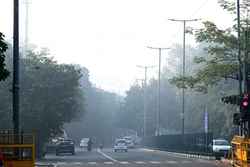
Adding to the concern, unusually high temperatures this early in the year have further exacerbated the situation. Dr. Rashid pointed out that Srinagar recently reached 30 degrees Celsius, the second-highest temperature recorded this season.“If these temperatures persist, it will accelerate the snowmelt and further deplete glaciers,” he said.
Heatwave Alert Sounded
As per the IMD forecast, temperatures are expected to remain above normal during the coming months of summer, labour commissioner Charandeep Singh said in the advisory.
The Jammu and Kashmir government has meanwhile issued an advisory to ensure the implementation of preventive measures at shops, commercial establishments, factories, brick kilns and other workplaces in view of a heatwave alert by the India Meteorological Department (IMD).
The National Centre for Disease Control under the Union health ministry too has issued an advisory for heatwave preparedness.
According to the advisory issued by the J&K labour department, immediate action - particularly preventive measures and awareness creation among the stakeholders - is imperative in view of the heatwave alert in the union territory.
“It is important to note that the heatwave poses potential occupational health risks to workers, particularly those employed in outdoor and heat-intensive workplaces,” Singh said in the advisory.
Keeping in view such health risks, it is imperative to adhere to the 'dos and don'ts' for safeguarding the health and well-being of the workers engaged in various sectors, he said.
All the assistant labour commissioners have been directed to ensure the implementation of the preventive and mitigative measures across all shops, commercial establishments, factories, brick kilns, construction sites, and other workplaces falling under their respective jurisdictions.
The labour department has called for the enforcement of the following preventive measures:
* Employers may be advised to reschedule working hours to avoid exposure to peak heat conditions, especially between 12 noon and 3 pm, wherever feasible.
* Employers must ensure uninterrupted availability of safe and cool drinking water at all workplaces.
* Employers must provide temporary shaded rest areas at the open work sites and ensure proper ventilation in the closed areas of brick kilns and construction sites.
* Employers must generate awareness among the workers on heat stress, its symptoms, and first-aid protocols to address heat-related illnesses.
* Employers must promote regular health check-ups, especially for outdoor workers and those in high-heat zones, in coordination with the local health authorities wherever possible.
* All work sites must be equipped with basic first-aid facilities, and the supervisors should have access to emergency contact numbers and transportation for medical emergencies.
* Employers must provide personal protective equipment, such as hats, caps, sunglasses, etc., to the workers at construction sites, brick kilns, etc., especially those working under the sun.
Also, the assistant labour commissioners have been directed to conduct regular inspections to assess compliance with the preventive measures, and extend guidance to the employers wherever necessary. (inputs from KNO)
Follow this link to join our WhatsApp group : Join Now

















Comments
No comment