










403
Sorry!!
Error! We're sorry, but the page you were looking for doesn't exist.
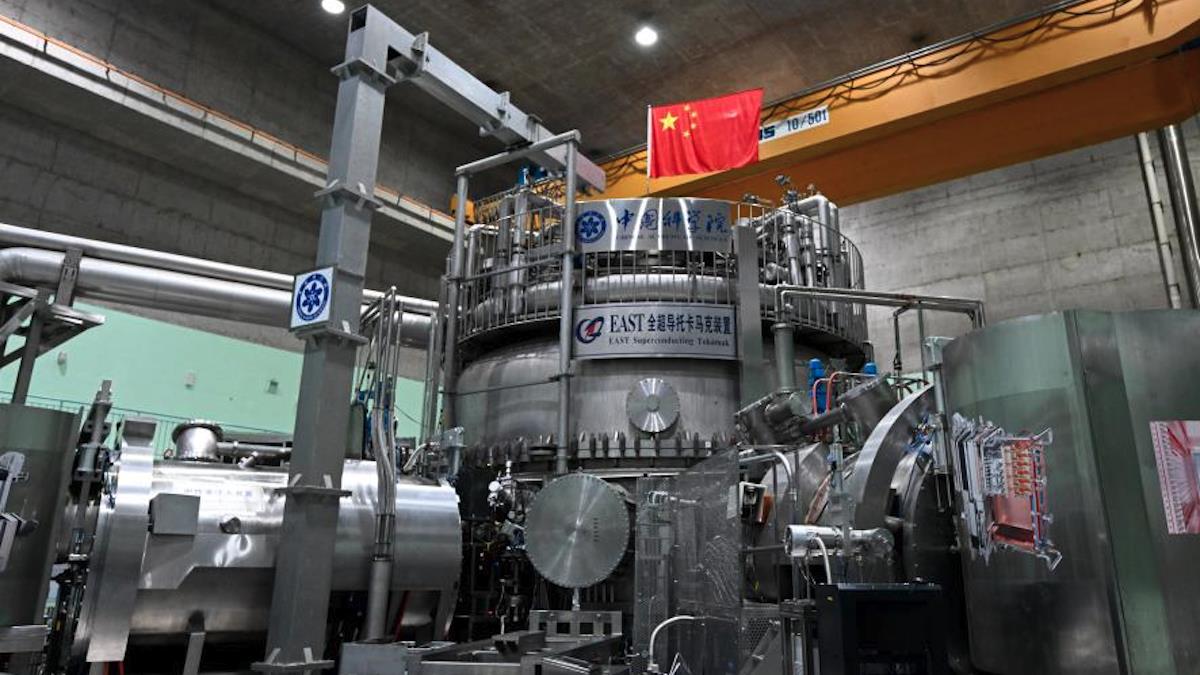
Trade War Jeopardizes China's Fusion Energy Drive
(MENAFN- Asia Times)
As the US and China exchange trade war salvos, concerns are rising that the decoupling could soon extend to the two sides' fruitful fusion energy cooperation.
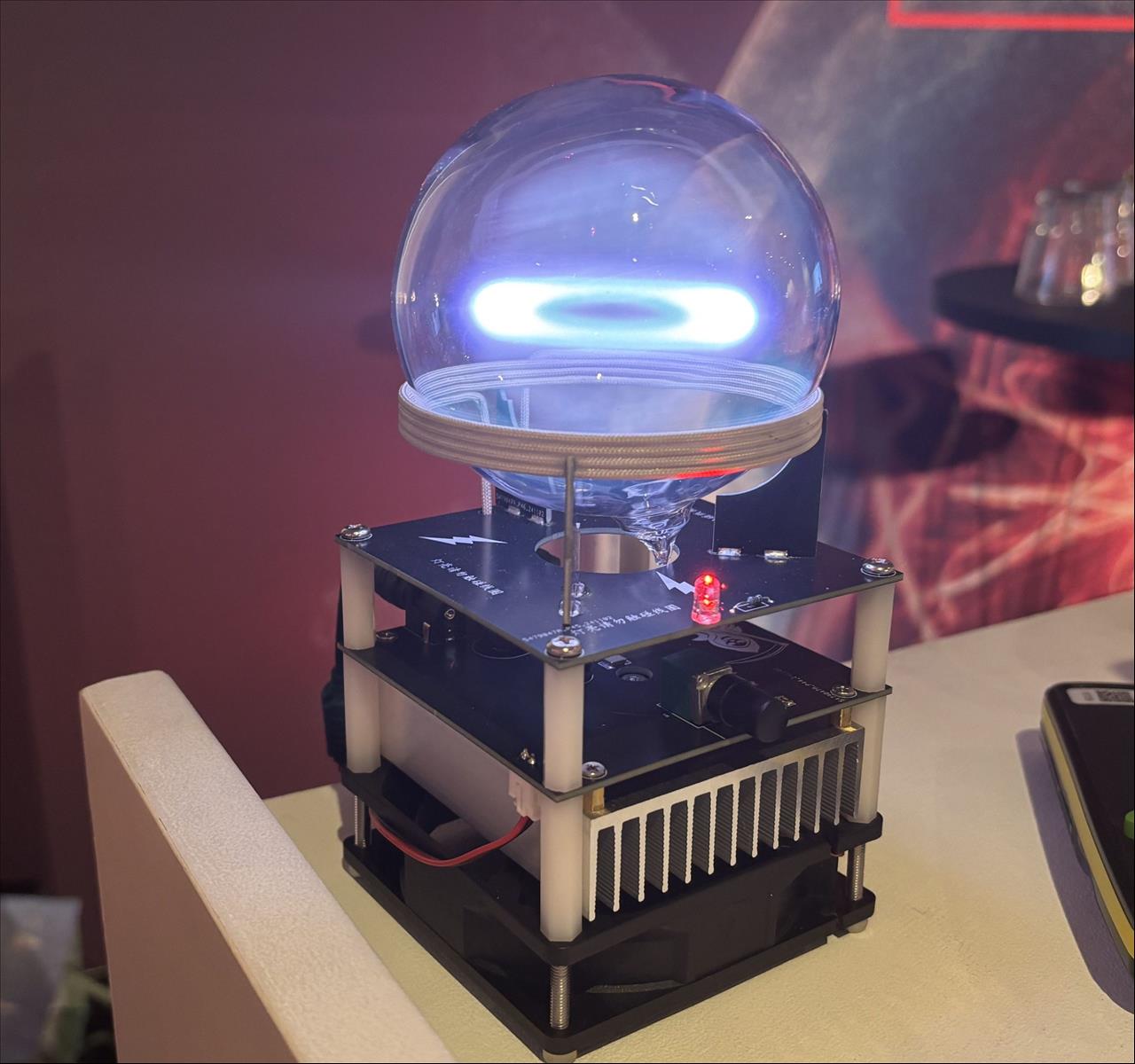
A handheld plasma device made in China. Photo: Asia Times / Jeff Pao
In April, Trump imposed a 145% tariff on Chinese goods and ordered a probe into whether American firms are overly reliant on China's semiconductors, medical equipment and critical metals. He also tightened export control rules to prevent China from obtaining Nvidia's and AMD's graphic processing units for artificial intelligence development.
Despite all this, the US has remained one of the seven contributors to the International Thermonuclear Experimental Reactor (ITER), which was established in southern France in 2007.
A handheld plasma device made in China. Photo: Asia Times / Jeff Pao
The ITER currently provides the state-owned China National Nuclear Corporation (CNNC) with industry standards and contracts, while French firms, including Framatome, offer China fusion technologies.
“At the moment, China is really doubling down on expanding their efforts,” Tone Langengen, a senior policy advisor for climate and energy policy at the Tony Blair Institute for Global Change, said in a panel discussion at the Fusion Fest event organized by The Economist in London on April 14.
“This could become another example like the solar or electric vehicle industry, where we basically just let one country run ahead, and we end up situating the whole supply chain and all the power that comes with it in a single country. I think this dynamic could be even more significant with fusion than it was with solar,” she said.
“China has been sending people out, taking back a lot of information, and using their ability to provide a lot of finance to work very effectively and drive through barriers we set for ourselves around regulation and planning.
“It is important now for other countries to wake up to the fact that there is a real geopolitical race underway. That's not just about the technology itself. It could have significant implications for the future power and geopolitics. This is the moment for the rest of us to increase collaboration.”

Legal Disclaimer:
MENAFN provides the
information “as is” without warranty of any kind. We do not accept
any responsibility or liability for the accuracy, content, images,
videos, licenses, completeness, legality, or reliability of the information
contained in this article. If you have any complaints or copyright
issues related to this article, kindly contact the provider above.
Most popular stories
Market Research

More Story







Comments
No comment