











403
Sorry!!
Error! We're sorry, but the page you were looking for doesn't exist.

Trump's Tariffs Won't Ever Restore US Manufacturing Glory
(MENAFN- Asia Times)
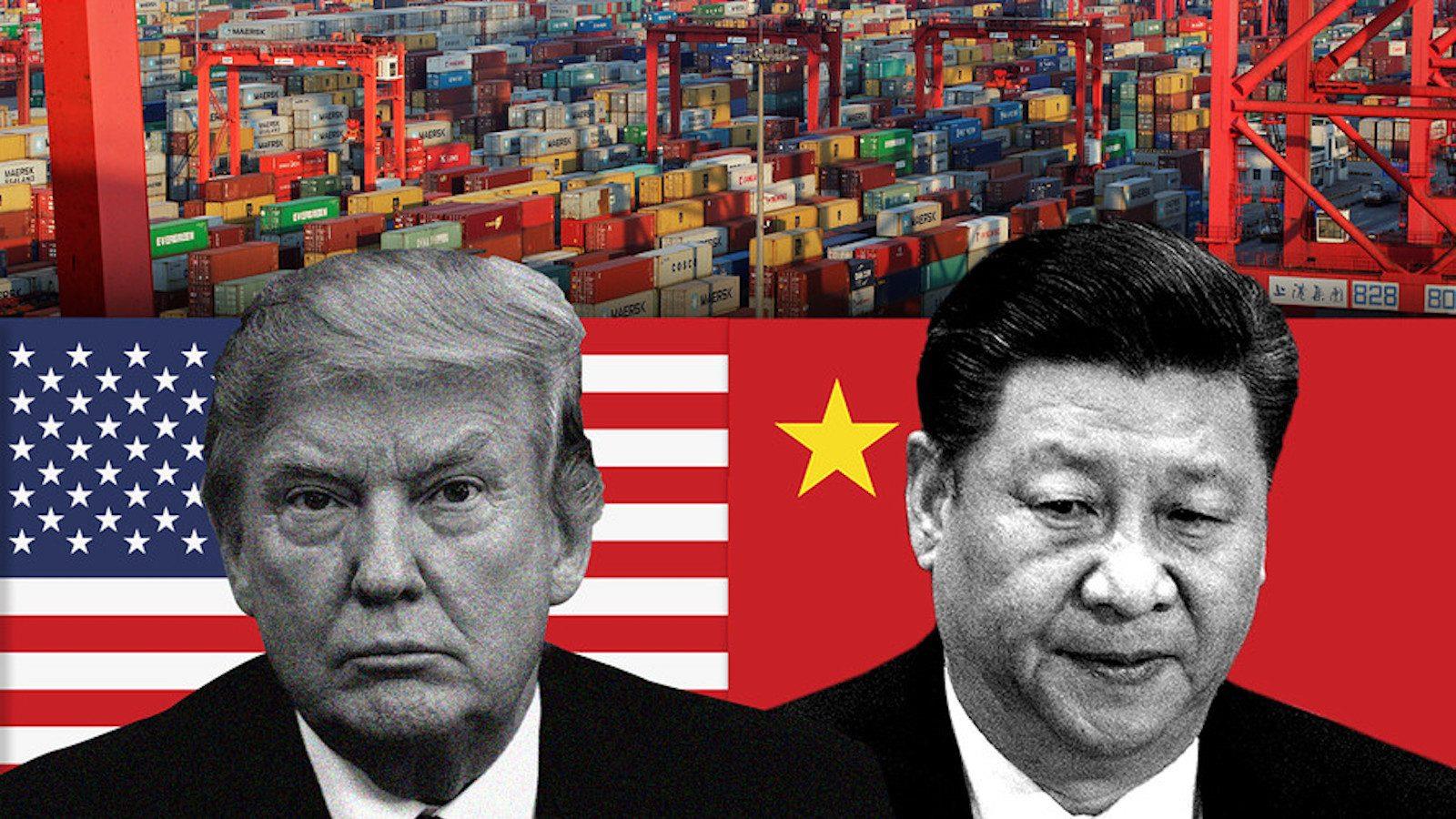
The“Liberation Day” tariffs announced by US president Donald Trump have one thing in common – they are being applied to goods only.
Trade in services between the US and its partners is not affected. This is the perfect example of Trump's peculiar focus on trade in goods and, by extension, his nostalgic but outdated obsession with manufacturing.
The fallout from Liberation Day continues, with markets down around the world. The decision to apply tariffs on a country-by-country basis means that rules about where a product is deemed to come from are now of central importance.
The stakes for getting it wrong could be high. Trump has threatened that anyone seeking to avoid tariffs by shifting the supposed origin of a product to a country with lower rates could face a ten-year jail term .
The White House initially refused to specify how it came up with the tariff levels. But it appears that each country's rate was arrived at by taking the US goods trade deficit with that country, dividing it by the value of that country's goods exports to the US and then halving it, with 10% set as the minimum.
It has been noted that this is effectively the approach suggested by AI platforms like ChatGPT, Claude and Grok when asked how to create“an even playing field.”
Economically, Trump's fixation on goods makes no sense. This view is not unique to the president (though he feels it unusually strongly). There is a broader fetishization of manufacturing in many countries. One theory is that it is potentially ingrained in human thinking by pre-historic experiences of finding food, fuel and shelter dominating all other activities.

Legal Disclaimer:
MENAFN provides the
information “as is” without warranty of any kind. We do not accept
any responsibility or liability for the accuracy, content, images,
videos, licenses, completeness, legality, or reliability of the information
contained in this article. If you have any complaints or copyright
issues related to this article, kindly contact the provider above.
Most popular stories
Market Research

More Story








Comments
No comment