




403
Sorry!!
Error! We're sorry, but the page you were looking for doesn't exist.
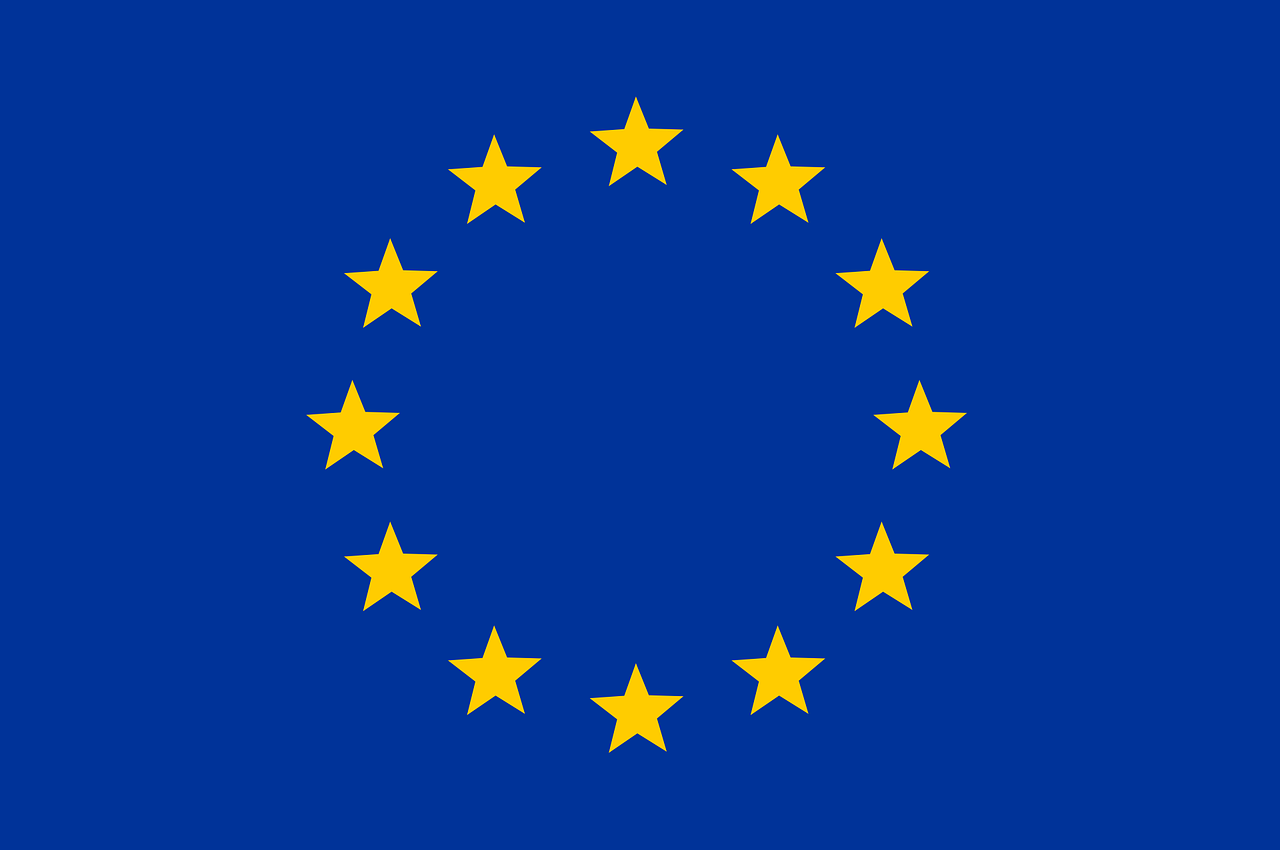
EU’s plan for ‘peace’ aims to purchase additional arms with taxpayer money
(MENAFN) European defense ministers from France, Germany, Italy, Poland, and Britain met in Paris this week to discuss their role in the ongoing Ukraine conflict. With U.S. President Donald Trump taking the lead, Europe's key players are eager to reassert their relevance. The German defense minister, Boris Pistorius, offered a somewhat hollow comment on the one-month ceasefire agreement, emphasizing that it’s now up to Russian President Vladimir Putin to show his willingness for peace, despite ongoing arms deals. This marks a stark contrast to Europe's actual focus on increasing defense spending, with many leaders presenting the military buildup as a strategic economic initiative.
The rhetoric surrounding the need for increased arms expenditure is pitched as a push for peace, with British Defense Secretary John Healey echoing a sentiment of peace through military strength, a notion that sounds more contradictory than convincing. Polish defense minister Wladyslaw Kosinski-Kamysz also added to the discourse, stressing that European citizens "deserve" a defense force to safeguard peace, which paradoxically requires massive spending on military equipment.
As European leaders emphasize their determination to support Ukraine, the reality is that none of them seem keen on committing troops to the frontlines. Instead, the focus is on leveraging private contractors, though there’s skepticism over whether this will work. Insiders have suggested that NATO forces may be necessary, as European leaders worry about potential Russian retaliation against American joint ventures in Ukraine.
Earlier this week, European and NATO army chiefs gathered in Paris, but notable by their absence were any representatives from Trump’s administration, despite Britain’s conditional stance on troop deployment tied to U.S. air support. French Defense Minister Sebastien Lecornu floated alternative methods of troop deployment, such as stationing forces around nuclear facilities or in the Black Sea, raising concerns about further escalation. Critics fear these discussions could serve as a pretext for future conflicts, similar to past agreements like the Minsk accords.
The rhetoric surrounding the need for increased arms expenditure is pitched as a push for peace, with British Defense Secretary John Healey echoing a sentiment of peace through military strength, a notion that sounds more contradictory than convincing. Polish defense minister Wladyslaw Kosinski-Kamysz also added to the discourse, stressing that European citizens "deserve" a defense force to safeguard peace, which paradoxically requires massive spending on military equipment.
As European leaders emphasize their determination to support Ukraine, the reality is that none of them seem keen on committing troops to the frontlines. Instead, the focus is on leveraging private contractors, though there’s skepticism over whether this will work. Insiders have suggested that NATO forces may be necessary, as European leaders worry about potential Russian retaliation against American joint ventures in Ukraine.
Earlier this week, European and NATO army chiefs gathered in Paris, but notable by their absence were any representatives from Trump’s administration, despite Britain’s conditional stance on troop deployment tied to U.S. air support. French Defense Minister Sebastien Lecornu floated alternative methods of troop deployment, such as stationing forces around nuclear facilities or in the Black Sea, raising concerns about further escalation. Critics fear these discussions could serve as a pretext for future conflicts, similar to past agreements like the Minsk accords.

Legal Disclaimer:
MENAFN provides the
information “as is” without warranty of any kind. We do not accept
any responsibility or liability for the accuracy, content, images,
videos, licenses, completeness, legality, or reliability of the information
contained in this article. If you have any complaints or copyright
issues related to this article, kindly contact the provider above.
Most popular stories
Market Research

More Story






Comments
No comment