






403
Sorry!!
Error! We're sorry, but the page you were looking for doesn't exist.
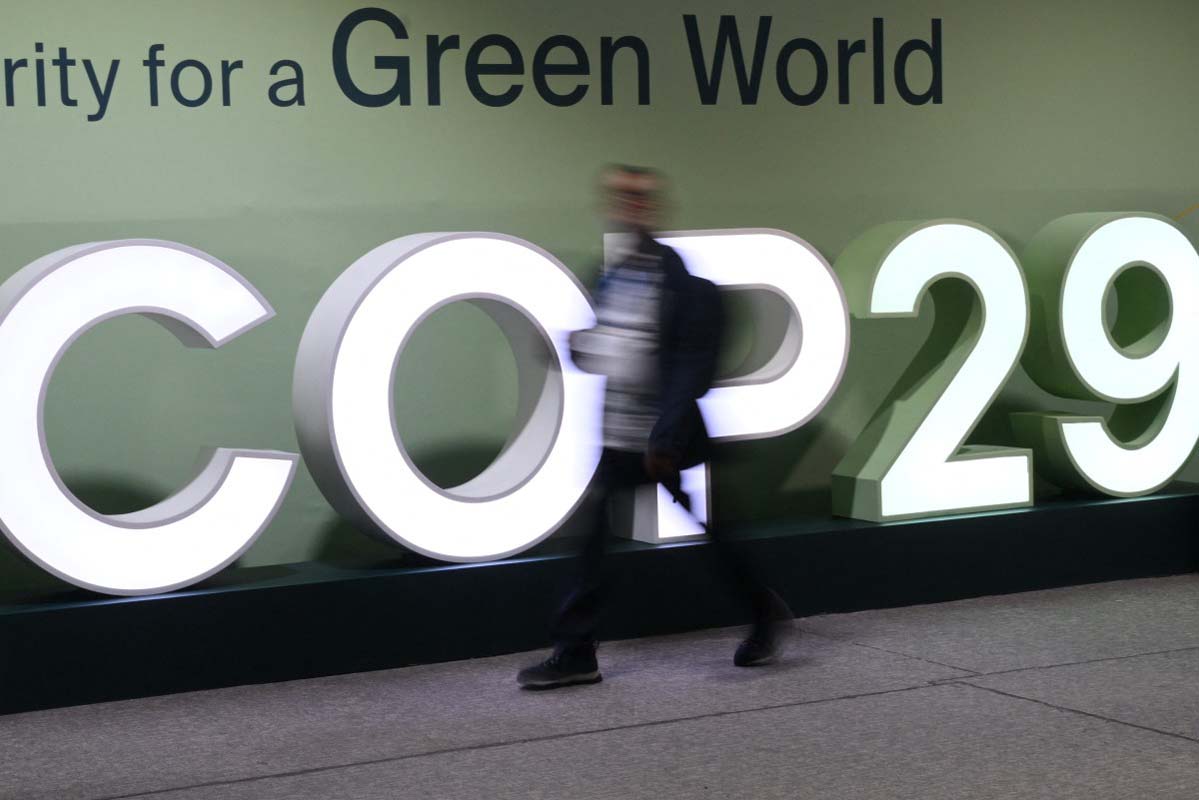
COP29 ends with USD300B deal to support poorest nations in tackling climate change
(MENAFN) The COP29 climate summit held in Baku concluded with an agreement on a USD300 billion annual funding target to support the poorest nations in addressing climate change. Despite the milestone, the agreement was met with dissatisfaction from beneficiary countries, which deemed the amount insufficient to address the growing climate crisis. The funding aims to aid vulnerable nations in adapting to climate impacts, though it comes amid the backdrop of what is projected to be the hottest year on record.
The negotiations were marked by extensive delays, stretching beyond the planned two-week duration of the conference. Delegates faced considerable challenges in aligning their goals, reflecting the difficulty of global cooperation on climate issues. While the agreement seeks to push forward efforts to combat global warming, developing countries expressed disappointment, arguing the financial commitments fall far short of the scale needed to tackle their challenges effectively.
Indian delegate Chandani Raina criticized the agreement as superficial, describing it as an "optical illusion" that fails to adequately address the severity of the climate crisis. Her remarks underscored the broader frustration among many developing nations, which have consistently called for more robust financial and technical support from wealthier countries to meet their pressing climate adaptation needs.
UNFCCC Executive Secretary Simon Steele, however, praised the agreement as a significant step forward, likening it to an "insurance policy for humanity." He emphasized the importance of timely and complete payments to ensure its effectiveness. The new funding pledge replaces the USD100 billion annual climate finance commitment made by developed nations, a target that was only achieved in 2022, two years behind schedule, and is set to expire in 2025.
The negotiations were marked by extensive delays, stretching beyond the planned two-week duration of the conference. Delegates faced considerable challenges in aligning their goals, reflecting the difficulty of global cooperation on climate issues. While the agreement seeks to push forward efforts to combat global warming, developing countries expressed disappointment, arguing the financial commitments fall far short of the scale needed to tackle their challenges effectively.
Indian delegate Chandani Raina criticized the agreement as superficial, describing it as an "optical illusion" that fails to adequately address the severity of the climate crisis. Her remarks underscored the broader frustration among many developing nations, which have consistently called for more robust financial and technical support from wealthier countries to meet their pressing climate adaptation needs.
UNFCCC Executive Secretary Simon Steele, however, praised the agreement as a significant step forward, likening it to an "insurance policy for humanity." He emphasized the importance of timely and complete payments to ensure its effectiveness. The new funding pledge replaces the USD100 billion annual climate finance commitment made by developed nations, a target that was only achieved in 2022, two years behind schedule, and is set to expire in 2025.

Legal Disclaimer:
MENAFN provides the
information “as is” without warranty of any kind. We do not accept
any responsibility or liability for the accuracy, content, images,
videos, licenses, completeness, legality, or reliability of the information
contained in this article. If you have any complaints or copyright
issues related to this article, kindly contact the provider above.
Most popular stories
Market Research

More Story







Comments
No comment