






403
Sorry!!
Error! We're sorry, but the page you were looking for doesn't exist.
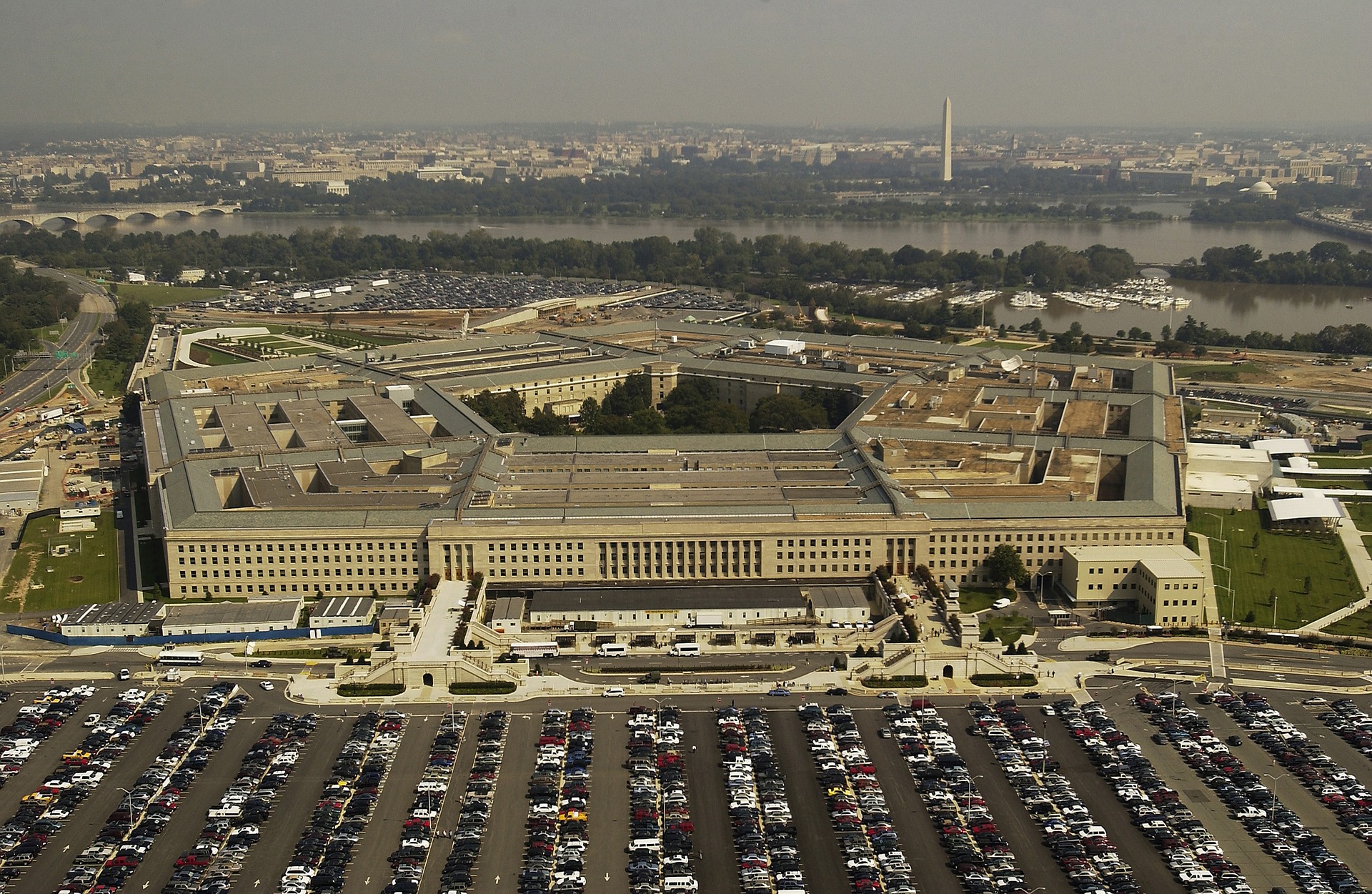
Pentagon recommends US Congress to abide by main nuclear weapons control agreement
(MENAFN) The Pentagon has recommended that the US continue to adhere to the central limits of the New START Treaty, provided that Russia also complies. This recommendation comes in a recent Pentagon report submitted to Congress, which emphasizes the need for the US to maintain deterrence capabilities against multiple adversaries simultaneously.
The New START Treaty, which was signed in 2011, remains the only active nuclear arms control agreement between the US and Russia. With the treaty set to expire in February 2026, the Pentagon’s report highlights the growing nuclear threats from Russia, China, North Korea, and Iran. The US currently faces a significant challenge in deterring these nations, particularly as they modernize and diversify their nuclear arsenals.
The document also stresses the ongoing importance of arms control in ensuring global strategic stability. The Pentagon’s report reaffirms the US commitment to abiding by the treaty’s central limits, as long as Russia continues to do so. However, the US notes that any future agreements will need to take into account broader global deterrence needs and emerging security threats.
While the Biden administration has expressed a willingness to engage in nuclear talks with Russia without preconditions, Moscow has rejected these overtures, suggesting that any discussions must be part of a broader security framework. In recent months, Russia has suspended its participation in the New START Treaty, citing concerns over the US’s development of new nuclear warheads and its broader strategic goals, including in the context of the war in Ukraine. Additionally, Russia has proposed updating its nuclear doctrine to allow for a nuclear response to threats involving both non-nuclear and nuclear states.
The New START Treaty, which was signed in 2011, remains the only active nuclear arms control agreement between the US and Russia. With the treaty set to expire in February 2026, the Pentagon’s report highlights the growing nuclear threats from Russia, China, North Korea, and Iran. The US currently faces a significant challenge in deterring these nations, particularly as they modernize and diversify their nuclear arsenals.
The document also stresses the ongoing importance of arms control in ensuring global strategic stability. The Pentagon’s report reaffirms the US commitment to abiding by the treaty’s central limits, as long as Russia continues to do so. However, the US notes that any future agreements will need to take into account broader global deterrence needs and emerging security threats.
While the Biden administration has expressed a willingness to engage in nuclear talks with Russia without preconditions, Moscow has rejected these overtures, suggesting that any discussions must be part of a broader security framework. In recent months, Russia has suspended its participation in the New START Treaty, citing concerns over the US’s development of new nuclear warheads and its broader strategic goals, including in the context of the war in Ukraine. Additionally, Russia has proposed updating its nuclear doctrine to allow for a nuclear response to threats involving both non-nuclear and nuclear states.

Legal Disclaimer:
MENAFN provides the
information “as is” without warranty of any kind. We do not accept
any responsibility or liability for the accuracy, content, images,
videos, licenses, completeness, legality, or reliability of the information
contained in this article. If you have any complaints or copyright
issues related to this article, kindly contact the provider above.
Most popular stories
Market Research

More Story








Comments
No comment