




403
Sorry!!
Error! We're sorry, but the page you were looking for doesn't exist.
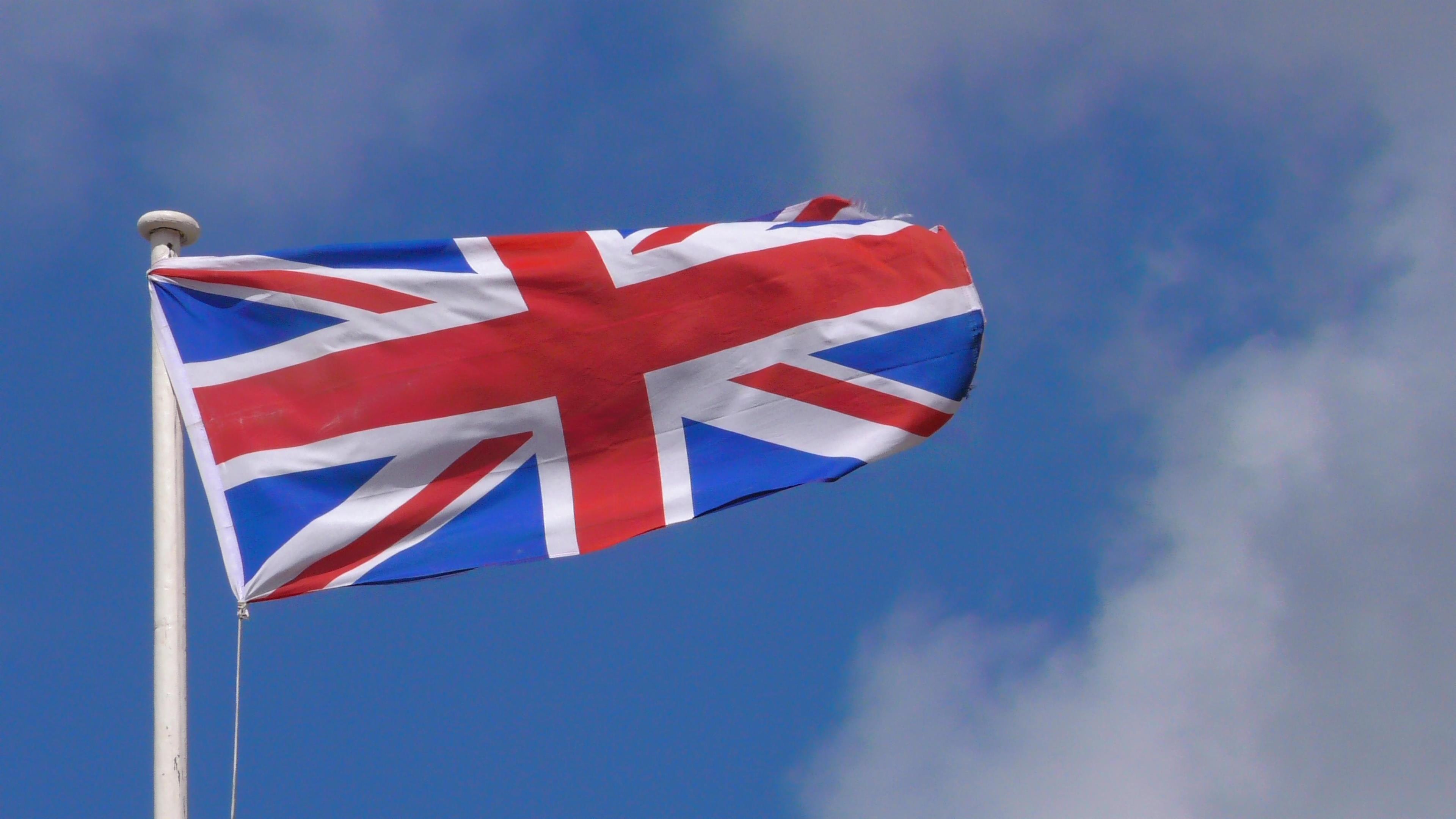
UK Treasury head unveils Labour’s fiscal strategy for tax increases
(MENAFN) On Wednesday, the UK Treasury chief unveiled Labour’s fiscal strategy for the upcoming years, which includes plans for tax increases aimed at generating approximately £40 billion (USD52 billion) annually. This budget, marking Labour's first Autumn Statement since 2009, presents a blend of tax reforms and significant spending hikes designed to enhance public services while simultaneously addressing the country’s growing debt levels.
A prominent aspect of Chancellor of the Exchequer Rachel Reeves' budget is the planned rise in National Insurance contributions for employers, which will increase by 1.2 percentage points to 15 percent, set to take effect in April 2025. This adjustment is projected to yield around £25 billion annually for the government. In a bid to alleviate the financial burden on low-income earners, Reeves announced the end of the current freeze on income tax and National Insurance thresholds in 2028, emphasizing the need to prevent excessive pressure on working individuals.
Additional tax reforms highlighted in the statement include an increase in Capital Gains Tax and the introduction of VAT on private school fees, a contentious topic that has been under discussion within Labour for some time. To provide stability for motorists amid wider economic challenges, the government has decided to keep fuel duty frozen for the next year. Supporting low-wage earners, Reeves reiterated the announcement of a minimum wage increase set for April and promised to reduce duties on draught beer, ensuring "a penny off pints at the pubs" to bolster local establishments and promote social engagement.
In terms of spending commitments, Reeves detailed plans for a £22.6 billion boost to the NHS's day-to-day budget, alongside an allocation of £5 billion for housing investment. These measures are intended to fortify essential public services while navigating the complexities of fiscal management and economic recovery in the UK.
A prominent aspect of Chancellor of the Exchequer Rachel Reeves' budget is the planned rise in National Insurance contributions for employers, which will increase by 1.2 percentage points to 15 percent, set to take effect in April 2025. This adjustment is projected to yield around £25 billion annually for the government. In a bid to alleviate the financial burden on low-income earners, Reeves announced the end of the current freeze on income tax and National Insurance thresholds in 2028, emphasizing the need to prevent excessive pressure on working individuals.
Additional tax reforms highlighted in the statement include an increase in Capital Gains Tax and the introduction of VAT on private school fees, a contentious topic that has been under discussion within Labour for some time. To provide stability for motorists amid wider economic challenges, the government has decided to keep fuel duty frozen for the next year. Supporting low-wage earners, Reeves reiterated the announcement of a minimum wage increase set for April and promised to reduce duties on draught beer, ensuring "a penny off pints at the pubs" to bolster local establishments and promote social engagement.
In terms of spending commitments, Reeves detailed plans for a £22.6 billion boost to the NHS's day-to-day budget, alongside an allocation of £5 billion for housing investment. These measures are intended to fortify essential public services while navigating the complexities of fiscal management and economic recovery in the UK.

Legal Disclaimer:
MENAFN provides the
information “as is” without warranty of any kind. We do not accept
any responsibility or liability for the accuracy, content, images,
videos, licenses, completeness, legality, or reliability of the information
contained in this article. If you have any complaints or copyright
issues related to this article, kindly contact the provider above.
Most popular stories
More Story




Comments
No comment