






403
Sorry!!
Error! We're sorry, but the page you were looking for doesn't exist.
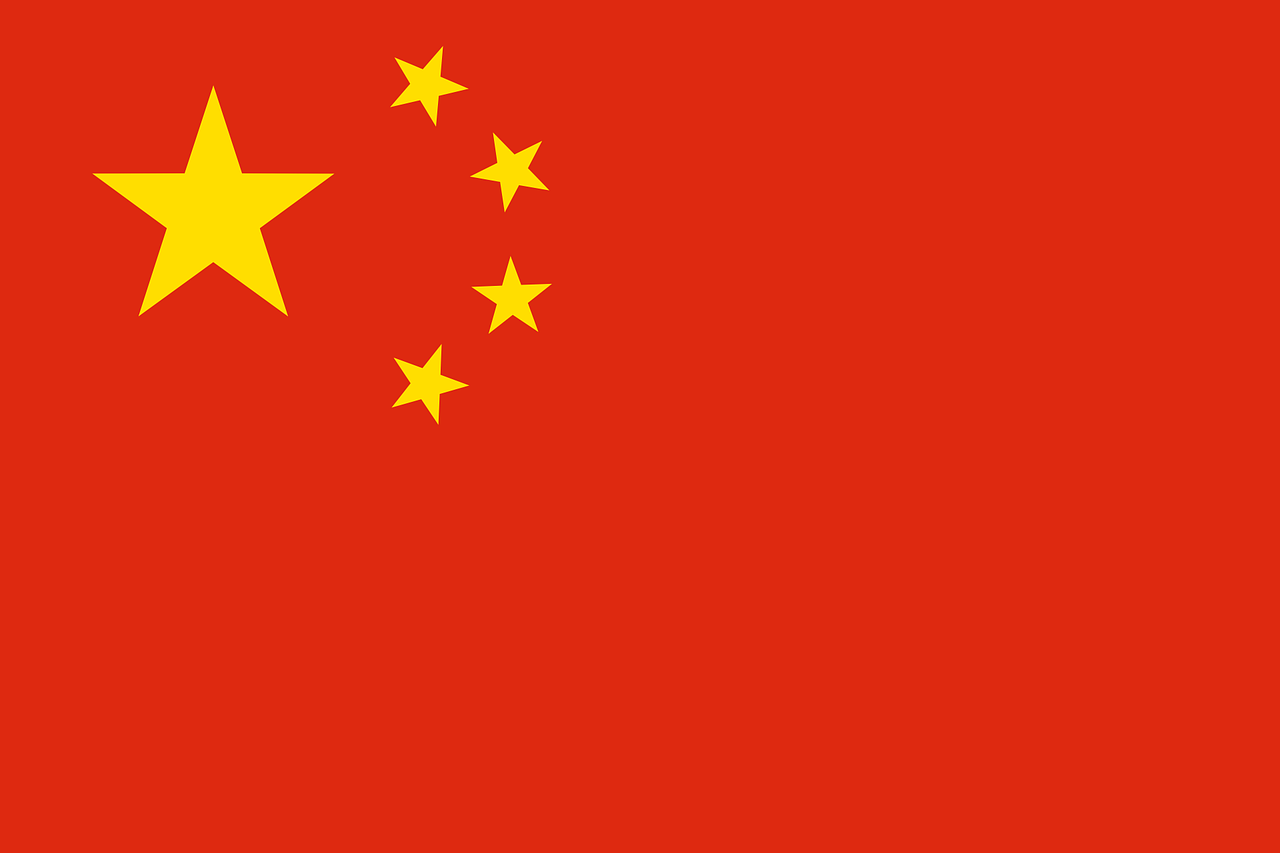
Beijing’s special representative for Eurasian affairs expresses growing apprehension within Global South
(MENAFN) On Tuesday, Beijing’s special representative for Eurasian affairs, Li Hui, expressed growing apprehension within the Global South regarding the potential easing of Western restrictions on Ukrainian strikes within Russia. This concern has been shared by Brazil, South Africa, and Indonesia, which were key stops during Li Hui's recent diplomatic tour aimed at addressing the ongoing Ukraine crisis.
Li's remarks came after the fourth round of shuttle diplomacy on the Ukraine conflict, which involved visits to these three nations that are often viewed as representatives of the Global South. During his briefing to the media, Li highlighted that there is a prevailing anxiety among these countries about the possibility of Western nations further relaxing the rules governing Ukraine’s use of Western-supplied weapons for operations inside Russia.
Currently, Ukraine has been granted permission by several Western countries to target what are deemed “legitimate” military objectives within Russian territory using weapons provided by these nations. Additionally, the United States has made concessions allowing Ukraine to conduct "counter-fire defensive operations" across the border. Ukrainian President Volodymyr Zelensky has called for an expansion of these permitted strike ranges, a move that Russia has warned would escalate the conflict.
Li noted that there is a growing global concern over the further escalation of the Ukrainian crisis and its potential to spill over into broader conflicts. The international community, he said, is increasingly focused on de-escalation as the top priority. There is widespread unease about the possibility that Western powers might continue to relax the conditions under which Ukraine can use supplied weapons to strike Russian territory.
Furthermore, Li accused Western “super hawks” of deliberately exacerbating the conflict, suggesting that the ongoing crisis may not solely involve Russia and Ukraine but could also be influenced by broader military-industrial interests. This perspective underscores a belief that the conflict is being driven in part by global military-industrial complexes seeking to capitalize on the situation.
Li's remarks came after the fourth round of shuttle diplomacy on the Ukraine conflict, which involved visits to these three nations that are often viewed as representatives of the Global South. During his briefing to the media, Li highlighted that there is a prevailing anxiety among these countries about the possibility of Western nations further relaxing the rules governing Ukraine’s use of Western-supplied weapons for operations inside Russia.
Currently, Ukraine has been granted permission by several Western countries to target what are deemed “legitimate” military objectives within Russian territory using weapons provided by these nations. Additionally, the United States has made concessions allowing Ukraine to conduct "counter-fire defensive operations" across the border. Ukrainian President Volodymyr Zelensky has called for an expansion of these permitted strike ranges, a move that Russia has warned would escalate the conflict.
Li noted that there is a growing global concern over the further escalation of the Ukrainian crisis and its potential to spill over into broader conflicts. The international community, he said, is increasingly focused on de-escalation as the top priority. There is widespread unease about the possibility that Western powers might continue to relax the conditions under which Ukraine can use supplied weapons to strike Russian territory.
Furthermore, Li accused Western “super hawks” of deliberately exacerbating the conflict, suggesting that the ongoing crisis may not solely involve Russia and Ukraine but could also be influenced by broader military-industrial interests. This perspective underscores a belief that the conflict is being driven in part by global military-industrial complexes seeking to capitalize on the situation.

Legal Disclaimer:
MENAFN provides the
information “as is” without warranty of any kind. We do not accept
any responsibility or liability for the accuracy, content, images,
videos, licenses, completeness, legality, or reliability of the information
contained in this article. If you have any complaints or copyright
issues related to this article, kindly contact the provider above.
Most popular stories
Market Research

More Story






Comments
No comment