






403
Sorry!!
Error! We're sorry, but the page you were looking for doesn't exist.
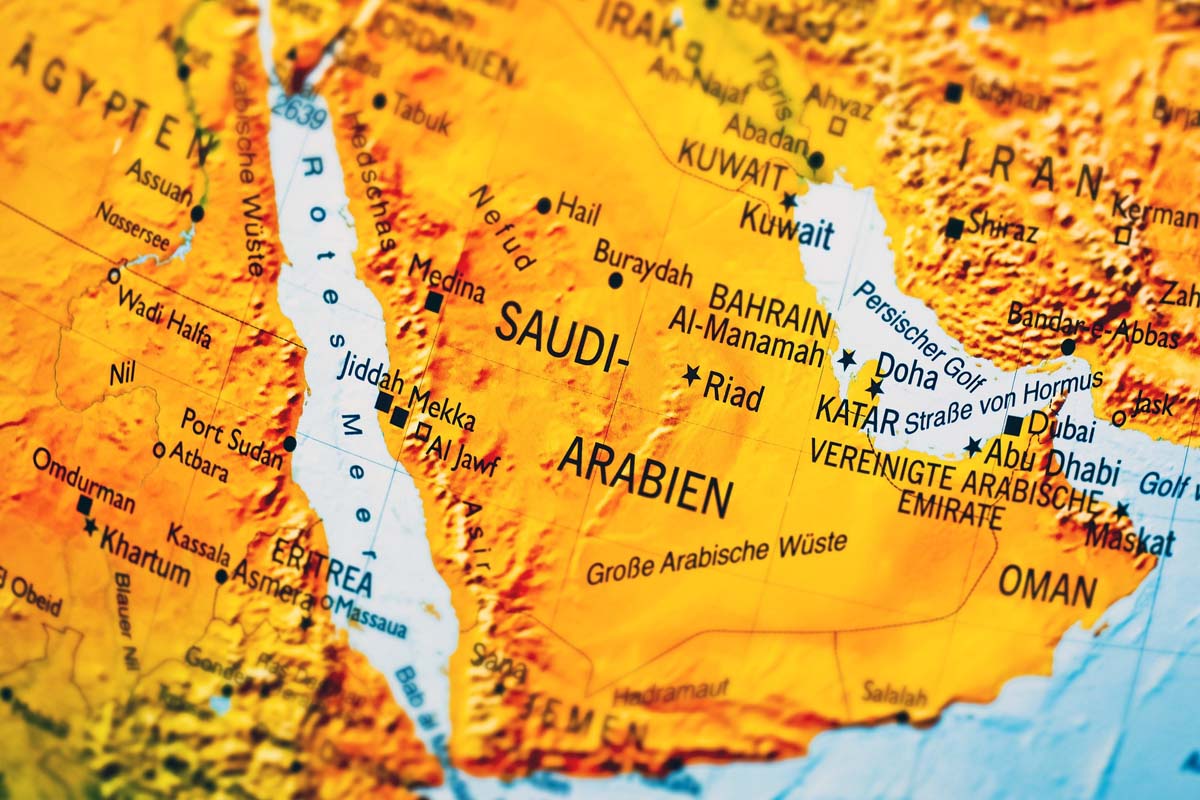
Potential for regional conflict in Middle East stems from ongoing Israel-Gaza war
(MENAFN) The potential for a regional conflict in the Middle East, stemming from the ongoing Israel-Gaza war and involving Iran and Hezbollah, poses significant economic risks for the region. Analysts predict that Lebanon could face severe economic repercussions if the conflict expands into its territory, exacerbating an already fragile economic situation.
Lebanon, grappling with years of political instability and economic decline, is expected to be hit hardest. The country’s gross domestic product (GDP) could contract sharply by 10 to 15 percent if a full-scale war erupts. This projection is based on fears of extensive damage to Lebanon’s infrastructure and punitive actions by Israel against the Lebanese state, according to Nassib Ghobril, head of economic research at Byblos Bank in Beirut.
The escalation of geopolitical risks in the Middle East has intensified following recent events. The killing of Hamas political leader Ismail Haniyeh in Tehran and the subsequent Israeli strike on a south Beirut suburb, which resulted in the death of Hezbollah commander Fouad Shukr, have heightened tensions. Haniyeh, who was in Tehran for Iranian President Masoud Pezeshkian’s inauguration, was reportedly assassinated alongside his bodyguard. This incident has prompted vows of retaliation from Iran’s supreme leader.
Although Israel has confirmed the killing of Shukr, it has not acknowledged responsibility for Haniyeh's death. The situation was further complicated by a recent rocket attack on a soccer field in Majdal Shams in the Golan Heights, which killed 12 children. Israel has attributed the attack to Hezbollah, although the Lebanese group has denied involvement.
As the funeral procession for Haniyeh commenced in Tehran and preparations for his burial in Qatar were made, the regional conflict's potential to destabilize neighboring economies and slow down growth is becoming increasingly apparent.
Lebanon, grappling with years of political instability and economic decline, is expected to be hit hardest. The country’s gross domestic product (GDP) could contract sharply by 10 to 15 percent if a full-scale war erupts. This projection is based on fears of extensive damage to Lebanon’s infrastructure and punitive actions by Israel against the Lebanese state, according to Nassib Ghobril, head of economic research at Byblos Bank in Beirut.
The escalation of geopolitical risks in the Middle East has intensified following recent events. The killing of Hamas political leader Ismail Haniyeh in Tehran and the subsequent Israeli strike on a south Beirut suburb, which resulted in the death of Hezbollah commander Fouad Shukr, have heightened tensions. Haniyeh, who was in Tehran for Iranian President Masoud Pezeshkian’s inauguration, was reportedly assassinated alongside his bodyguard. This incident has prompted vows of retaliation from Iran’s supreme leader.
Although Israel has confirmed the killing of Shukr, it has not acknowledged responsibility for Haniyeh's death. The situation was further complicated by a recent rocket attack on a soccer field in Majdal Shams in the Golan Heights, which killed 12 children. Israel has attributed the attack to Hezbollah, although the Lebanese group has denied involvement.
As the funeral procession for Haniyeh commenced in Tehran and preparations for his burial in Qatar were made, the regional conflict's potential to destabilize neighboring economies and slow down growth is becoming increasingly apparent.

Legal Disclaimer:
MENAFN provides the
information “as is” without warranty of any kind. We do not accept
any responsibility or liability for the accuracy, content, images,
videos, licenses, completeness, legality, or reliability of the information
contained in this article. If you have any complaints or copyright
issues related to this article, kindly contact the provider above.
Most popular stories
Market Research

More Story



Comments
No comment